
That packed garage, inherited basement, or office storage room does not need another weekend of heavy lifting. Knowing how to prepare for junk removal helps the appointment move faster, protects the items you want to keep, and gives the crew a clear path to leave you with usable space again.
The good news is that preparation does not mean hauling furniture to the curb or breaking down piles yourself. A full-service junk removal crew handles the lifting, loading, hauling, and responsible sorting. Your role is simply to make a few decisions before they arrive. A little planning can prevent accidental removals, reduce delays, and make an on-site estimate more straightforward.
Decide What Stays Before Junk Removal Begins
The most useful thing you can do is separate what is staying from what is going. This matters most in garages, attics, basements, storage units, estates, and rental properties where valuable belongings can be mixed in with obvious clutter.
Walk through the area slowly. Set aside family photos, legal paperwork, prescription medications, cash, jewelry, keys, firearms, and anything with personal or sentimental value. Check drawers, cabinets, desk organizers, dresser compartments, and jacket pockets before a piece of furniture is removed. A broken filing cabinet may look like junk, but it can still hold tax records or property documents.
If you are managing an estate cleanout or helping a parent move into assisted living, ask family members to identify the items they want before scheduling removal. Marking a few pieces for donation, storage, or pickup by relatives can avoid difficult conversations later.
For a larger project, use simple labels. A note marked “KEEP” on a door, a stack of boxes, or a piece of furniture gives everyone clarity. If an entire room is off limits, close the door or let the crew know as soon as they arrive. Clear instructions are especially helpful when the removal includes many rooms, an outdoor shed, or a commercial space with several employees involved.
Make a Clear Path for the Crew
You do not need to carry bulky items outside. In fact, moving a refrigerator, sectional sofa, treadmill, or old washer without the right equipment can cause injuries or damage walls and flooring. Leave the heavy work to the professionals.
Still, a reasonably clear path helps the job go smoothly. Move loose shoes, small décor, pet bowls, children’s toys, and other trip hazards out of the main route from the items to the exit. If possible, clear access to the garage door, basement stairs, elevator, side gate, or storage-unit aisle.
Think through a few practical details before the appointment:
- Reserve a convenient parking spot if the truck will need access near your home, office, or rental property.
- Unlock gates, sheds, storage units, and exterior doors before the crew arrives.
- Secure pets in a separate room or safe outdoor area.
- Let the team know about narrow staircases, low ceilings, steep driveways, or difficult turns.
- Arrange elevator access or building approval in advance for apartments, condos, and commercial properties.
These details are not deal breakers. Crews handle difficult access every day. Sharing the information early simply allows them to arrive prepared and helps protect your property during removal.
Protect the Areas You Are Keeping
Junk removal is a working service, but your home or business should still be treated with care. Remove fragile items from hallways and nearby shelves. If a path runs through a finished room, point out anything that needs extra caution, such as newly painted walls, hardwood floors, glass railings, or tight corners.
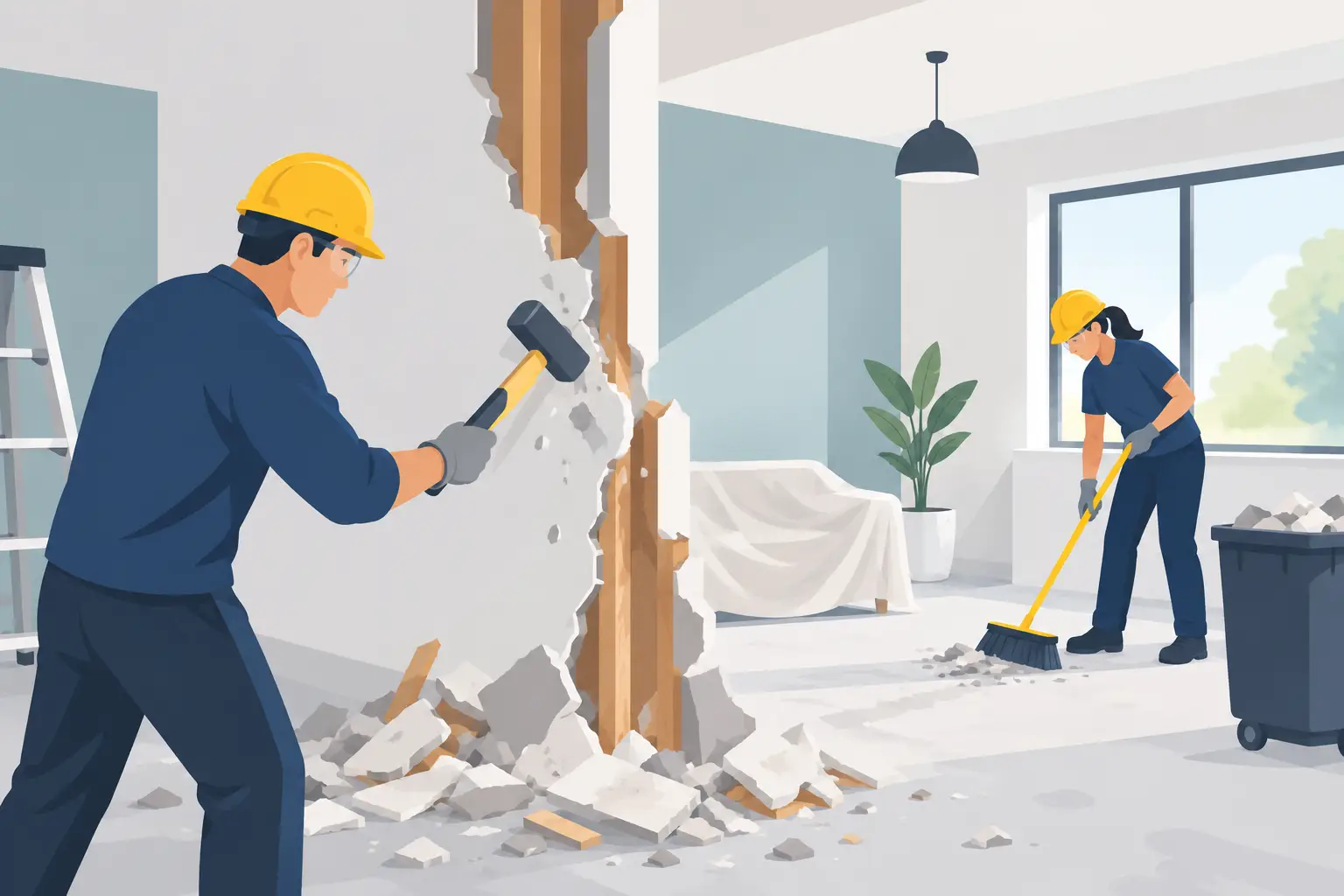
For renovation debris, keep materials in one defined area when you can. A pile of drywall, old cabinets, carpet, lumber, or bathroom fixtures is easier to assess and load when it is not mixed with tools and materials you still need for the project.
Group Items When It Helps, Not When It Creates More Work
There is no need to create perfectly organized piles. If everything is already in a basement, garage, backyard, or office, a professional crew can remove it from there. But grouping smaller loose items can make the scope easier to see and prevent them from being overlooked.
For example, bag loose household trash, place small electronics together, and keep scrap wood or yard debris in a contained area if it is safe to do so. If you are clearing an office, separate employee belongings and records from outdated chairs, desks, monitors, filing cabinets, and equipment slated for removal.
Do not spend hours disassembling a playset, trampoline, hot tub, shed, or old deck unless you have been specifically asked to do so. Some projects require light demolition or specialized handling, and the best approach depends on the item, its condition, and where it is located. Describe the project clearly when requesting service so the right crew, tools, and time can be scheduled.
Be Ready for the On-Site Estimate
Transparent pricing starts with a look at what needs to go. Junk removal pricing is commonly based on how much truck space your items occupy, along with the labor and project requirements involved. A few boxes and a recliner are very different from a whole-house cleanout, a construction debris pile, or a barn removal project.
To help the estimate stay accurate, show the crew everything you want removed before loading begins. Mention items in the attic, behind the building, in a crawlspace, or stored in a second location on the property. If you add items after the crew has started, the price may need to change because the truck space and labor needs have changed.
Ask questions if anything is unclear. You should understand what the estimate covers before you approve the work. A dependable service will explain the price plainly, without hidden fees or pressure. Once you approve, you can step back while the crew handles the physical work.
Set Aside Items That Need Special Attention
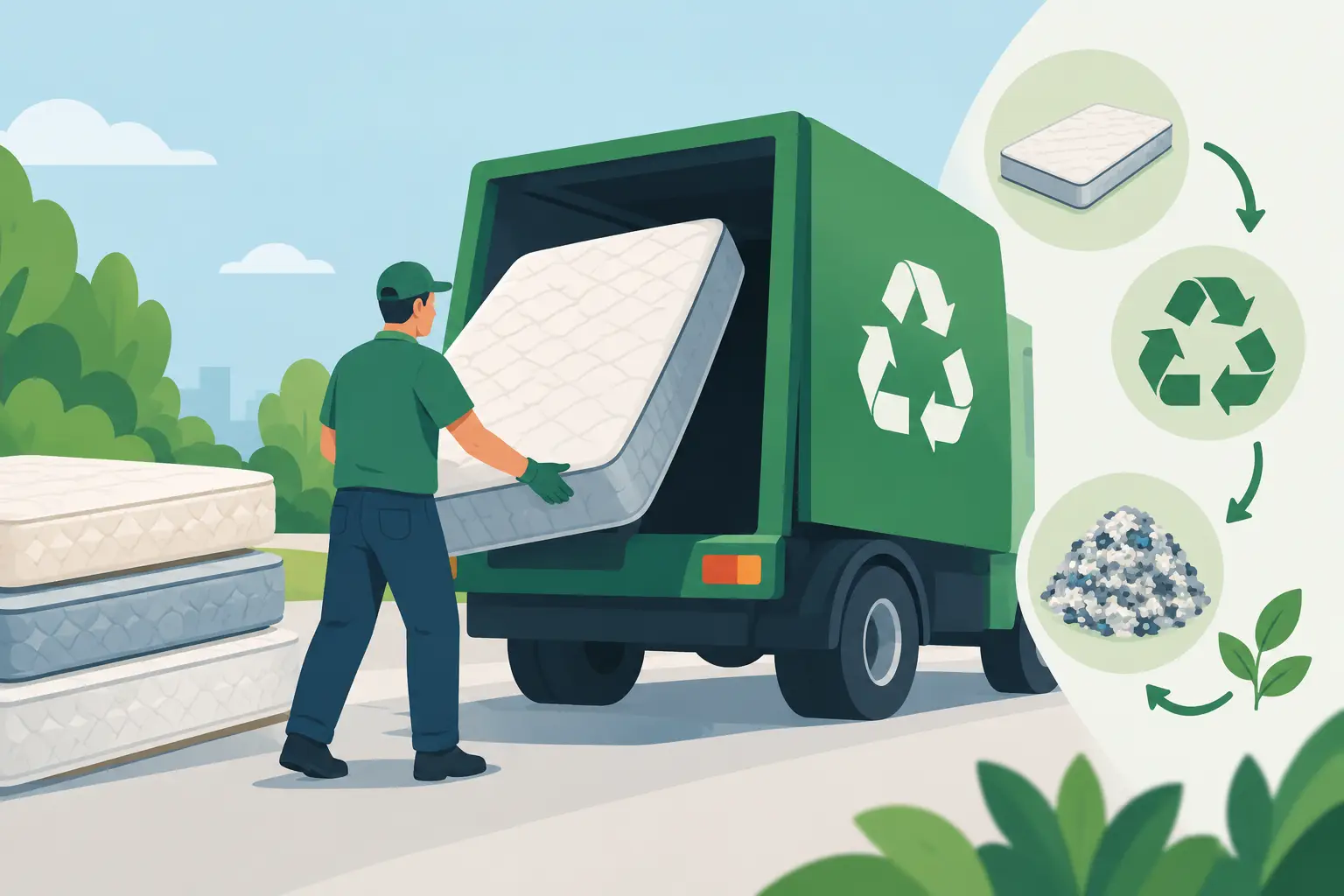
Many everyday items can be hauled away, including furniture, appliances, mattresses, televisions, computers, carpet, yard waste, and construction debris. Some materials need special handling, however, and certain hazardous items may not be accepted.
Tell the removal company ahead of time if you have paint, chemicals, propane tanks, fuel, batteries, medical sharps, asbestos-containing material, or anything that may be hazardous. Do not hide these items inside boxes or bags. Proper disposal rules vary by material and location, so early notice gives the team a chance to explain the safest option.
For appliances, empty them first. Remove food from refrigerators and freezers, drain water from appliances when appropriate, and take out personal items from old vehicles or equipment. For electronics, back up or erase personal data from computers, tablets, and phones before they leave your possession.
If donating usable furniture, clothing, or household goods matters to you, point those items out. Responsible removal means looking for opportunities to recycle and donate when practical, while ensuring the remaining materials are disposed of correctly.
Plan for an Empty Space, Not Just a Full Truck
Before the crew arrives, decide what you want the cleared area to become. That may be a garage where you can park again, a clean rental unit ready for turnover, an open office, or a basement that is safe to walk through. Having that goal in mind helps you avoid keeping items simply because they have been sitting there for years.
Take a few photos before removal if you are documenting an estate, renovation, insurance matter, or tenant turnover. After the job is finished, sweep up any small personal items you find and take a moment to inspect the space. You may notice a repair, painting project, or new storage plan that makes the clean slate easier to maintain.
For homeowners, landlords, contractors, and business owners across Maryland, Delaware, and Virginia, Insta Junk Removal makes the heavy part simple. Friendly uniformed professionals can assess the load, provide an upfront price, and do the lifting so you do not have to.
A successful junk removal appointment is not about doing more work before help arrives. It is about making a few clear choices, giving the crew safe access, and trusting capable hands with the load. Once the clutter is gone, protect that fresh space by using it for the life or work that needs room to happen.