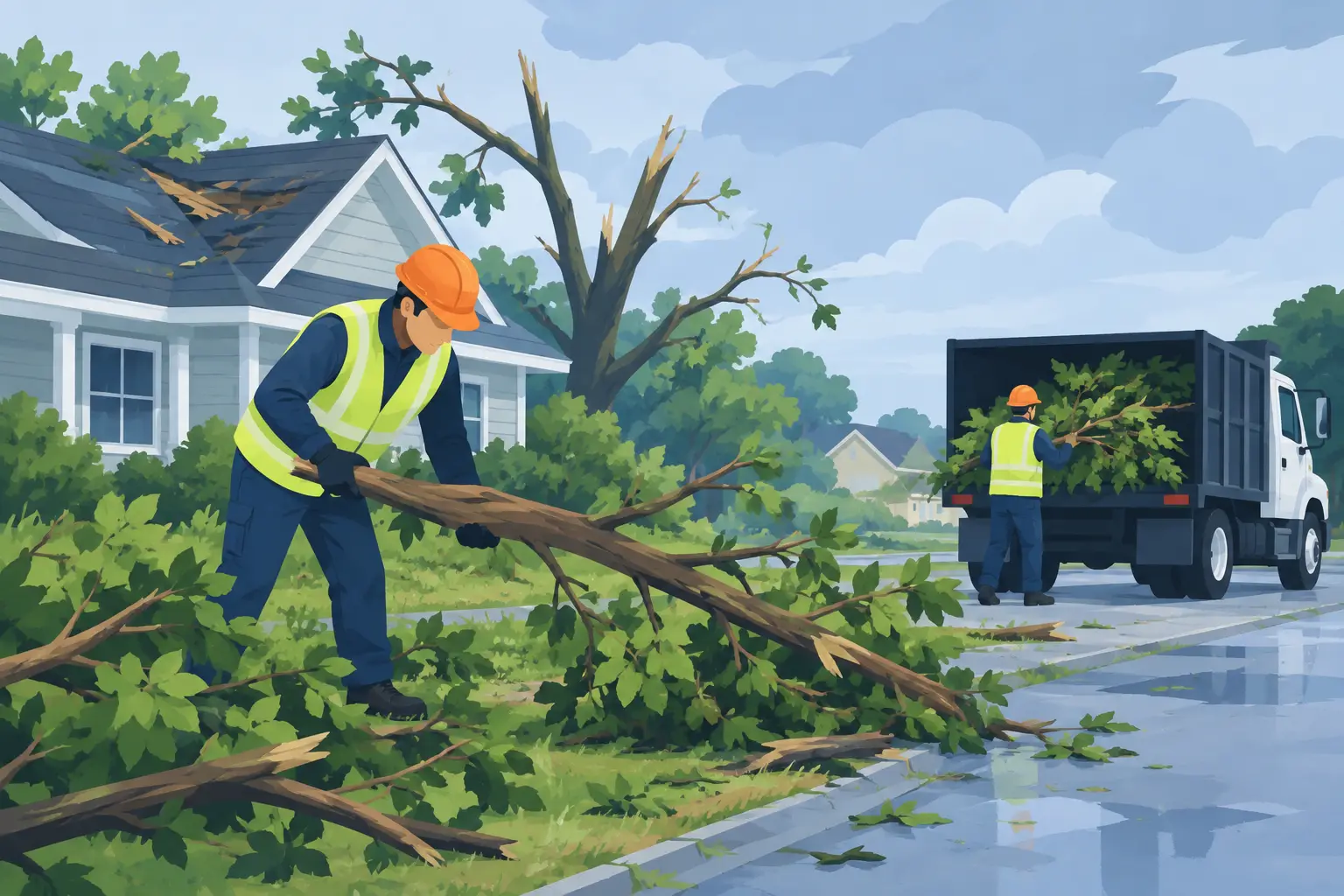
A storm can turn a tidy yard, rental property, job site, or business entrance into a heavy, hazardous mess overnight. Storm debris cleanup is not just about making the property look better. It is about removing obstacles safely, preventing further damage, and getting normal routines back on track without taking unnecessary risks.
On the Eastern Shore, high winds and heavy rain can leave downed limbs, soaked furniture, broken fencing, damaged sheds, scattered construction materials, and waterlogged belongings behind. The urge to clear everything immediately is understandable, but a little planning helps protect you, your property, and the people helping with the work.
Storm Debris Cleanup Starts With Safety, Not Speed
Before picking up a branch or dragging a damaged item to the curb, take a slow walk around the property. Look for immediate hazards from a safe distance. A large limb may be under tension, a fence panel may have exposed nails, and a soaked ceiling or wall could be unstable. What looks like a simple cleanup pile can hide a real injury risk.
Keep clear of downed or low-hanging power lines, even if they appear inactive. Contact the utility provider or emergency services rather than attempting to move anything near electrical equipment. Likewise, do not handle damaged gas lines, propane tanks, or containers that are leaking fuel or chemicals.
Use extra caution around these common storm hazards:
- Trees or limbs resting on roofs, vehicles, fences, or utility lines
- Floodwater that may contain sewage, sharp debris, or unknown chemicals
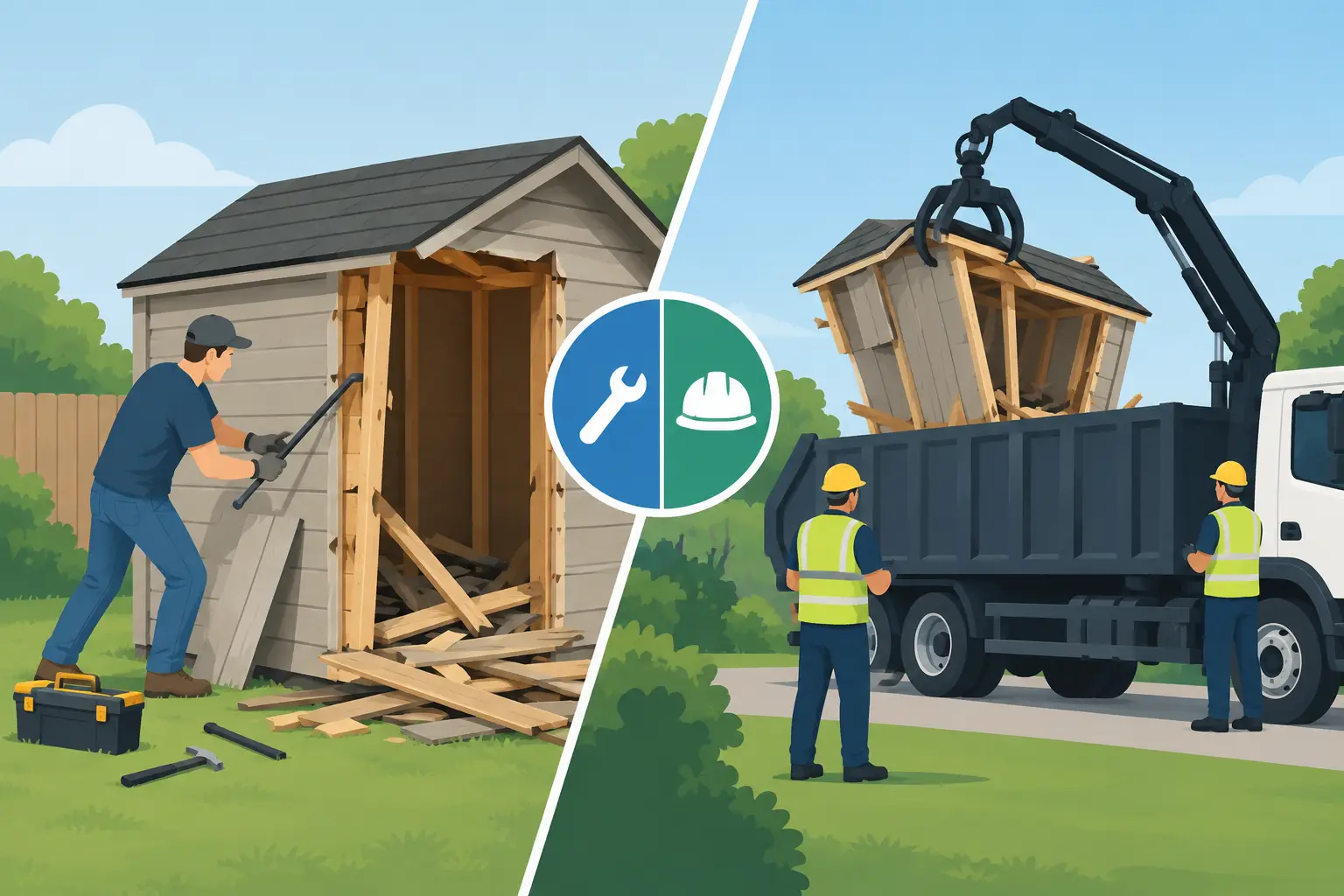
- Damaged sheds, decks, barns, and outbuildings with loose roofing or weakened walls
- Wet appliances, electronics, and extension cords that may create electrical hazards
- Broken glass, nails, twisted metal, and splintered lumber hidden in leaves or mud
If a tree has landed on a structure, take photos for insurance documentation before work begins, provided it is safe to do so. Avoid climbing on roofs or using chainsaws unless you have the proper training and protective equipment. A cleanup job is never worth a fall, cut, or electrical injury.
Separate What Can Be Saved From What Must Go
Once urgent hazards have been addressed, start with a basic sorting plan. This makes storm debris cleanup faster and helps prevent usable materials from being buried under trash. Set aside belongings that can be dried, cleaned, repaired, or documented for an insurance claim. If possible, take photos of damaged furniture, appliances, flooring, and personal property before disposal.
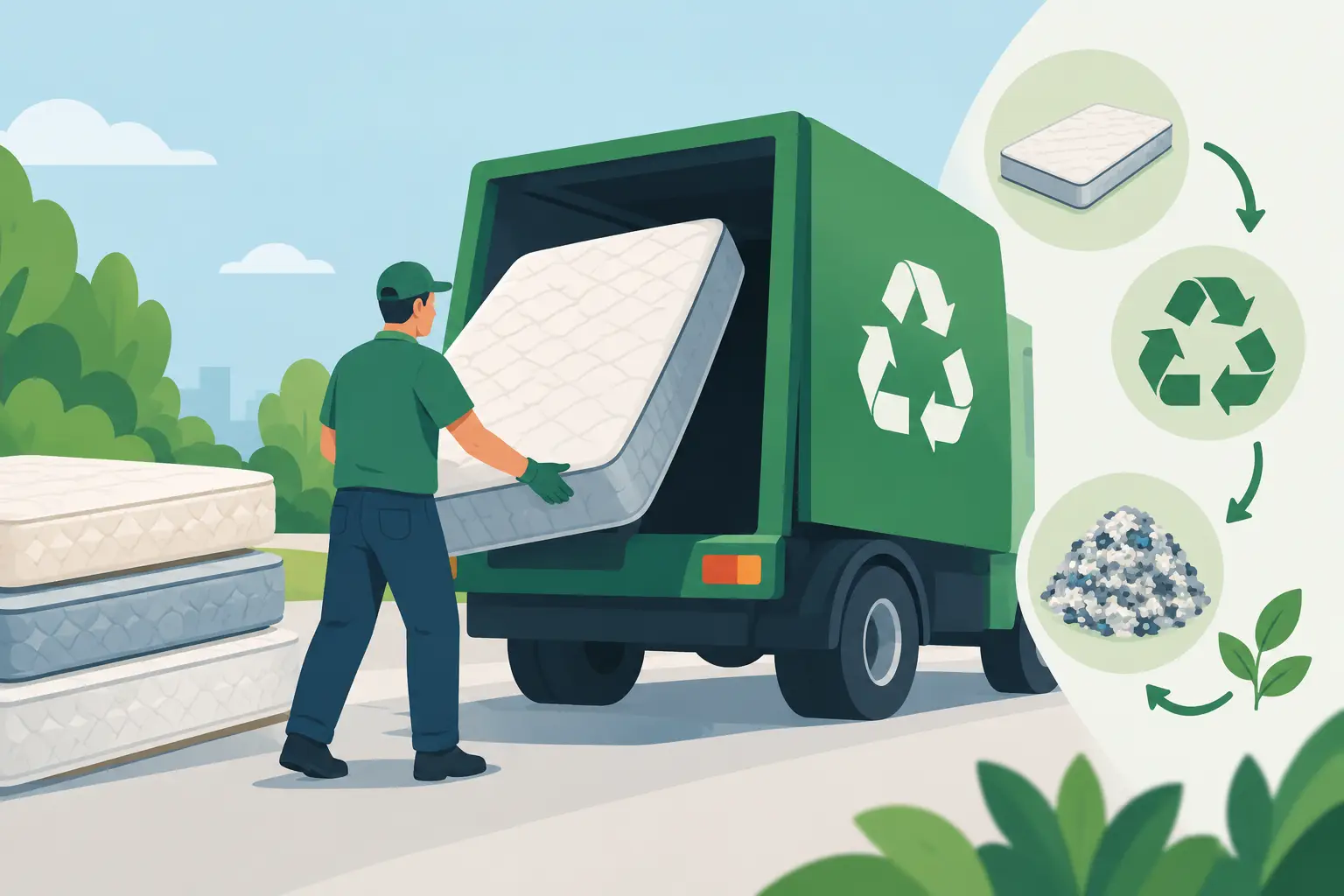
Yard debris is usually the most visible part of the job, but it is rarely the only part. A storm may leave branches and leaves across the lawn while also damaging patio furniture, grills, playsets, storage racks, carpet, drywall, insulation, or items stored in a garage or basement. Waterlogged materials become much heavier than they look, especially mattresses, couches, particleboard furniture, and carpeting.
Create separate areas for natural debris, bulky items, construction materials, and hazardous or restricted materials. This approach keeps the work area clearer and makes disposal more responsible. It also prevents your truck bed, driveway, or curb from becoming an unmanageable mixed pile.
Some materials need special handling. Paint, fuel, chemicals, batteries, propane cylinders, and certain electronics should not be tossed in with regular storm waste. If the storm caused flooding, treat anything that came into contact with contaminated water carefully. Porous items such as mattresses, upholstered furniture, insulation, and carpet padding may not be safe to keep, even if they appear dry later.
Know When a Cleanup Is Too Big for the Curb
A few small branches and a damaged patio chair may be manageable on your own. But cleanup becomes more complicated when piles are large, heavy, wet, or mixed with demolition debris. Municipal pickup rules can also limit what is accepted, how items must be bundled, and how much can be placed at the curb at one time.
Dragging debris to the curb is not always the easiest answer. It can block sidewalks, create visibility issues near driveways, or leave sharp materials where children, pets, and neighbors can encounter them. In rental communities and commercial properties, a growing debris pile can also create safety concerns and make an otherwise well-managed property look neglected.
Professional hauling is often the practical choice when you are dealing with multiple truckloads, bulky damaged items, or a tight timeline. It can be especially helpful for landlords preparing a unit for a new tenant, real-estate professionals getting a property ready for showings, or business owners who need an entrance and parking area cleared promptly.
At Insta Junk Removal, a uniformed crew can handle the lifting, loading, hauling, and sorting of eligible storm-related debris so you do not have to rent equipment or recruit a crew of friends. Pricing is based on the space your items take up in the truck, with an upfront estimate before removal begins. That gives property owners a clear path forward when a storm cleanup is more than a weekend task.
Protect Your Property During the Removal Process
Cleanup should make the property safer, not cause new damage along the way. Use plywood or boards to create a path across soft ground if heavy items must be moved after significant rain. Avoid driving heavy vehicles over saturated lawns, septic areas, or drainage fields. Ruts and compacted soil can create another repair project after the debris is gone.
When moving branches, cut or break them down only if it is safe to do so. Keep piles away from hydrants, utility boxes, drains, and access points needed by repair crews. Do not stack debris against the house, garage, or fence, where moisture can become trapped and pests may gather.
For indoor storm damage, remove wet materials as soon as conditions are safe. Open windows only if rain has stopped and the structure is secure, then use fans and dehumidifiers to reduce moisture. Drying the area quickly can limit odors and mold growth, but do not remove walls, flooring, or structural components if you suspect major water damage or instability. In that situation, document the condition and speak with your insurance provider or a qualified restoration professional first.
A Simple Plan for Faster Storm Recovery
The most efficient cleanup order is usually straightforward: address safety hazards first, document damage, protect the structure from additional exposure, sort materials, and then remove debris. This keeps you from hauling away something needed for a claim or spending hours moving items twice.
For larger properties, work zone by zone. Start with walkways, entry doors, driveways, and parking areas so people can move safely. Then clear debris from areas that could worsen property damage, such as blocked drains, leaning fence sections, or piles holding water against the building. Save cosmetic work, including small sticks and leaf cleanup, for later.
If you hire a hauling crew, point out anything that needs to remain, any fragile areas around the property, and materials that may require separate handling. A clear walkthrough at the start helps the crew work efficiently and lets you stay in control of what leaves the property. You should not have to lift a finger, but you should always know what is being removed and what the cost will be.
When the last damaged item is gone, take a moment to look for the smaller problems the debris may have hidden: a loose gutter, a broken gate latch, a blocked drain, or a section of fence that needs bracing. Clearing the mess creates the space to see what the property needs next, and that is where recovery really begins.