A storage unit can turn into a costly holding place for a move you never finished, an estate you did not have time to sort, or furniture that no longer fits your life. When the move-out date is close and the unit is packed wall to wall, a storage unit cleanout service takes the hard part off your plate. You point out what needs to go, and a trained crew handles the lifting, loading, hauling, and responsible disposal.
For homeowners, renters, landlords, estate representatives, and property managers, that can mean avoiding another month of rent, a strained back, and multiple trips to the dump. It also means getting a clear path forward when a storage unit has become one more item on an already long to-do list.
When a Storage Unit Cleanout Service Makes Sense
Some storage units need a few boxes moved. Others hold years of furniture, old appliances, broken equipment, business supplies, construction leftovers, or inherited belongings. The right approach depends on the size of the unit, the condition of the contents, and how quickly it must be emptied.
Professional removal is especially helpful when you are facing a lease deadline, preparing an estate for settlement, clearing a unit after a tenant leaves, or handling a long-distance move. It is also a practical choice when heavy items are involved. A sofa, mattress, refrigerator, filing cabinet, exercise machine, or large dresser is difficult to move safely without the right people and equipment.
A full-service crew saves more than labor. It removes the planning burden. You do not have to borrow a truck, recruit friends, find a disposal site for each type of material, or make repeated loading trips. That convenience matters when the unit is across town, the weather is poor, or you are coordinating the work from another state.
What Happens During a Storage Unit Cleanout
A dependable cleanout should feel organized from the first call through the final sweep of the unit. The crew begins by looking at what is inside and confirming the work to be done. This on-site assessment makes it possible to provide straightforward pricing based on the truck space your items occupy, rather than giving a vague estimate that changes later.
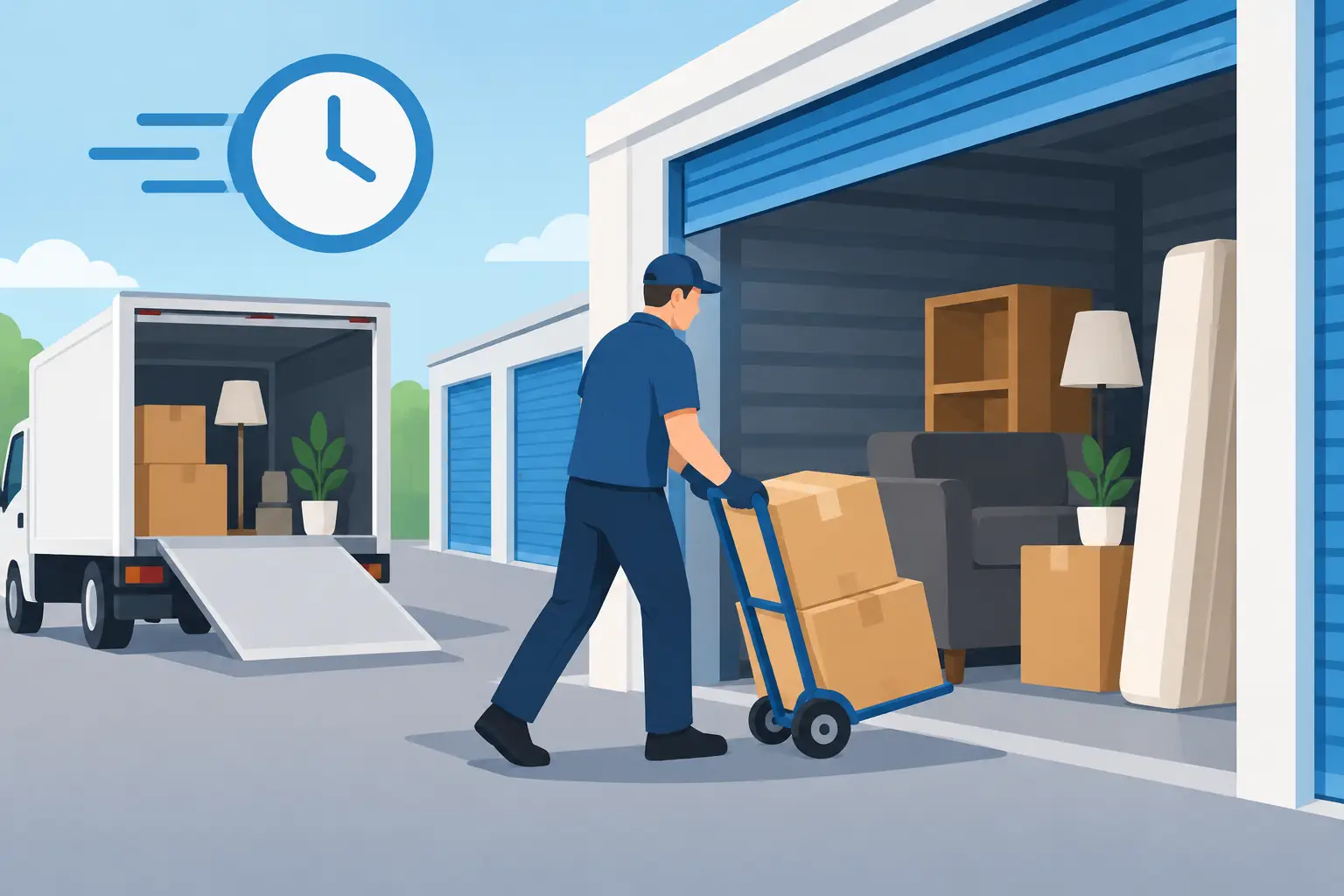
Once you approve the price, the removal team gets to work. They carry items from the unit, load the truck, and sort materials for the most responsible next step. Usable items may be directed toward donation when appropriate. Recyclable materials are separated when possible, while the remaining items are disposed of properly.
Before leaving, the crew should check the unit carefully for loose debris and overlooked belongings. A clean, empty space helps you complete your move-out inspection with confidence. If the storage facility requires a swept unit or an empty lock, you can handle those final details without staring at a pile of unwanted contents.
Keep, donate, recycle, or remove?
The most stressful part of a cleanout is often deciding what deserves a second look. Start by separating anything personal or sensitive before the crew arrives. Set aside documents, photographs, family keepsakes, medications, legal papers, jewelry, and small electronics that may contain personal data.
If you are clearing an estate or a unit that has not been opened in years, give yourself enough time for this step. Once the removal begins, decisions move quickly. Mark items you plan to keep, and place them near the front of the unit or in a separate area if possible. Everything else can be reviewed with the crew.
There is a trade-off here. Sorting every box can reduce what needs to be hauled away, but it can also delay an urgent cleanout. If your priority is ending the storage bill this week, it may make more sense to save only clearly valuable, useful, or sentimental items and let the removal team take care of the rest.
Items Commonly Removed From Storage Units
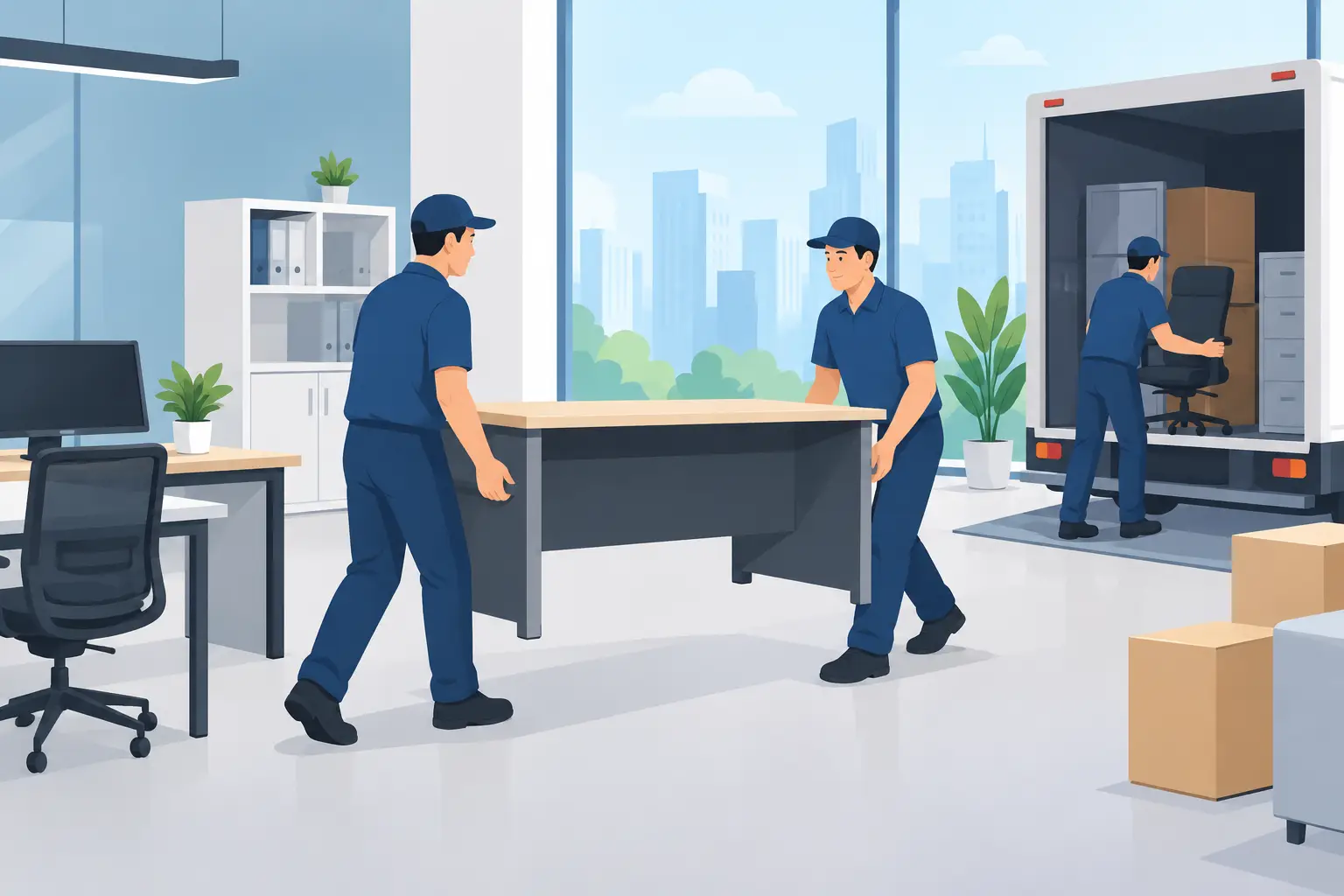
Storage units collect a wide mix of household and commercial materials. Full-service junk removal can handle old furniture, mattresses, box springs, appliances, televisions, computer equipment, shelving, tools, bicycles, rugs, and bagged clutter. It is also useful for office cleanouts involving desks, chairs, filing cabinets, monitors, printers, and outdated inventory.
Contractors and landlords may need a unit cleared of drywall scraps, lumber, flooring, fixtures, cabinets, or renovation debris. Families managing a loved one’s belongings may be dealing with bedroom sets, kitchenware, books, clothing, and boxes that have not been opened since a move or care transition.
A few items may require special arrangements, and storage facilities may have their own rules. Hazardous chemicals, propane tanks, fuels, certain paints, and other regulated materials should be disclosed before scheduling. Being clear about the contents helps the crew arrive prepared and prevents surprises on cleanout day.
How to Prepare Without Doing All the Work
You do not need to empty the unit before calling for help. That defeats the purpose of a labor-inclusive service. A little preparation, however, makes the visit faster and gives you more control over the outcome.
Make sure the storage company knows a removal crew will be coming and confirm gate codes, access hours, elevator rules, and any certificate-of-insurance requirements. If you will not be there in person, ask whether the facility allows an authorized representative to meet the crew or provide access.
Take a quick walk through the unit and remove the personal records or valuables you intend to keep. Then make an open path if you can safely do so. The crew can handle tightly packed spaces, but clear access to the door and large items can speed up loading. There is no need to disassemble furniture, rent a dolly, or drag heavy items outside.
For a large unit, photographs can help when requesting an estimate. Pictures give the removal company a better sense of volume, item types, and access conditions. The final price should still be confirmed on site, where the crew can see exactly what needs to be removed.
Pricing Should Be Clear Before Loading Starts
Storage cleanouts are not one-size-fits-all. A few bags and a chair require a different amount of truck space and labor than a packed 10-by-20 unit filled with furniture and boxes. Honest pricing reflects the volume of items, the labor required, and any special handling needs.
Ask for a free upfront estimate and make sure you understand what is included. A full-service price should cover the crew, lifting, loading, hauling, and disposal. Watch for vague quotes that leave room for unexpected fuel charges, labor fees, or disposal add-ons after the truck is loaded.
At Insta Junk Removal, the crew provides an on-site quote before work begins, so you can decide with the full cost in front of you. If the price works for you, the team can often begin right away. That is particularly useful when you need same-day help to avoid another storage payment or meet a property deadline.
Choosing a Crew You Can Trust With the Job
The best cleanout company does more than show up with a truck. Look for a punctual, uniformed crew that communicates clearly, treats the facility with respect, and does not expect you to do the heavy lifting. They should be comfortable working with everything from a small closet-sized unit to a packed commercial space.
Responsible disposal is worth asking about, too. Not every item belongs in a landfill. A company that makes an effort to donate usable goods and recycle suitable materials gives your unwanted belongings a more thoughtful final destination. It may not be possible to recycle every item, but the effort should be part of the process.
A storage unit should not keep charging you for decisions you made months or years ago. Set aside what matters, get a clear estimate, and let a professional crew clear the rest so you can hand back the unit and move on with a clean, clutter-free space.