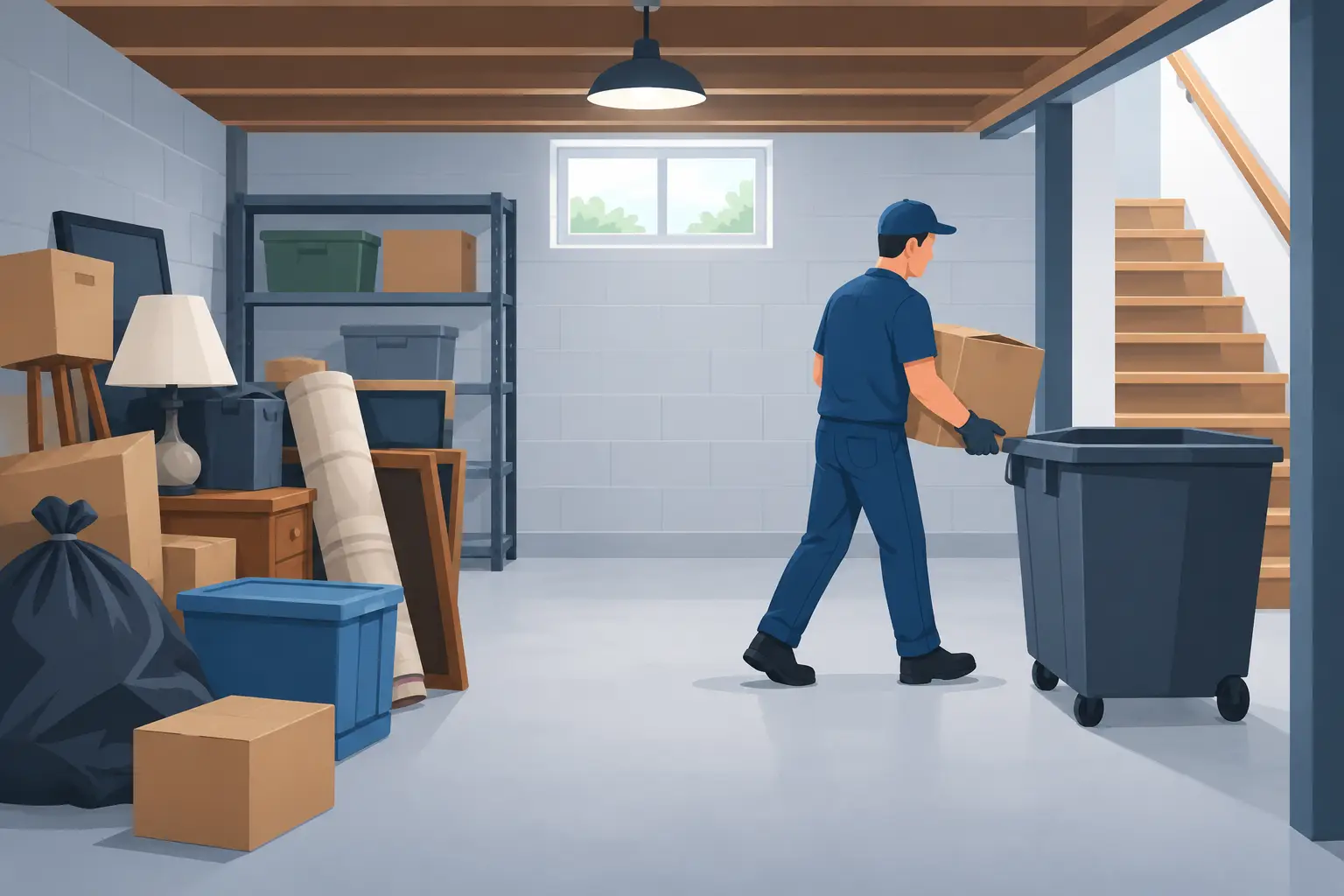
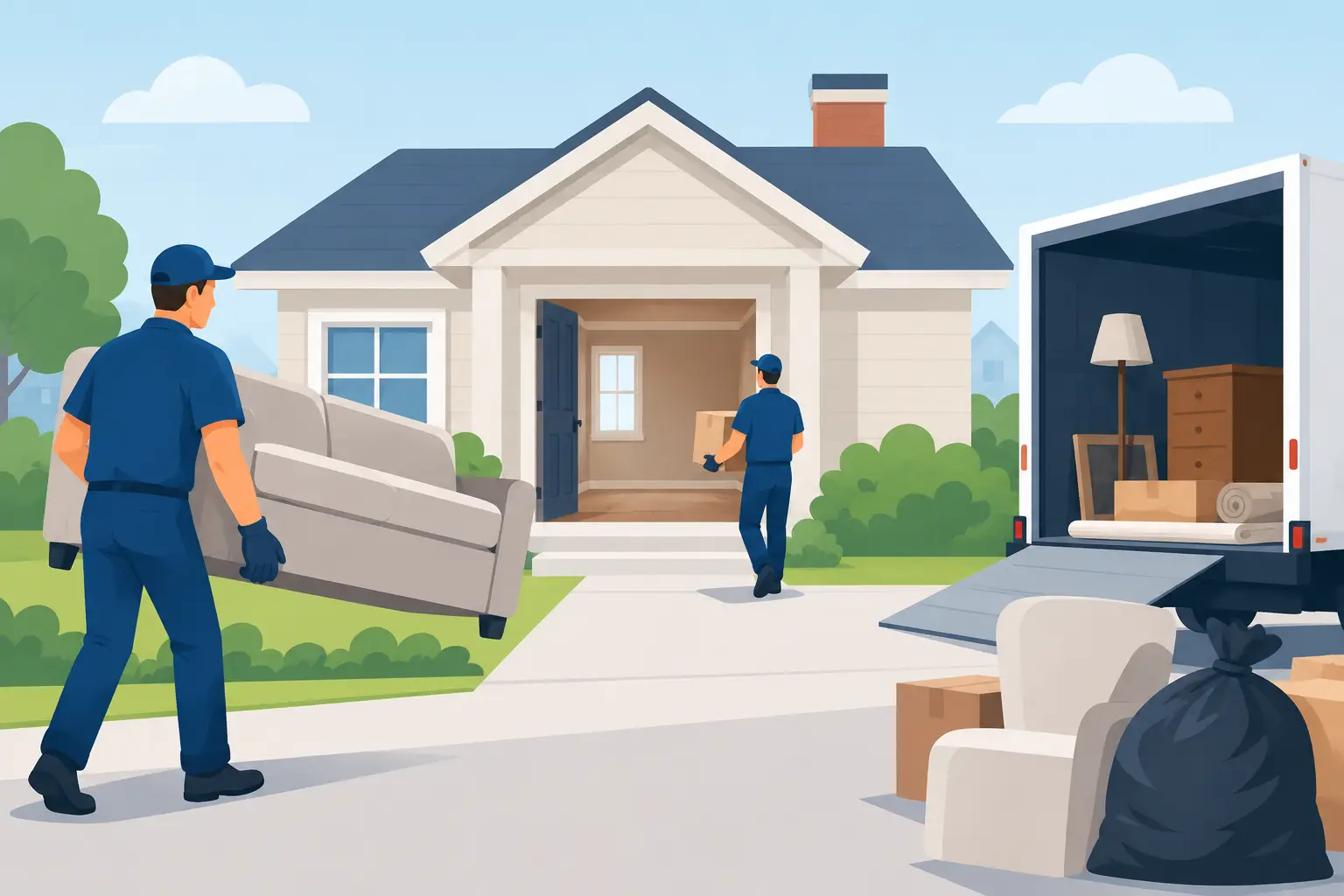
A vacant foreclosure can look manageable from the curb, then reveal a garage full of furniture, a refrigerator left behind, bags in every closet, and a shed packed with years of tools and debris. Foreclosure cleanout services turn that difficult handoff into a controlled, ready-for-work property. Instead of coordinating labor, trucks, disposal sites, and tight deadlines, you get a cleared space that can move on to inspection, repairs, cleaning, or listing.
For banks, asset managers, landlords, real-estate professionals, and investors, the goal is rarely just to remove junk. The goal is to protect the property, document its condition, avoid delays, and get the next phase of work underway. A dependable cleanout crew helps make that happen without adding another complicated job to your day.
Why foreclosure cleanouts need a different approach
A standard junk pickup is often straightforward: remove a sofa, an old mattress, or a few appliances. A foreclosure can be much less predictable. Contents may be spread through the house, basement, attic, yard, garage, outbuildings, or crawlspace. There may be damaged furniture, personal belongings, spoiled food, electronics, paint, construction debris, or heavy items that cannot be safely moved by one person.
Time also matters. A property sitting full of abandoned items is harder to assess and market. Contractors may not be able to begin repairs until rooms are clear. Appraisers, inspectors, photographers, and prospective buyers need safe access. The longer debris remains, the more likely it is to create odors, pest concerns, trip hazards, or a poor first impression.
A full-service crew takes ownership of the physical work. They arrive with the labor, equipment, and hauling capacity to remove items from wherever they are located. You do not need to supply a dumpster, recruit a maintenance team, or spend a weekend carrying broken furniture down a stairwell.
What a complete foreclosure cleanout can include
Every property is different, which is why a visual assessment matters before a final price is confirmed. A cleanout may involve a few rooms of remaining household items, or it may require clearing an entire home and exterior space.
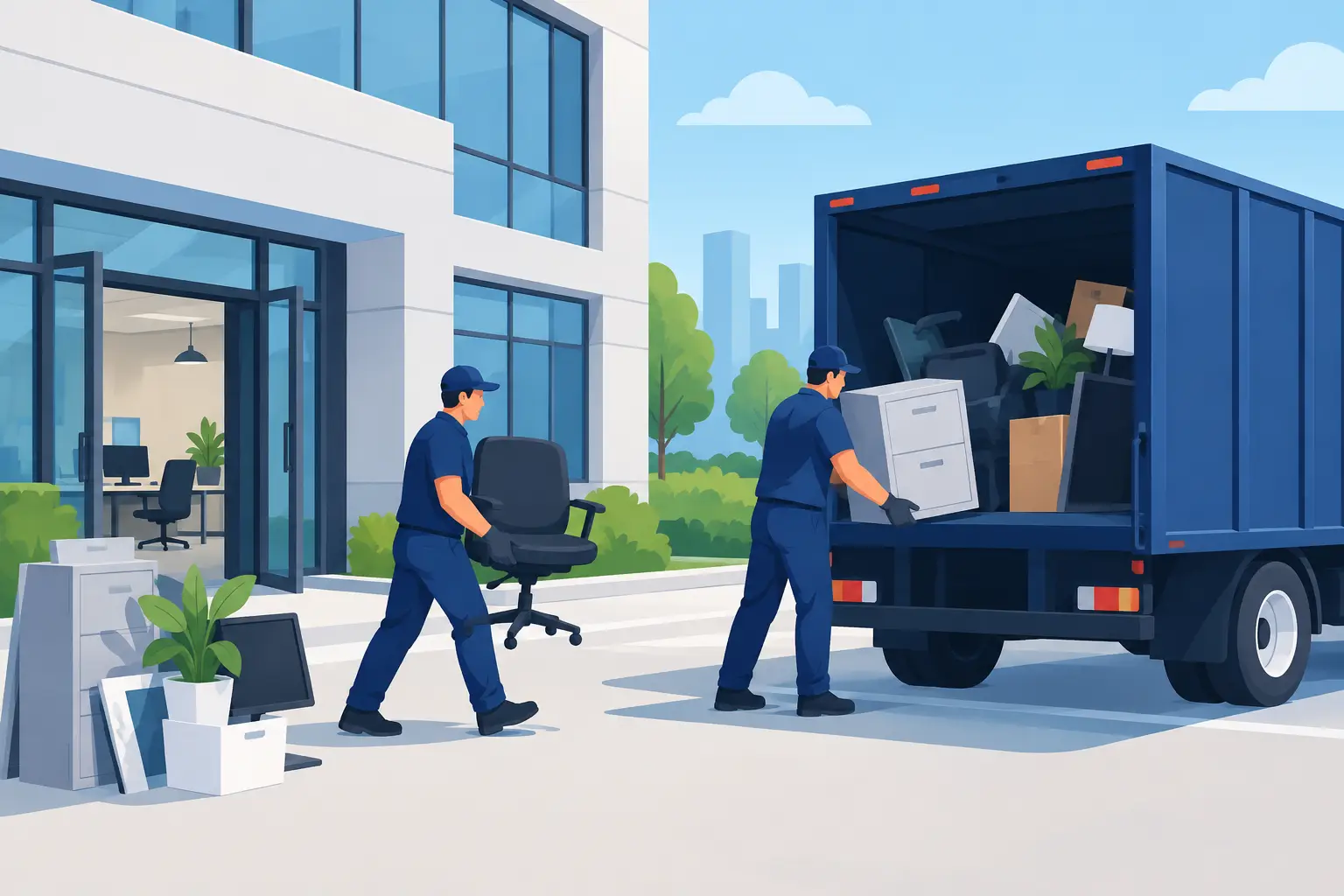
Common items include couches, beds, dressers, tables, rugs, clothing, boxed household goods, and kitchen contents. Crews can also remove refrigerators, washers, dryers, stoves, televisions, computers, filing cabinets, and other bulky appliances or electronics. In garages and sheds, the work may include shelving, lawn equipment, scrap material, tires, tools, broken playsets, and general accumulation.
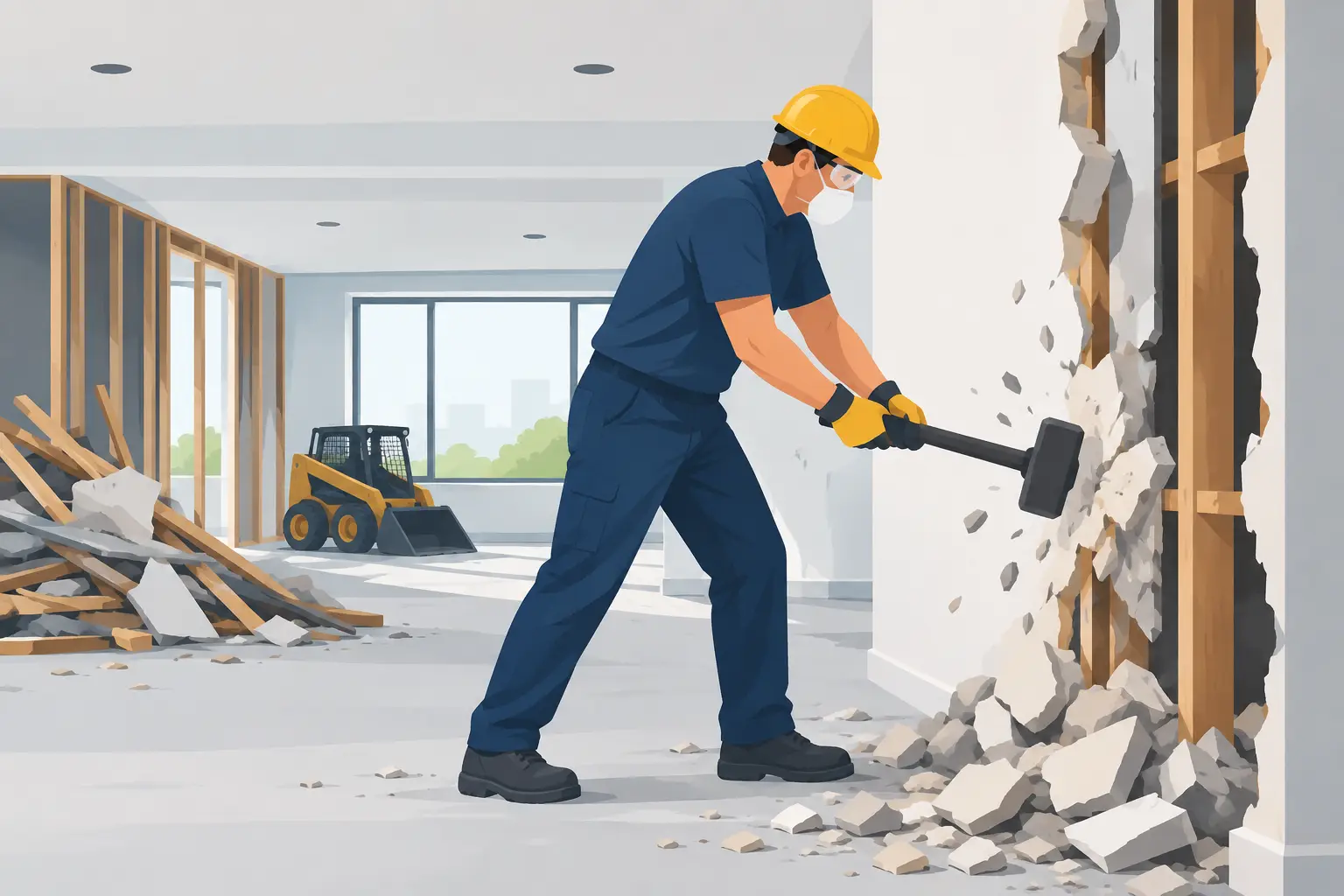
Foreclosure properties sometimes include materials left behind after unfinished work. Drywall, lumber, old cabinets, carpet, flooring, fixtures, and renovation debris can be hauled away so a contractor has a cleaner starting point. If the property needs targeted removal beyond hauling, such as old cabinets, interior walls, a damaged deck, or a small shed, light demolition may be the practical next step.
Not every item should be treated the same way. Usable furniture, household goods, and materials may be appropriate for donation or recycling when local options and item condition allow. Damaged, contaminated, or unusable items need proper disposal. Responsible sorting takes more effort than simply loading everything into a truck, but it can keep reusable material out of the waste stream and makes sense for the community.
The cleanout process should be clear from the start
A foreclosure timeline leaves little room for vague arrival windows or surprise charges. The best process is simple: assess the job, provide a clear quote, remove the contents, and leave the site swept up and ready for its next use.
1. Walk through the property and identify the scope
Before removal begins, walk the property with the crew when possible. Point out areas that need attention, including locked storage spaces, attics, basements, sheds, and exterior piles. Let the team know whether any items are designated to stay, such as appliances being sold with the house, fixtures, documents, or materials needed for repairs.
This is also the time to identify access issues. Narrow stairways, soft ground, a long driveway, missing utilities, broken steps, and limited parking can affect the work plan. A professional crew can plan around those conditions, but knowing about them early avoids wasted time on cleanout day.
2. Confirm pricing before the crew starts
Transparent pricing is especially valuable when you are managing multiple properties or reporting costs to a client. Many cleanout companies price based on the amount of truck space the contents occupy, with labor, loading, hauling, and disposal included. That gives you a practical number before the work begins rather than a collection of separate labor and dump fees afterward.
The final cost depends on volume, item weight, access, specialty disposal requirements, and whether demolition is involved. A few bags and small items will not cost the same as a packed house with heavy appliances and construction debris. What matters is that the scope and price are explained plainly before removal starts.
3. Remove contents carefully and efficiently
Speed should not mean careless work. Crews should protect door frames, floors, walls, and driveways while moving large items out of the property. They should also keep pathways organized, especially when the home contains broken glass, loose debris, or unstable furniture.
For property managers and agents, communication is part of the service. You need to know when the crew has arrived, whether the scope changed, and when the work is complete. Clear updates are particularly helpful when you are coordinating from another city or preparing several vendors to enter the property after the cleanout.
4. Leave a workable, clutter-free space
A cleanout is complete when the abandoned contents are gone and the crew has swept up the loose debris created by removal. This is not the same as deep cleaning, mold remediation, or repair work, but it gives your cleaners, contractors, inspectors, and listing team room to do their jobs.
Take photos after the work is finished. Post-cleanout photos help document the property condition, confirm completion for owners or asset managers, and make it easier to schedule the next service without an extra site visit.
Avoid the mistakes that slow down turnover
The most common delay is waiting too long to schedule the cleanout. It is tempting to handle a few items first or wait until every decision is made, but a full property often takes more coordination than expected. If a listing date, inspection, contractor start date, or occupancy deadline is approaching, schedule removal as early as possible.
Another problem is assuming all remaining property is trash. Personal documents, photographs, legal paperwork, medication, weapons, and valuables need special attention. Establish who has authority to identify retained items and provide clear instructions before the crew arrives. If the property is part of an estate, eviction, or lender-controlled process, follow the applicable notice and retention requirements before disposing of personal belongings.
Finally, do not underestimate exterior areas. A house can be empty inside while the backyard still contains a collapsed trampoline, old fencing, yard waste, and a shed full of debris. Buyers notice the exterior first, and contractors need clear access around the home. Include these areas in the original walkthrough so the quote reflects the real scope.
When same-day service makes sense
Same-day availability can be a major advantage when a property suddenly becomes accessible, an inspection finds a problem, or a contractor cannot begin until debris is removed. It is also useful when a listing appointment is already on the calendar and the property needs immediate attention.
That said, scheduled service can be the better choice for larger or more complicated jobs. A packed home, a property with access restrictions, or a cleanout that includes light demolition benefits from time to confirm authorization, identify what stays, and coordinate the next trades. The right choice depends on urgency and scope, not just speed.
For foreclosure properties across Maryland, Delaware, and Virginia, Insta Junk Removal provides the labor-intensive part of turnover with upfront estimates, full-service hauling, and respectful crews who do the lifting and loading. A clear property is not the finish line, but it is the moment the next plan can finally move forward.