A broken desk in the hallway, outdated filing cabinets in a storage room, and a pile of renovation debris behind the building can become more than an eyesore. They take up usable space, create safety concerns, and make it harder for your team or tenants to get work done. Commercial junk hauling gives businesses a practical way to clear it out without asking employees to lift heavy items, rent a dumpster, or spend a weekend sorting debris.
For business owners, property managers, contractors, and real-estate professionals, the right removal plan is not simply about making junk disappear. It is about keeping the property accessible, protecting the space, and getting the job handled on a schedule that makes sense for the business.
When commercial junk removal makes sense
Commercial cleanouts come up in more situations than a major office move. A retail space may need old displays, shelving, and damaged inventory removed before a new tenant moves in. A landlord may be clearing furniture, mattresses, appliances, and abandoned belongings after a turnover. A contractor may need drywall, lumber, cabinets, flooring, or demolition debris hauled away before the next phase of a project begins.
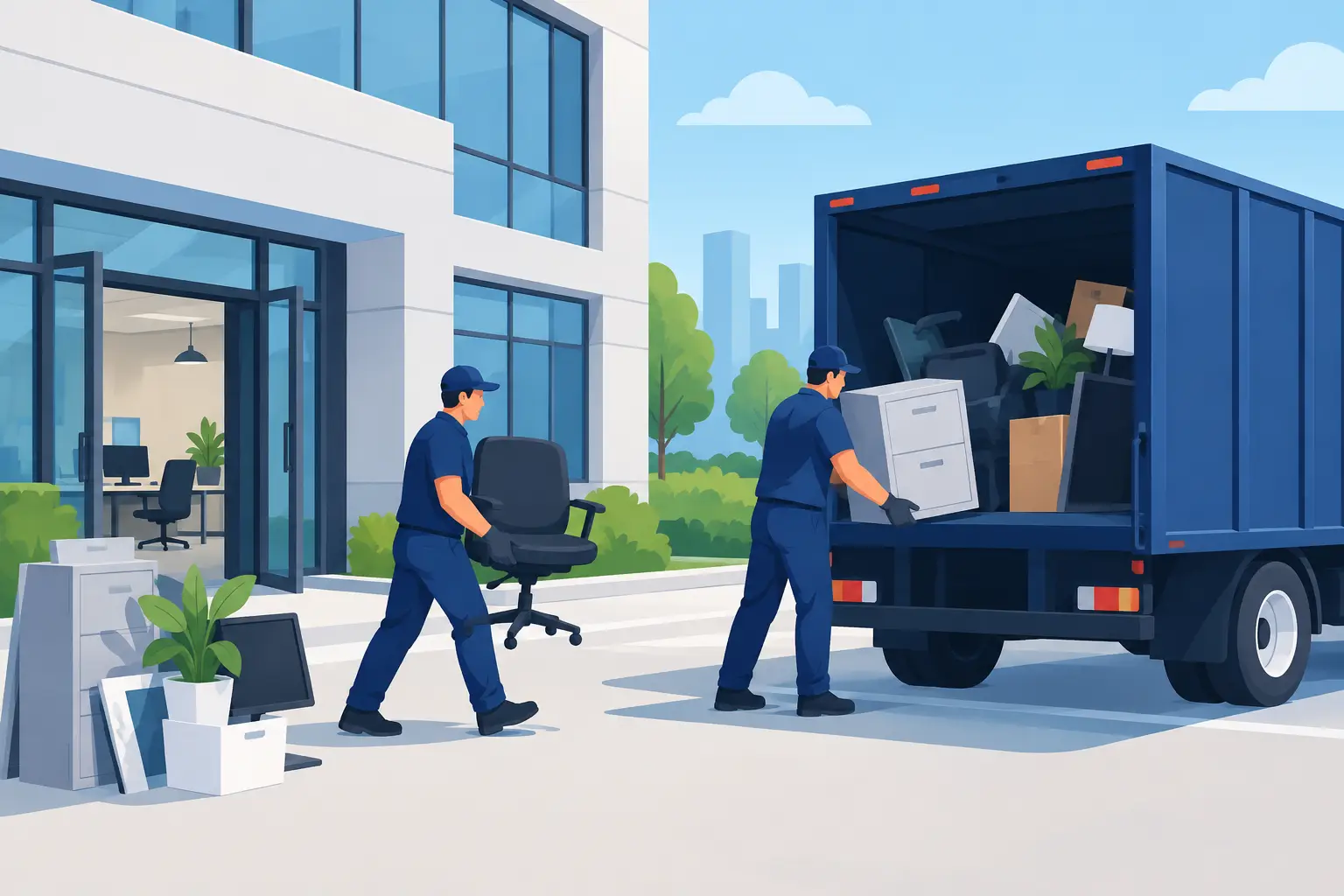
Office cleanouts are another common need. Desks, conference tables, cubicles, office chairs, printers, monitors, and filing cabinets do not fit neatly into regular trash service. They are awkward to move, and electronics may require different handling than general debris. A full-service crew can remove the contents from wherever they are located, whether that is a second-floor suite, a warehouse back room, or a building with limited loading access.
Commercial hauling is also useful after an unexpected event. Water-damaged furnishings, storm debris, broken equipment, and materials left behind by a previous occupant can delay reopening or turnover. In those cases, same-day availability can make a real difference, especially when a property needs to be shown, inspected, rented, or put back into service quickly.
What a full-service crew should handle
A commercial removal company should take ownership of the physical work from start to finish. That means the crew arrives, looks at the items, provides a clear estimate, removes the materials, loads the truck, and leaves the area swept up and ready for its next use. Your employees should not have to drag heavy desks to the curb or break down furniture to make pickup easier.
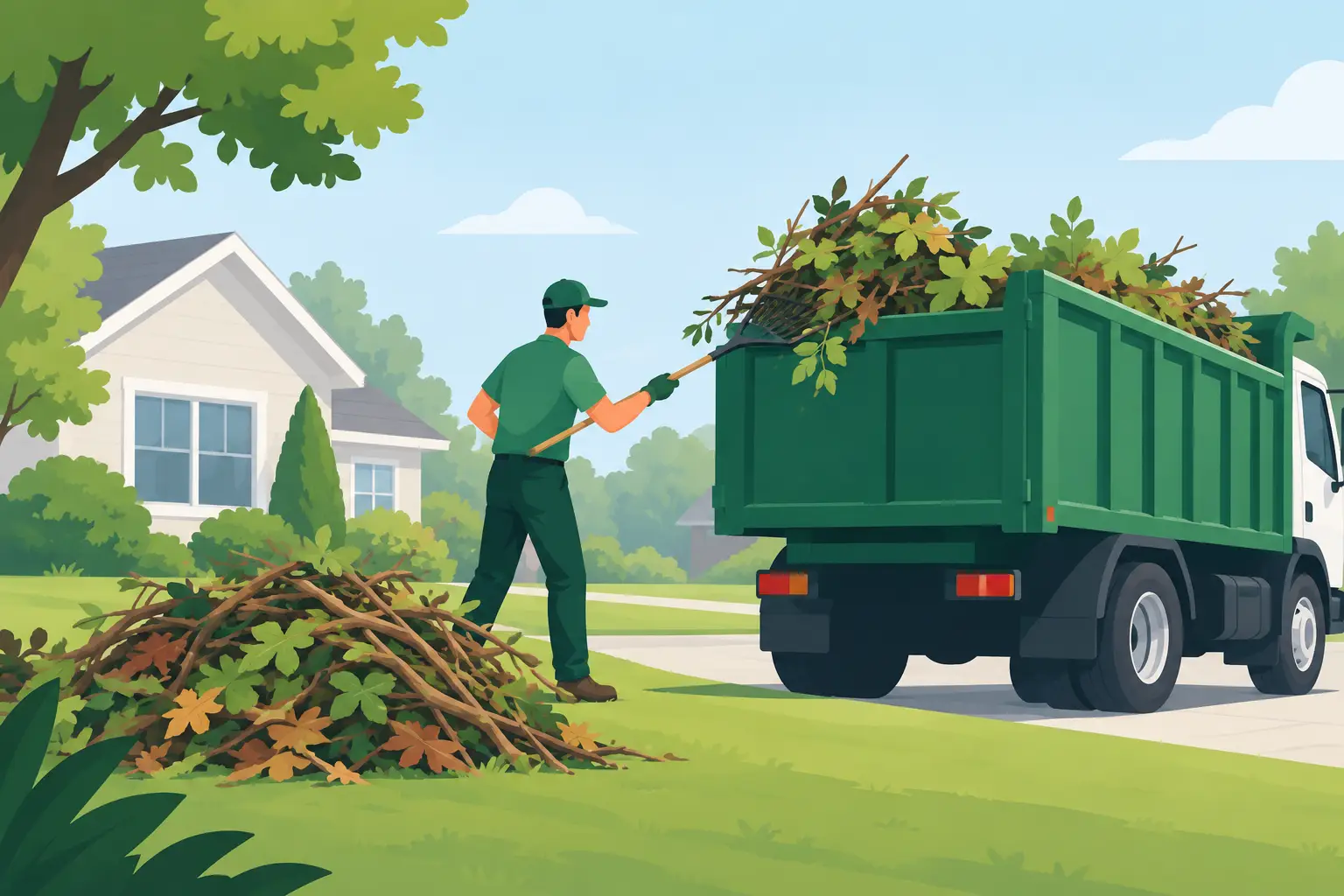
The range of accepted items matters. Many commercial projects involve a mix of materials rather than one tidy pile. A typical load may include office furniture, computer equipment, cardboard, fixtures, appliances, construction debris, carpet, shelving, and general clutter. Properties with outdoor storage areas may also need fencing, pallets, yard waste, old signage, or discarded equipment removed.
There are limits worth discussing before scheduling. Hazardous materials, chemicals, paint, fuel, and certain regulated waste streams may need a specialized disposal provider. A dependable hauling company will be straightforward about what it can remove and what requires another arrangement. Clear communication upfront prevents delays on pickup day.
Office furniture and electronics
Replacing office furniture is often less complicated than getting rid of the old pieces. Large desks, cubicles, metal filing cabinets, copier machines, and conference tables can be difficult to maneuver through doorways and elevators. Professional crews bring the labor and equipment needed to remove these items carefully while protecting walls, floors, and common areas.
Electronics deserve special attention. Monitors, computers, printers, and other devices should not automatically be treated like ordinary trash. Ask how electronic items are sorted and where appropriate recycling options are used. If devices contain sensitive business information, make sure your company has completed its own data wiping or hard-drive removal process before they leave the property.
Rental, estate, and foreclosure cleanouts
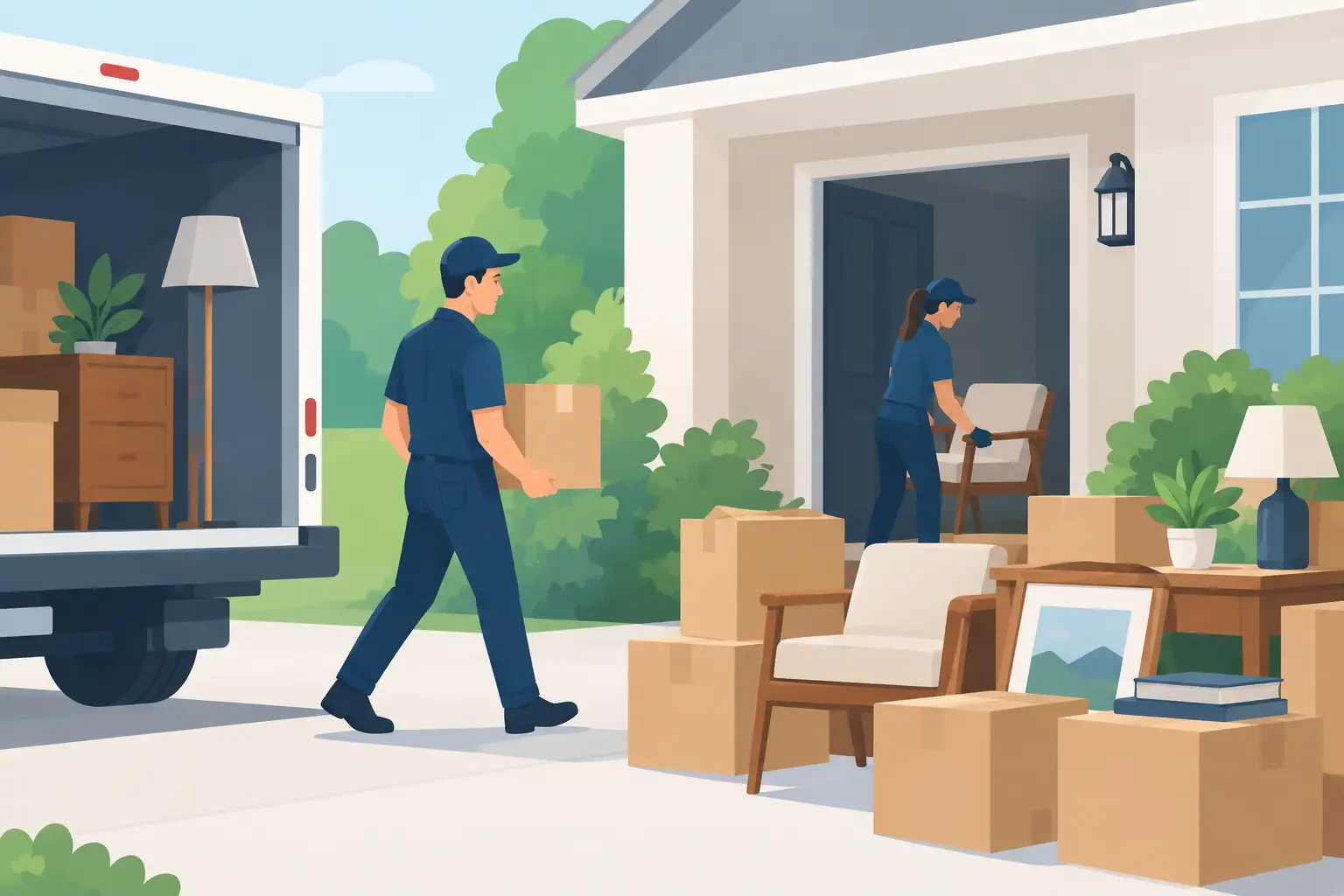
Property turnover rarely happens on a convenient timeline. A tenant may leave behind couches, mattresses, clothing, kitchen contents, and trash throughout a unit. An estate property may contain years of household belongings, appliances, garage contents, and outdoor clutter. Foreclosure and vacant-property managers may be dealing with a combination of all of the above.
The priority is usually speed without careless handling. A crew that works room by room, confirms what stays and what goes, and can remove heavy items from basements, attics, sheds, and upper floors helps keep the process controlled. For property managers, that can mean less downtime between occupants and fewer calls to coordinate separate labor, trucks, and disposal locations.
Construction and renovation debris
Renovation debris can pile up quickly, even on a modest project. Old cabinets, bathroom fixtures, drywall, flooring, lumber, insulation, carpet, and demolished walls take up space that crews need to work safely. Scheduled hauling keeps the site cleaner without requiring a long-term dumpster for every job.
A dumpster can still be the better choice for a large, ongoing project with a steady volume of debris. But for smaller demolition jobs, punch-list cleanup, tenant improvements, or projects with tight access, a labor-inclusive pickup can be more efficient. The crew loads the material, and the truck leaves when the job is complete.
How commercial junk hauling pricing usually works
Commercial customers want a clear number, not a vague promise followed by a surprise invoice. At Insta Junk Removal, pricing is based on the amount of truck space your items occupy, with labor, loading, hauling, and disposal included in the estimate. That approach works well when a job includes mixed materials and the total volume is easier to assess in person.
An on-site estimate also accounts for practical details that affect the work: how far items must be carried, whether there are stairs or elevators, whether materials are loose or bagged, and whether removal requires careful disassembly. The best time to raise those details is when requesting service, not after the truck arrives.
Before approving the job, ask whether the quoted price includes labor, disposal fees, and cleanup. You should know what you are paying before removal begins. Transparent pricing gives managers and owners a cleaner way to approve expenses and avoid unexpected charges.
A simple plan for a low-disruption pickup
The removal itself can be quick, but a little preparation helps keep your business running smoothly. First, identify what is staying. Mark furniture, equipment, or materials that should not be removed, especially in shared storage rooms or active job sites.
Next, choose a pickup window that fits the property. Early mornings, slower business hours, turnover days, and times between contractor phases are often ideal. If removal will affect parking, loading docks, hallways, or customer access, let staff and tenants know in advance.
Then, make access as easy as possible. Reserve a nearby parking space when you can, provide gate or building-entry instructions, and alert the crew to elevators, stairs, loading restrictions, or security procedures. These details help the job move faster and reduce interruptions.
Finally, keep decision-makers available by phone. Questions can come up when crews encounter an unmarked item, a locked room, or material that was not visible during the initial walkthrough. A quick answer prevents the project from stalling.
Responsible disposal is part of the job
Commercial cleanup should not end with a truck pulling away. Furniture, metal, cardboard, electronics, and usable items may have a better destination than a landfill when local options are available. Responsible sorting takes more effort, but it reflects well on businesses that care about their properties and their communities.
Recycling and donation are not possible for every item. Damaged, contaminated, or worn-out materials may need to be disposed of. Still, asking a hauling provider about its approach to sorting shows that the removal plan goes beyond the fastest possible dump run.
For businesses across Maryland, Delaware, and Virginia, working with a local crew can also simplify logistics. A team familiar with the area can plan around property access, seasonal traffic, and the different needs of offices, rental communities, retail spaces, and construction sites.
A cluttered property can make a manageable job feel larger than it is. Set aside the items, choose a pickup time, and let a trained crew handle the lifting. The result is not just an empty room or cleaner job site. It is space your business can use again.