
A house full of inherited belongings can make even a simple decision feel heavy. You may be trying to prepare a family home for sale, empty an apartment after a care transition, or simply create space to think. Learning how to clear inherited belongings starts with giving yourself a workable plan, not forcing yourself to make every decision in one difficult weekend.
The goal is not to keep everything or get rid of everything. It is to protect what matters, handle valuable items carefully, and move the remaining contents out of the property in a respectful, responsible way.
Start Before You Start Sorting
Before filling donation boxes or moving furniture, make sure the estate is ready to be cleared. If you are working with siblings, other heirs, an estate attorney, or an executor, agree on who has authority to make decisions. This can prevent a well-intended cleanout from creating family conflict later.
Walk through the property with a phone or notebook and document each room. Take photos of furniture, collections, artwork, tools, appliances, and anything that may have value. Look in practical places, too: desk drawers, file cabinets, closets, safe deposit records, old books, coat pockets, and storage bins can hold important paperwork, keys, family photos, cash, or jewelry.
Set aside documents related to the home, insurance, bank accounts, taxes, vehicles, military service, and funeral arrangements. If there is any uncertainty about an item, place it in a review area rather than making a fast decision. A few extra days of sorting is easier than trying to recover something after it has been donated or hauled away.
How to Clear Inherited Belongings One Room at a Time
Trying to assess an entire home at once is where many estate cleanouts stall. Choose one manageable space, such as a guest room, pantry, or hall closet, and finish it before moving on. Seeing one clean, usable room gives you momentum without making the job feel endless.
Create clear categories as you work: keep, share with family, sell, donate, recycle, shred, and remove. Put each category in a designated area or label boxes clearly. Avoid making a large pile in every room. That often turns sorting into a second layer of clutter.
Save the memory, not always the item
A loved one’s belongings can carry a strong emotional pull, especially items tied to childhood, holidays, hobbies, or family traditions. You do not have to prove love by keeping a whole room of possessions.
If several items bring back the same memory, choose the one that best represents it. Take photos of furniture, collections, or handwritten recipes before letting them go. A small keepsake box, photo album, or framed piece can be more meaningful and easier to enjoy than storing dozens of items in a garage or basement.
This is also a good time to ask family members what they truly want. Give people a clear deadline and share photos when distance makes an in-person visit difficult. Be specific about pickup expectations. An item is not claimed until someone has arranged to take it.
Separate valuables from everyday contents
Not every old item is valuable, but some deserve a closer look before you donate or remove them. Jewelry, coins, antiques, vintage toys, art, firearms, collectible tools, designer furniture, and certain records may be worth having reviewed by an appropriate professional.
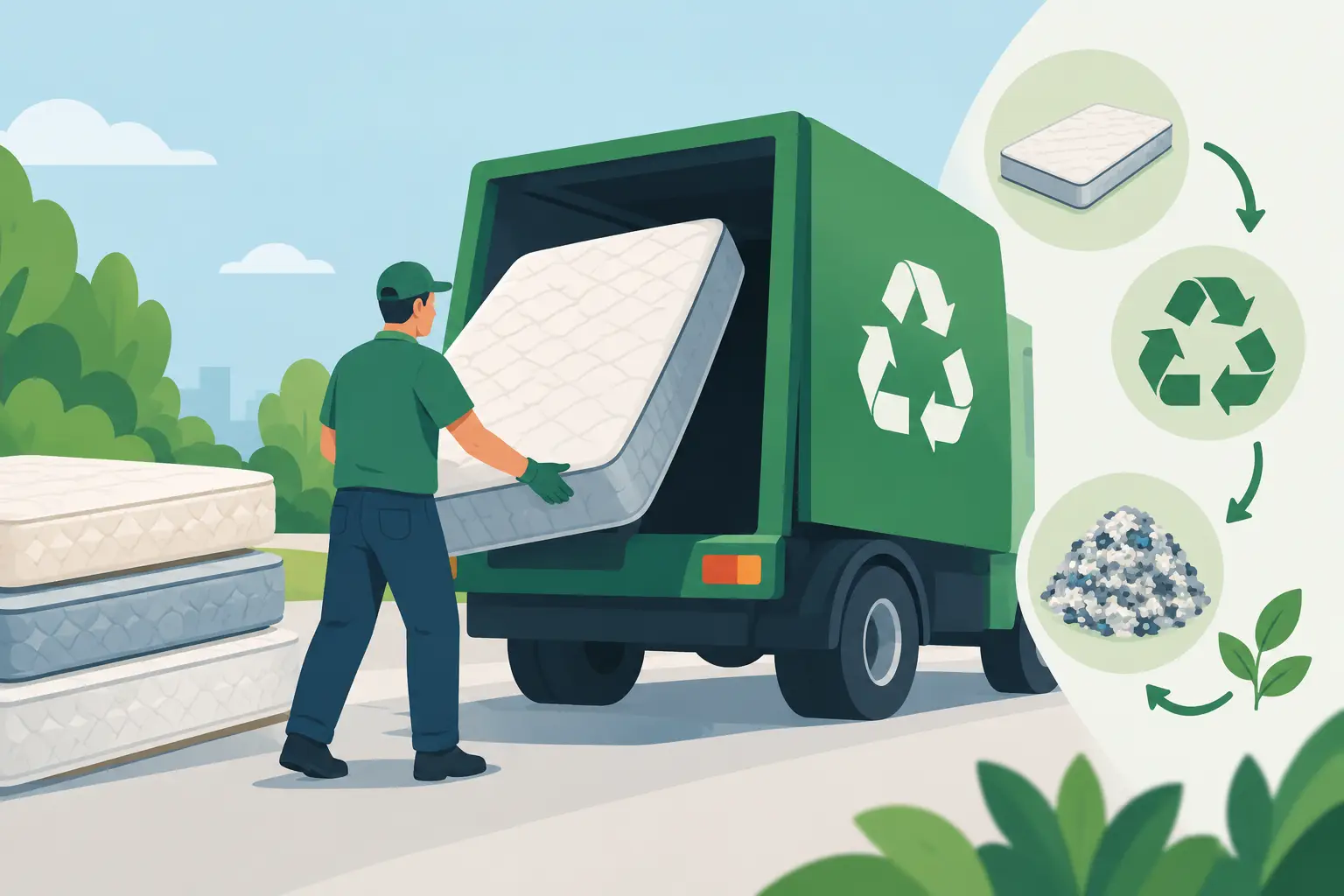
At the same time, do not assume every older item will sell quickly. Large china cabinets, bulky entertainment centers, used mattresses, worn upholstered furniture, and everyday dish sets can be difficult to sell, even when they are in decent condition. Selling takes time, photos, communication, pickup coordination, and sometimes storage. If preparing the property for a sale or rental is the priority, donating usable pieces and removing the rest may be the better trade-off.
Handle Paper, Electronics, and Sensitive Items Carefully
Estate cleanouts often uncover more paper than expected. Shred documents containing Social Security numbers, account details, medical information, or other personal records. Keep tax documents and estate records as advised by the executor or legal professional involved.
Electronics should not simply be placed at the curb. Old computers, tablets, phones, printers, televisions, and monitors may contain personal information or require special disposal. Remove data when possible and keep hard drives aside if you are unsure. Refrigerators, freezers, air conditioners, paint, chemicals, propane tanks, and other specialty materials may also need separate handling.
A professional removal team can identify what can be donated, recycled, or disposed of through the right channels. That saves you from making repeated trips with heavy items or leaving a property with piles that still need attention.
Decide What Deserves Donation
Donation is a meaningful option for clean, usable items that another household can put to work. Furniture in good condition, working appliances, kitchenware, tools, books, clothing, and household goods may be suitable, depending on the organization and its current needs.
Condition matters. Donation centers generally cannot use furniture with strong odors, stains, tears, pest damage, missing parts, or major structural problems. The same is true for broken appliances and outdated electronics. Setting realistic expectations keeps the donation process helpful instead of creating an extra burden for local charities.
When time allows, separate clearly usable items from items that have reached the end of their life. Responsible junk removal does not mean every item gets donated. It means reusable materials are considered first, recyclables are handled appropriately when possible, and disposal is done properly for what remains.
Make a Plan for Large and Heavy Items
The physical work is often the hardest part of clearing an inherited property. Solid wood furniture, sleeper sofas, appliances, old exercise equipment, filing cabinets, rugs, mattresses, basement contents, and shed debris can require more labor and equipment than a family expects.
Do not risk an injury trying to move a heavy dresser down narrow stairs or lift an old refrigerator into a pickup truck. Homes can also be damaged during rushed removal, particularly around door frames, hardwood floors, railings, and tight hallways.
For full-property cleanouts in Salisbury and across Maryland, Delaware, and Virginia, Insta Junk Removal can handle the lifting, loading, hauling, and disposal. A uniformed crew can assess the items on site, provide upfront pricing based on the truck space used, and remove contents from wherever they are located. You do not need to drag furniture to the curb or rent a dumpster just to clear an estate.
Work Around the Property Timeline
The right pace depends on what happens next. If the home will be listed for sale soon, start with the rooms that buyers will notice first: entryways, living areas, kitchens, bedrooms, garages, and outdoor spaces. Clearing these areas can help the property feel larger, cleaner, and easier to photograph.
If the property needs repairs or renovation, remove loose contents before contractors arrive. Old cabinets, carpet, damaged furniture, appliances, and construction debris can make a work site harder to manage. In some cases, clearing a shed, deck area, barn, or garage first gives contractors better access and keeps the project moving.
For a rental property, focus on a complete turnover. Leaving a few boxes for later often delays cleaning, repairs, and the next tenant. A planned cleanout allows you to return the property to a safe, presentable condition without carrying the work into the following month.
Give Yourself Permission to Finish
Inherited belongings can keep a family in limbo when every item feels like a decision that cannot be undone. Set a final date for sorting, family pickup, donations, and removal. A deadline does not make the process cold or careless. It gives the work a clear endpoint.
Before the final haul-away, do one slow walkthrough of every room, closet, cabinet, attic, garage, and outdoor structure. Check for personal keepsakes, documents, medication, keys, and anything that was placed in a review pile. Then let the cleared space become what it needs to be next: a home ready for sale, a rental ready for new tenants, or simply a quiet closing chapter handled with care.