What Items Cannot Be Hauled? Know Before Booking
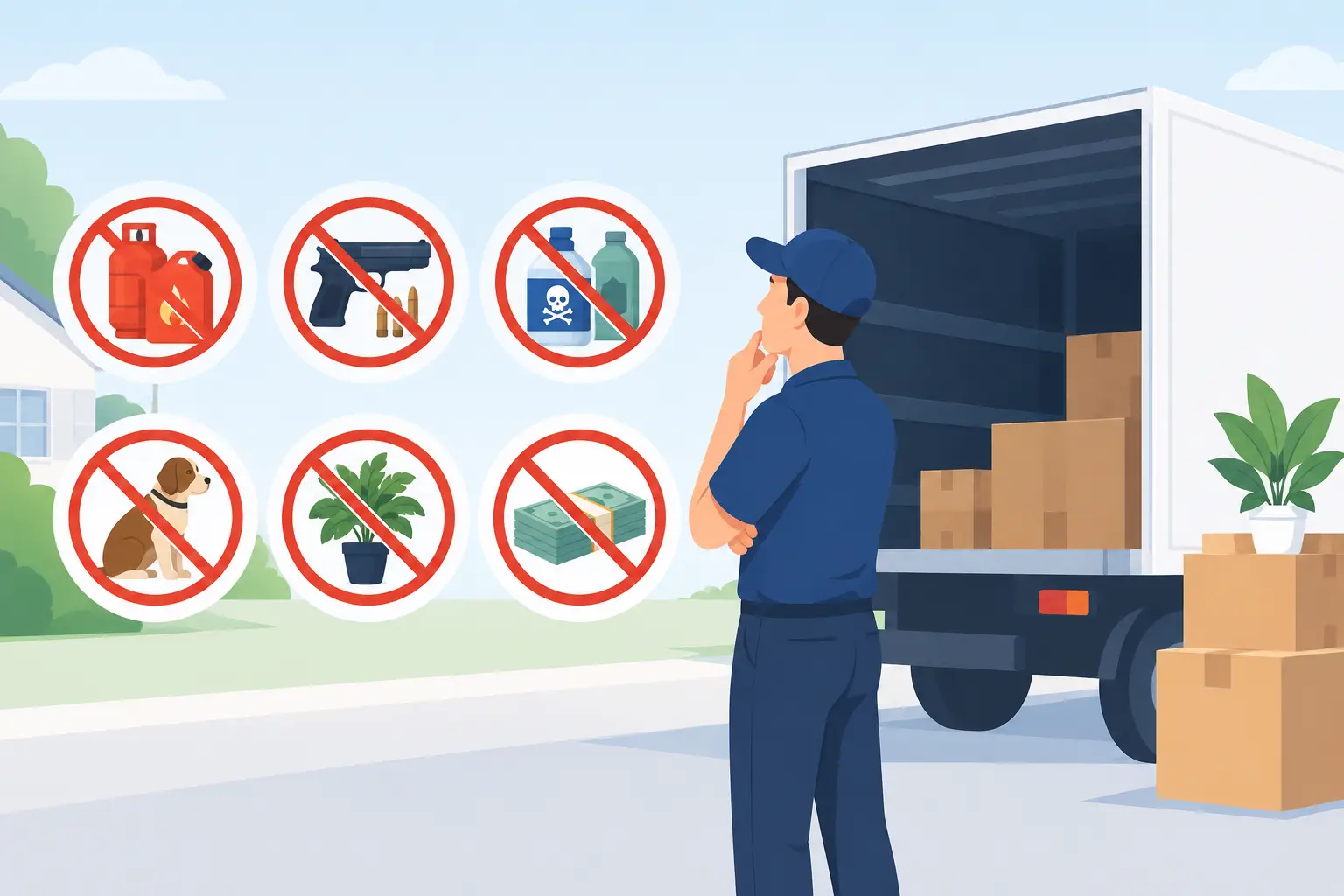
A garage cleanout can go from “finally getting this done” to “now what do I do with that?” in a hurry. Knowing what items cannot be hauled before your pickup helps prevent delays, protects the crew, and keeps hazardous materials out of the wrong waste stream. Most household junk, furniture, appliances, debris, and unwanted equipment can be removed with no problem. A small group of items needs a different disposal route.
The reason is not that these materials are inconvenient. Many contain chemicals, pressurized gas, flammable liquids, or components that can harm people, damage hauling equipment, start fires, or contaminate soil and water. A dependable junk removal crew will be clear about those limits and help you understand what to separate before the appointment.
Why some items cannot be hauled with regular junk
Junk removal trucks carry mixed loads. A single leaking container of fuel, a damaged lithium battery, or an unmarked chemical bottle can create a safety issue for everyone nearby. Disposal facilities also have strict rules about what they accept. If prohibited materials are mixed into a load, the entire load may be rejected or require special handling.
That is why responsible removal companies draw a line between ordinary unwanted items and hazardous waste. It is part of careful, environmentally responsible service, not a surprise add-on. When you describe your items honestly during an estimate, the crew can arrive prepared to remove what they can and tell you what needs specialized disposal.
What items cannot be hauled in a standard junk pickup?
Rules can vary by county, transfer station, and disposal facility, but the following categories generally cannot go into a standard junk removal truck.
Hazardous household chemicals
Paint thinners, solvents, pesticides, herbicides, pool chemicals, acids, bleach in large quantities, and chemical cleaners are common examples. These products may be corrosive, toxic, reactive, or flammable. Even partly used containers can pose a problem, especially if lids are loose or labels are missing.
Latex paint is sometimes an exception if it has been fully dried or hardened according to local disposal rules. Liquid paint, however, usually requires a household hazardous waste program. Never pour paint, chemicals, or cleaners into a drain, stormwater ditch, or onto the ground to make them disappear.
Fuel, oil, and other flammable liquids
Gasoline, diesel, kerosene, motor oil, transmission fluid, propane, and other fuels cannot be tossed in with household junk. Fuel vapors can ignite, and leaking fluids can spread quickly through a truck load.
This restriction often comes up during shed cleanouts, garage cleanouts, and estate cleanouts. A lawn mower, pressure washer, generator, or snowblower may be removable if its fuel and oil are properly drained first. Let the removal team know about these items ahead of time so there is no uncertainty on pickup day.
Propane tanks, fire extinguishers, and pressurized containers
Propane cylinders, helium tanks, oxygen cylinders, compressed gas containers, and many fire extinguishers need special handling because they are pressurized. A tank that looks empty may still contain residual gas. It should not be punctured, crushed, or placed in a regular trash container.
Retailers, recycling centers, fire departments, and local hazardous waste programs may offer options for specific tank types. Acceptance rules differ, so check before making the trip. Keep tanks upright and away from heat while you arrange disposal.
Batteries and electronics with damaged batteries
Many batteries are recyclable, but they should not be mixed into general junk. This includes car batteries, rechargeable tool batteries, laptop batteries, power banks, and lithium-ion batteries from e-bikes or scooters. Lithium batteries can overheat or catch fire if they are crushed, wet, or damaged.
Electronics such as televisions, computers, monitors, printers, and cell phones may be accepted for recycling through a junk removal service or a designated facility. The concern is greater when an item has a swollen, leaking, or visibly damaged battery. Set those items aside and tell the company what you have before scheduling.
Medical waste and sharps
Needles, syringes, lancets, biohazard waste, and medications should not be placed loose in junk piles or trash bags for removal crews to handle. Sharps can cause serious injuries, while prescription medications require controlled disposal to keep them out of the wrong hands and water supply.
Use an approved sharps container for needles and follow your local health department or pharmacy guidance for drop-off. Many communities also offer medication take-back events. If you are cleaning out a loved one’s home, check bathroom cabinets, bedside tables, and kitchen drawers carefully before a crew arrives.
Asbestos and certain contaminated materials
Asbestos-containing materials need professional assessment and specialized removal. Older pipe insulation, floor tiles, ceiling tiles, siding, roofing materials, and some textured coatings may contain asbestos, particularly in older homes and commercial buildings. Do not break, sweep, or bag suspicious material yourself just to get it ready for hauling.
The same caution applies to materials contaminated with mold, sewage, animal waste, or unknown substances. Standard debris hauling is not a substitute for environmental remediation. If a basement flooded, a property sat vacant for years, or you find suspicious debris during demolition, pause the project and get the material evaluated.
Explosives, ammunition, and weapons
Fireworks, ammunition, flares, explosives, and firearms are never regular junk removal items. Even old or corroded ammunition can be dangerous. Do not put it in a curbside bin, dumpster, or junk pile.
Contact local law enforcement or the appropriate public safety agency for instructions. If you discover these items in an inherited property, leave them where they are unless authorities tell you otherwise. The safest option is always to ask before handling them.
A few items that depend on preparation
Some items are not prohibited, but they need a little preparation before removal. Refrigerators, freezers, air conditioners, and dehumidifiers contain refrigerants that must be recovered properly. Many junk removal professionals can handle appliance removal, but the appliance must go through the appropriate process before recycling.
Large appliances should also be emptied. Remove food from freezers, drain washing machines if possible, and check for loose glass shelves. For lawn equipment, empty fuel tanks and tell the crew about oil or battery-powered components. These simple steps make removal safer and help protect your floors, driveway, and the crew’s truck.
Mattresses, couches, dressers, filing cabinets, construction debris, old carpet, broken playsets, and most household furniture are typically straightforward. The same is true for many nonhazardous renovation materials such as drywall, lumber, cabinets, and tile. Heavy materials like concrete, dirt, brick, or roofing shingles may require separate pricing because of weight and disposal limits, but that does not necessarily mean they cannot be hauled.
How to prepare for a smooth removal day
You do not need to sort every box or carry heavy items outside. That is the point of hiring a crew. Still, a quick walk-through before your appointment can save time. Pull aside anything that may be chemical, pressurized, flammable, medical, or unknown. If a container has no label, treat it cautiously rather than guessing.
When requesting an estimate, mention items such as paint cans, propane tanks, old fuel containers, electronics, appliances, or materials from an older renovation. Photos are helpful when available. Clear information allows the company to give you an honest answer about what can be removed, what may require special preparation, and whether the price will be affected by unusually heavy debris.
For homes, rentals, estates, and job sites across the Eastern Shore, that upfront conversation keeps the work controlled and the pricing clear. The right crew should arrive on time, protect the space, do the heavy lifting, and leave you with clean, clutter-free room to use again.
If you are unsure about one item, do not hide it at the bottom of the pile. Set it aside, ask the question, and let a professional point you toward the safest next step.
Need junk removed or something demolished?
Free, no-obligation estimates across the Eastern Shore.