Do Haulers Recycle Scrap Metal? What Happens Next
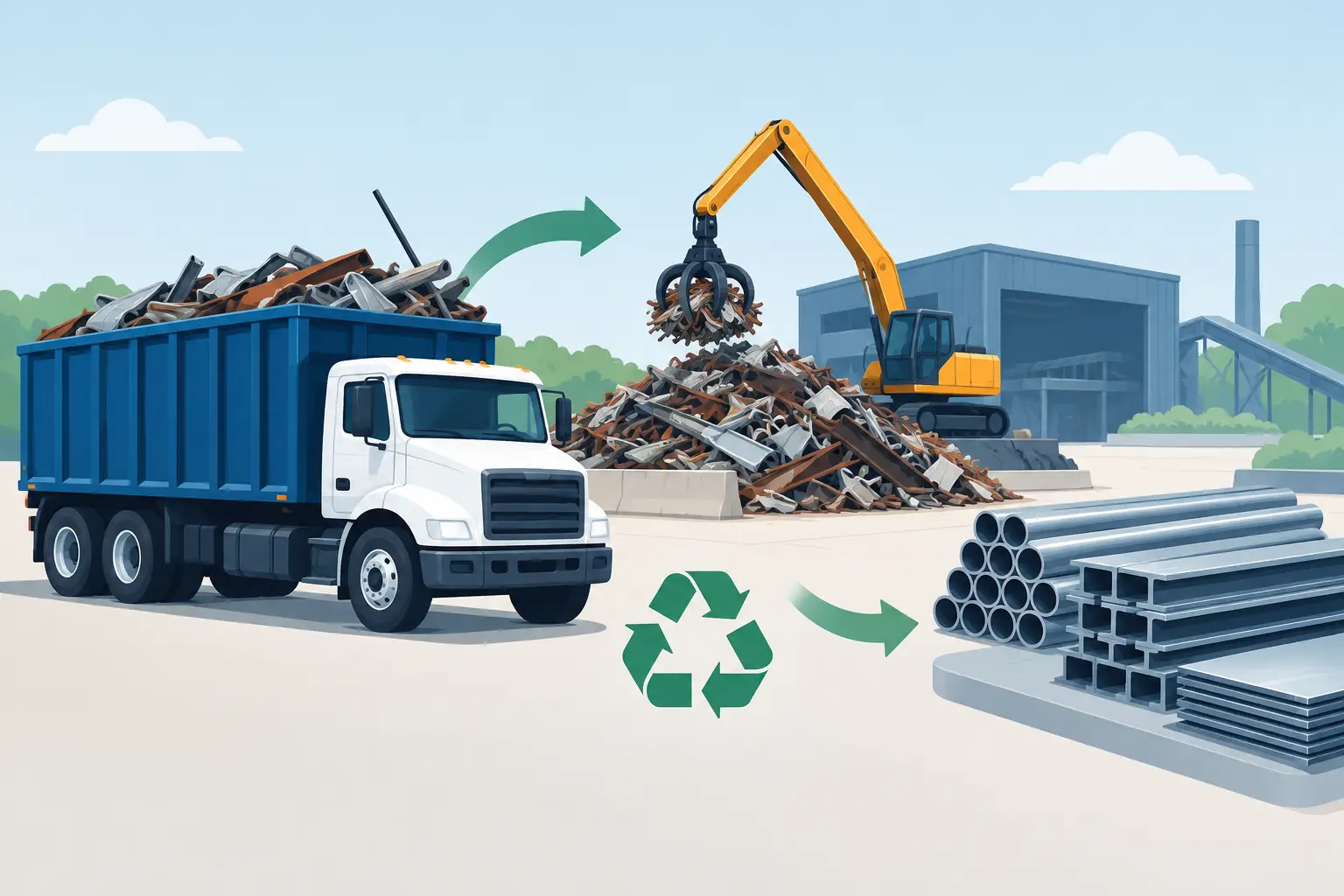
A rusted grill behind the shed, an old water heater in the basement, a stack of bent shelving in the garage - metal clutter can be heavy, awkward, and surprisingly hard to get rid of. So, do haulers recycle scrap metal? Often, yes. Professional junk haulers commonly separate recoverable metal from the rest of a load and route it to an appropriate recycling outlet when practical.
But recycling is not automatic for every item or every pickup. The type of metal, its condition, what is attached to it, local facility requirements, and the size of the load all affect where it goes. A dependable hauling team can take the hard work off your hands while making responsible disposal decisions after the truck leaves your property.
Do Haulers Recycle Scrap Metal From Junk Pickups?
Many junk removal companies recycle scrap metal because it has value and can be processed into new products. Steel, iron, aluminum, copper, brass, and stainless steel are commonly recovered materials. That can include everything from a cast-iron stove and metal bed frame to filing cabinets, lawn equipment, wire, pipes, and commercial shelving.
A professional crew does more than toss everything into one pile. They assess the load, identify materials that may be recyclable, and sort items when it makes operational sense. For a homeowner clearing a garage or a landlord turning over a rental, that means you do not have to rent a truck, lift bulky items, or figure out which local facility accepts what.
Still, it helps to keep expectations realistic. Haulers generally cannot promise that every metal item will be recycled in every circumstance. A severely contaminated item, a mixed-material product that cannot be separated efficiently, or an item with restricted components may require a different disposal route.
What Types of Scrap Metal Can Usually Be Recycled?
Most common household and job-site metals can be recovered if they are reasonably accessible and accepted by the receiving facility. Ferrous metals - metals that contain iron and are often magnetic - include steel appliances, bed frames, toolboxes, exercise equipment, metal fencing, grills, and many construction leftovers.
Nonferrous metals can be particularly valuable to recycling markets. These include aluminum patio furniture, copper plumbing, brass fixtures, stainless-steel sinks, aluminum siding, and certain electrical wire. You do not need to know the difference before scheduling service. Point out the items you want removed, and the crew can handle the lifting and sorting process.
Appliances deserve a closer look. Washers, dryers, dishwashers, stoves, and many water heaters contain recoverable metal. Refrigerators, freezers, air conditioners, and dehumidifiers are different because they may contain refrigerants or other components that need special handling before recycling. A responsible removal company accounts for those requirements instead of treating every appliance the same way.
Why Some Metal Items Cannot Go Straight to Recycling
Scrap metal is not always just metal. That old grill may have a propane tank attached. A dryer may contain electronic components. A filing cabinet may still be full of documents, and a piece of construction debris may be mixed with wood, insulation, drywall, or treated lumber.
Contamination matters because recycling facilities need materials that can be safely and efficiently processed. Paint, oil, chemicals, food waste, loose batteries, fuel, and pressurized tanks can create safety issues or cause a facility to reject an item. Before pickup, empty furniture and cabinets, remove personal documents, and let the hauler know if an item contains fuel, oil, chemicals, or a battery.
Some materials require a separate disposal plan altogether. Household hazardous waste, loose paint, chemicals, asbestos-containing materials, and certain batteries are not standard junk-removal items. Being upfront during the estimate protects everyone involved and helps prevent surprises on pickup day.
The Practical Side of Metal Recycling During a Haul
For most customers, the goal is simple: clear the space without spending a weekend wrestling a refrigerator down the stairs or loading sharp scrap into a pickup truck. A junk hauling service provides labor, a truck, and a responsible plan for the materials collected.
The process usually starts with a clear estimate based on the volume of the load, the type of items, and the labor needed for safe removal. A few loose metal chairs at the curb are different from dismantling rusted fencing, carrying a cast-iron tub from an upstairs bathroom, or clearing a commercial storage room packed with filing cabinets.
Once pricing is approved, the crew removes the items, sweeps up the work area, and transports the load for sorting and disposal. Recoverable materials may be separated from landfill-bound debris, donated goods, or items requiring specialty processing. This approach is especially useful after a renovation, estate cleanout, tenant move-out, or appliance replacement, when several waste streams are mixed together.
How to Make Scrap Metal Pickup Easier
You do not need to clean or sort every piece of metal before the crew arrives. In fact, trying to break down heavy equipment without the right tools can lead to injuries or property damage. However, a little preparation makes removal faster and helps the crew provide an accurate estimate.
If possible, identify the metal items you want gone and keep a clear path to them. Move vehicles out of the driveway if the truck will need access, and secure pets before the appointment. For appliances or equipment, disconnect water, gas, and electrical lines through the appropriate qualified professional before removal. Do not cut refrigerant lines or attempt to drain unknown fluids yourself.
For a larger cleanup, grouping items in one accessible area can help. This is useful for garage cleanouts, rental turnovers, shed removals, and construction debris hauling. But do not create an unsafe pile just to save space. A good crew can work around your property carefully and take ownership of the heavy lifting.
Questions to Ask Before Booking a Hauler
Not every company follows the same disposal practices, so a few direct questions can help. Ask whether the company removes the specific metal items you have, especially appliances, electronics, machinery, or construction materials. Ask how pricing is determined and whether labor, loading, and disposal are included in the quote.
It is also reasonable to ask whether the company recycles metal when possible and how it handles items that need special processing. The best answer is straightforward, not a blanket promise that sounds too good to be true. Responsible disposal involves real limits, facility rules, and safety standards.
Look for a team that communicates clearly, arrives when scheduled, and treats your home, rental, office, or job site with respect. For customers across Maryland's Eastern Shore, Delaware, and Virginia, that kind of dependable service matters just as much as knowing the metal will not be left piled at the curb.
A Cleaner Space Without the Heavy Lifting
Metal recycling is a useful part of professional junk removal, but the biggest benefit is often simpler than that: you get your space back. Whether it is a broken treadmill, old appliances, a corroded swing set, or a room full of commercial fixtures, a capable crew can remove it safely and sort it responsibly after pickup.
Insta Junk Removal & Demolition helps customers handle those physically demanding cleanups with upfront pricing, careful removal, and convenient scheduling. You point. We remove. When you are ready to clear the metal clutter, choose a hauler that makes the work easy while taking responsible disposal seriously.
Need junk removed or something demolished?
Free, no-obligation estimates across the Eastern Shore.