
Can Junk Haulers Remove Pianos? What to Expect
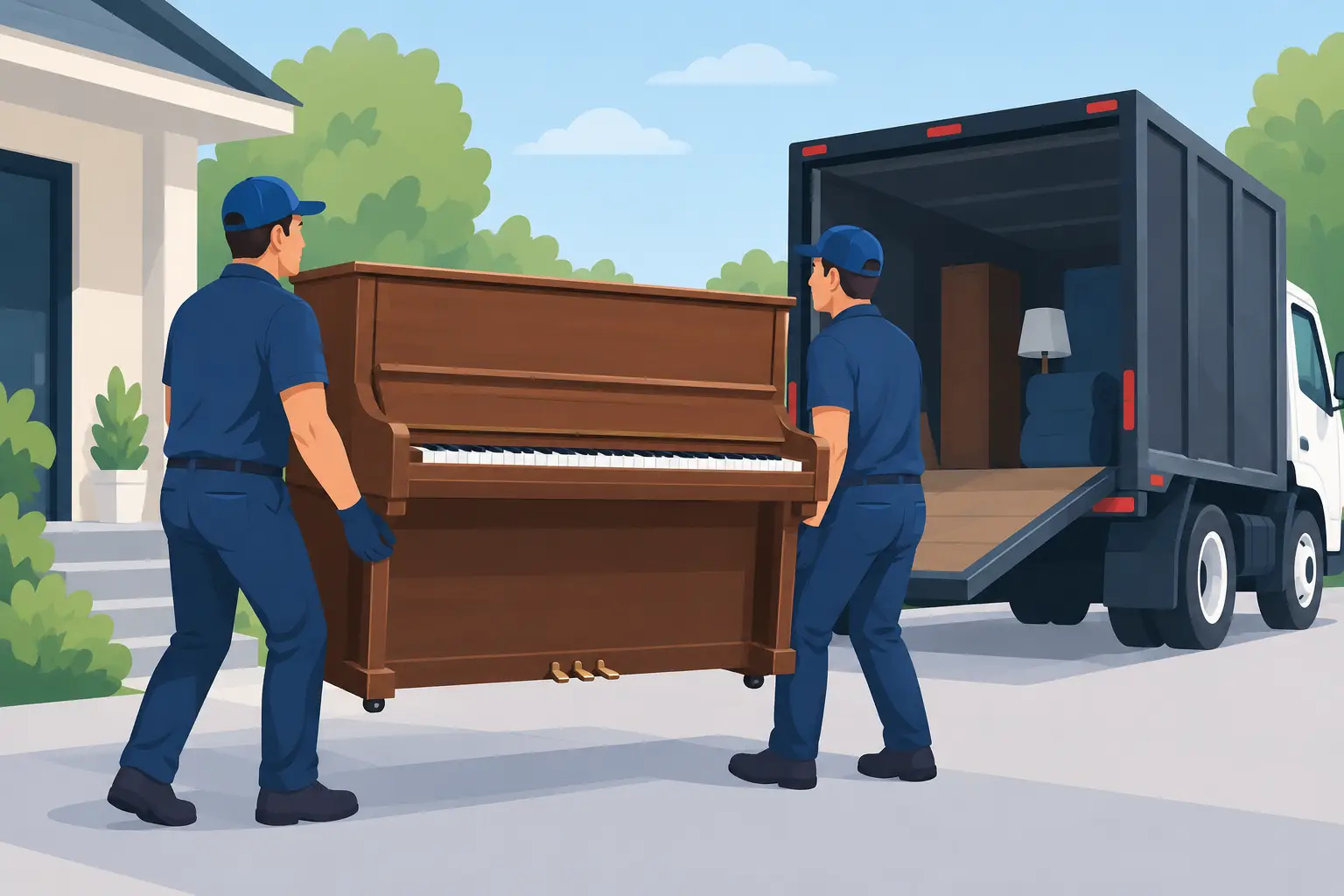
That unused upright in the den may look like one more piece of furniture, but moving it is a different kind of job. Pianos are heavy, awkwardly balanced, and easy to damage - along with the floors, walls, and stairs around them. So, can junk haulers remove pianos? In many cases, yes. A professional junk removal crew can take an unwanted piano off your hands, provided the item and access conditions can be handled safely.
The key is choosing a company that asks the right questions before arrival, gives you clear pricing, and sends a properly equipped crew. You should not have to recruit neighbors, rent a truck, or risk a back injury to clear space in your home, rental, office, or estate.
Can Junk Haulers Remove Pianos From Your Home?
Most full-service junk haulers can remove common household pianos, including upright, spinet, console, and small player pianos. These are often the best candidates for removal because they can usually be moved by a trained crew using dollies, lifting straps, padding, and a planned route through the property.
Grand and baby grand pianos can also be removable, but they require more planning. Their shape, weight, detachable legs, and delicate internal components make them a specialty move in some situations. A hauler may need extra crew members, special equipment, or a piano-moving partner. The same is true for old organs, unusually large player pianos, and instruments located in difficult spaces.
Before scheduling, be ready to share the piano type, approximate size, and its location. Let the company know whether there are stairs, narrow hallways, sharp turns, elevators, gravel paths, decks, or other obstacles. A few photos can help a removal team prepare an accurate quote and avoid surprises on pickup day.
Why Piano Removal Is Not a DIY Pickup
An upright piano commonly weighs 300 to 500 pounds. Larger uprights and player pianos may weigh substantially more, while grand pianos can exceed 1,000 pounds. More than weight, though, the challenge is how that weight sits. Much of it is concentrated in a cast-iron plate inside the instrument, which makes a piano unstable if it is tilted or handled carelessly.
Trying to slide it across a floor can gouge hardwood, tear vinyl, or crack tile. Carrying it without the right grip and coordination can lead to crushed fingers, strained backs, and falls on stairs. Removing doors or taking the piano apart without experience can create even more damage.
A professional crew plans the route first. They protect vulnerable surfaces, secure the piano, communicate through every turn and stair landing, and load it safely for transport. You point out the item, and the crew handles the heavy lifting. That is the value of full-service removal.
What Affects the Cost to Haul Away a Piano?
Piano removal pricing depends on the work involved, not simply the fact that a piano is on the truck. A straightforward ground-floor pickup near an exterior door is generally simpler than removing a large instrument from a second-story room with a tight staircase.
The biggest factors are the piano’s size and weight, the number of crew members required, stairs and access conditions, the distance to the truck, and the final disposal or recycling requirements. If the piano is part of a larger cleanout - such as an estate, rental turnover, garage cleanup, or office furniture removal - it may be priced as part of the total load.
Be cautious with a quote that seems too vague. A reliable company should explain what is included and identify any circumstances that could affect the price before work begins. At Insta Junk Removal & Demolition, customers can request a free, no-obligation estimate and receive upfront pricing before the crew starts. No hidden fees and no guessing about who is responsible for the lifting.
Donation, Recycling, or Disposal: What Happens Next?
Not every old piano belongs in a landfill, but not every piano is a realistic donation either. Pianos are difficult and expensive to tune, repair, transport, and store. A piano that has not been maintained for years, has water damage, broken keys, pest issues, or a cracked soundboard may have limited resale or donation value.
If the instrument is in good working condition, a local school, church, community group, music teacher, or nonprofit may be interested. It is best to confirm acceptance before arranging a move. Many organizations cannot take a piano unless it has been inspected, is playable, and can be delivered safely.
When donation is not practical, responsible removal still matters. A reputable hauler will look for appropriate disposal options based on local rules and the piano’s condition. Some components may be recyclable or recoverable, including metal hardware and the cast-iron plate. Wood, felt, keys, and older finishes may need a different handling process. The exact outcome depends on the available facilities and the condition of the instrument.
How to Prepare for Piano Removal
You do not need to move the piano, disassemble it, or drag it toward the door. In fact, leaving it in place is usually the safer choice until the removal team arrives. You can make the job easier by clearing small furniture, rugs, boxes, and decorations from the planned path.
If there are building rules, elevator reservations, gate codes, loading instructions, or restricted parking, share those details when you book. For apartments, condos, offices, and assisted-living communities, advance coordination can prevent delays and protect common areas.
Take a moment to check the piano bench, music storage, and nearby drawers for sheet music, photos, keys, or personal items. Once the piano is loaded, retrieving something tucked inside the bench is not always possible. If the piano has sentimental value, photographs and a final look before removal can also bring peace of mind.
Questions to Ask Before You Book
A short conversation can tell you whether a junk removal company is equipped for the job. Ask whether they remove your specific type of piano, whether the quoted price includes stairs and labor, and whether they can handle the access route you describe. You can also ask how they protect floors and walls and what their plan is if the piano is oversized or unusually difficult to move.
It is reasonable to expect punctual, uniformed professionals who treat your property with respect. A qualified crew should not pressure you to help lift or leave you with cleanup after the item is gone. The goal is simple: remove the piano carefully and leave you with clean, usable space.
When a Specialty Piano Mover May Be Better
Junk removal is ideal when the piano is unwanted and the priority is safe, convenient haul-away. But if the instrument is valuable, being moved to another home, or needs preservation for a sale, a dedicated piano mover may be the better fit. Specialty movers focus on transporting instruments in playing condition and may offer climate-conscious transport, storage, and reassembly services.
There is also a middle ground. If a piano is structurally difficult to remove but no longer worth keeping, a junk removal provider may be able to coordinate a safe solution after reviewing the job. The right answer depends on the piano, the property layout, and whether its future is donation, restoration, resale, or disposal.
An unwanted piano should not keep you from using a room, preparing a property for sale, completing an estate cleanout, or turning over a rental. With an honest estimate and a crew that plans the removal correctly, one of the heaviest items in the house can become one less thing on your list.
Need junk removed or something demolished?
Free, no-obligation estimates across the Eastern Shore.