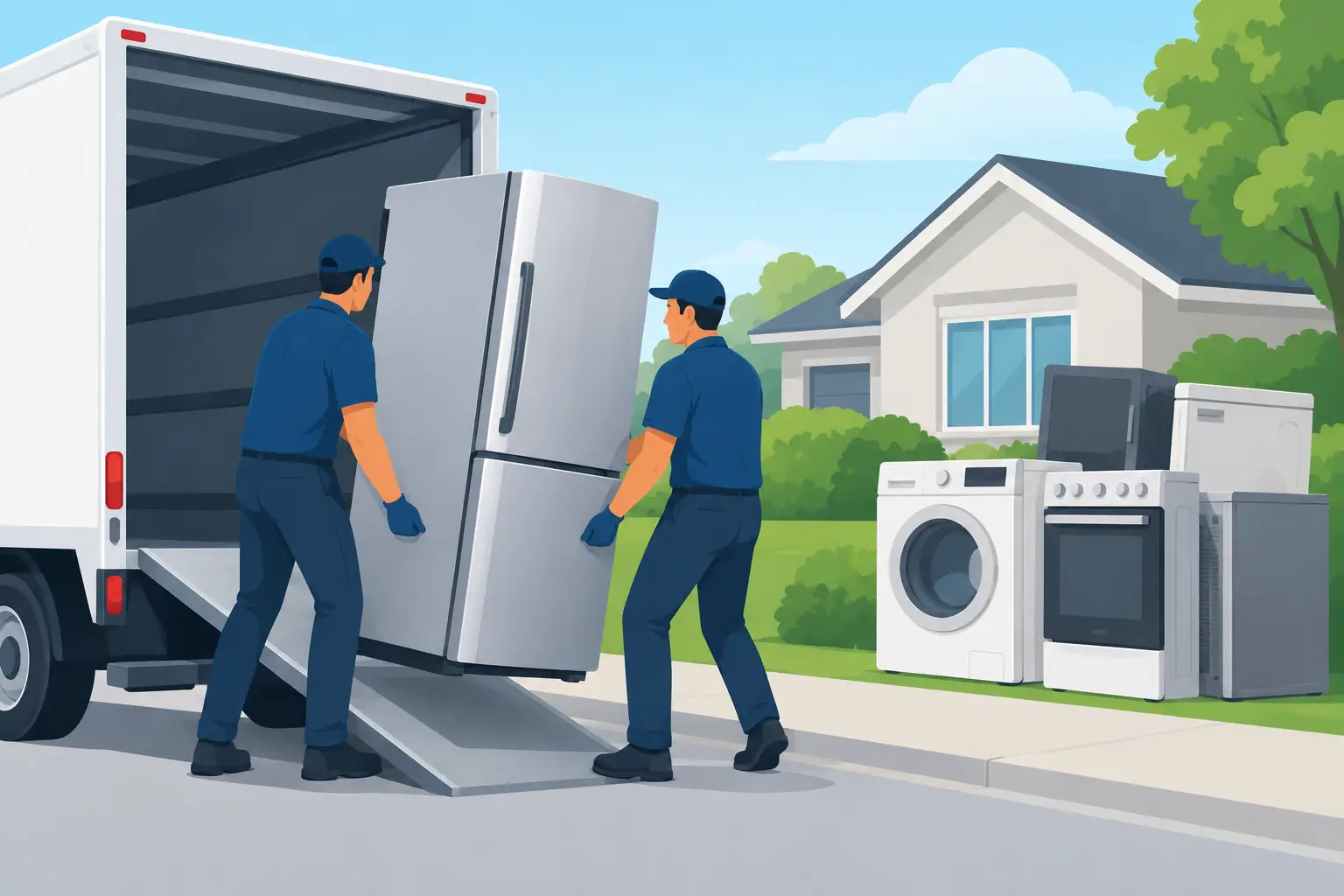
That old refrigerator in the garage can turn into a much bigger job than it looks. It is heavy, awkward to move, and may contain materials that cannot simply be left at the curb. Professional appliance pickup and disposal takes that burden off your hands, so you can clear the space without borrowing a truck, risking an injury, or wondering where the item will end up.
Whether you are replacing a broken washer, cleaning out a rental property, managing an estate, or finishing a kitchen remodel, the goal is simple: get the appliance out safely and leave behind a clean, usable space. A full-service removal crew handles the lifting, loading, hauling, and sorting while you stay in control of the schedule and cost.
When Appliance Pickup and Disposal Makes Sense
Many homeowners first consider appliance removal when a new unit is being delivered. Delivery companies may take the old item, but that is not always included, and their pickup rules can be limited. They may only remove the appliance being replaced, only take it from a certain location, or decline it if it is disconnected or difficult to access.
A junk removal service is often the better fit when the job involves more than one item or more than one room. Perhaps the basement holds a freezer that stopped working years ago, the garage has a rusted grill and an old dryer, and the laundry room still has a washer that needs to go. Instead of arranging separate trips, you can have the appliances and surrounding clutter removed in one appointment.
This service is also useful for landlords and property managers preparing a turnover. Abandoned refrigerators, ranges, microwaves, and window air conditioners take up valuable time between tenants. For estate representatives and families handling a loved one’s home, appliance removal can be one practical step toward making the property safer and easier to sort.
Appliances That Often Need Professional Removal
Large appliances are built to last, which is good while they are working and challenging when they are not. Their weight, sharp edges, cords, and bulky shape make stairs, tight hallways, and narrow doorways difficult to navigate.
Common pickup items include refrigerators, freezers, washers, dryers, dishwashers, ovens, stoves, cooktops, range hoods, microwaves, dehumidifiers, and window air conditioners. Crews can often remove smaller household appliances at the same time, along with furniture, boxes, cabinets, renovation debris, or other unwanted items that are already headed out the door.
Refrigerators and freezers deserve extra attention. Depending on the model, they can contain refrigerants, oils, and other components that need responsible handling. The same is true for air conditioners and dehumidifiers. These items should not be dumped, abandoned, or broken apart in a driveway. Proper sorting helps keep recoverable metals and materials out of the waste stream while directing restricted components through the right channels.
Working condition matters, but it is not the only factor. A clean, usable appliance may have donation potential if an appropriate local organization can accept it. A broken or outdated unit may be better suited for recycling or disposal. The right option depends on the appliance’s condition, age, local requirements, and available facilities. A responsible removal company assesses what can be reused, recycled, or disposed of properly rather than treating every item the same way.
What to Do Before the Crew Arrives
You do not need to move a heavy appliance to the curb or wrestle it onto a dolly. In fact, leaving it in place is often safer. A few quick preparations can make removal smooth and help protect your home.
First, make sure the appliance is disconnected from electricity, water, gas, or plumbing before pickup. For a refrigerator or freezer, remove food and personal items, then allow it to thaw if possible. Put down towels if there is a chance of melting ice or water. For washers and dishwashers, check that hoses have been disconnected and drained. If you are unsure how to safely disconnect a gas appliance or hardwired unit, call a qualified technician first.
Next, clear a reasonable path to the item. Move loose rugs, small tables, pet bowls, and anything else that could create a trip hazard. Let the crew know ahead of time about stairs, narrow access, elevators, gated communities, or an appliance located in a basement, shed, or second-floor laundry area. Those details help the team arrive prepared.
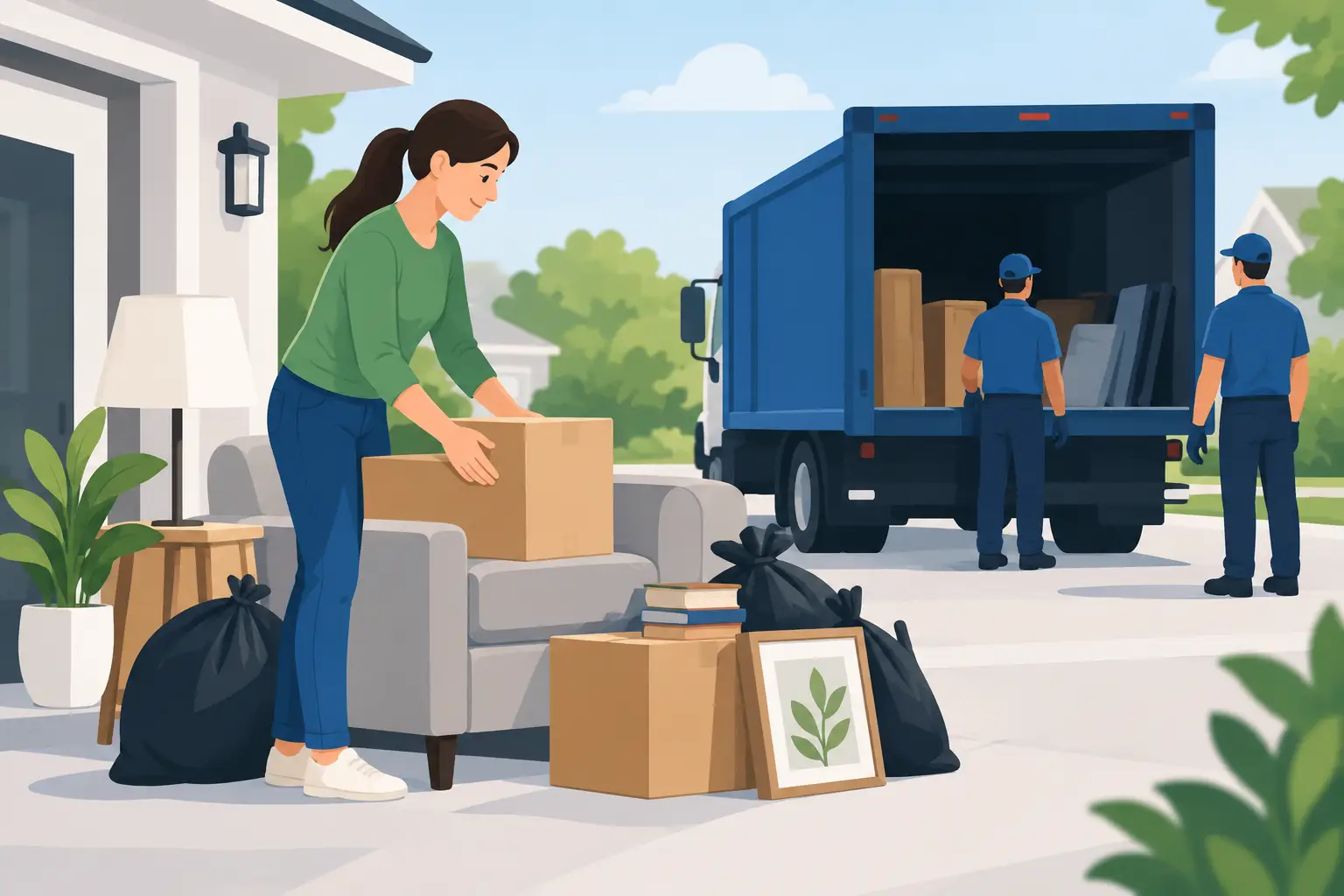
Finally, decide what else should go. Appliance pickup is a good opportunity to clear the old cabinet parts from a remodel, the broken patio furniture behind the shed, or the boxes that have been sitting beside the freezer. Combining items can save time and get more of the cleanup done in a single visit.
How Full-Service Removal Works
The best removal experience should feel straightforward from the first call to the final sweep-up. With Insta Junk Removal, the process begins with scheduling a convenient pickup time, including same-day availability when the schedule allows. You explain what needs to be removed, and the crew arrives ready to take a look at the actual items and access conditions.
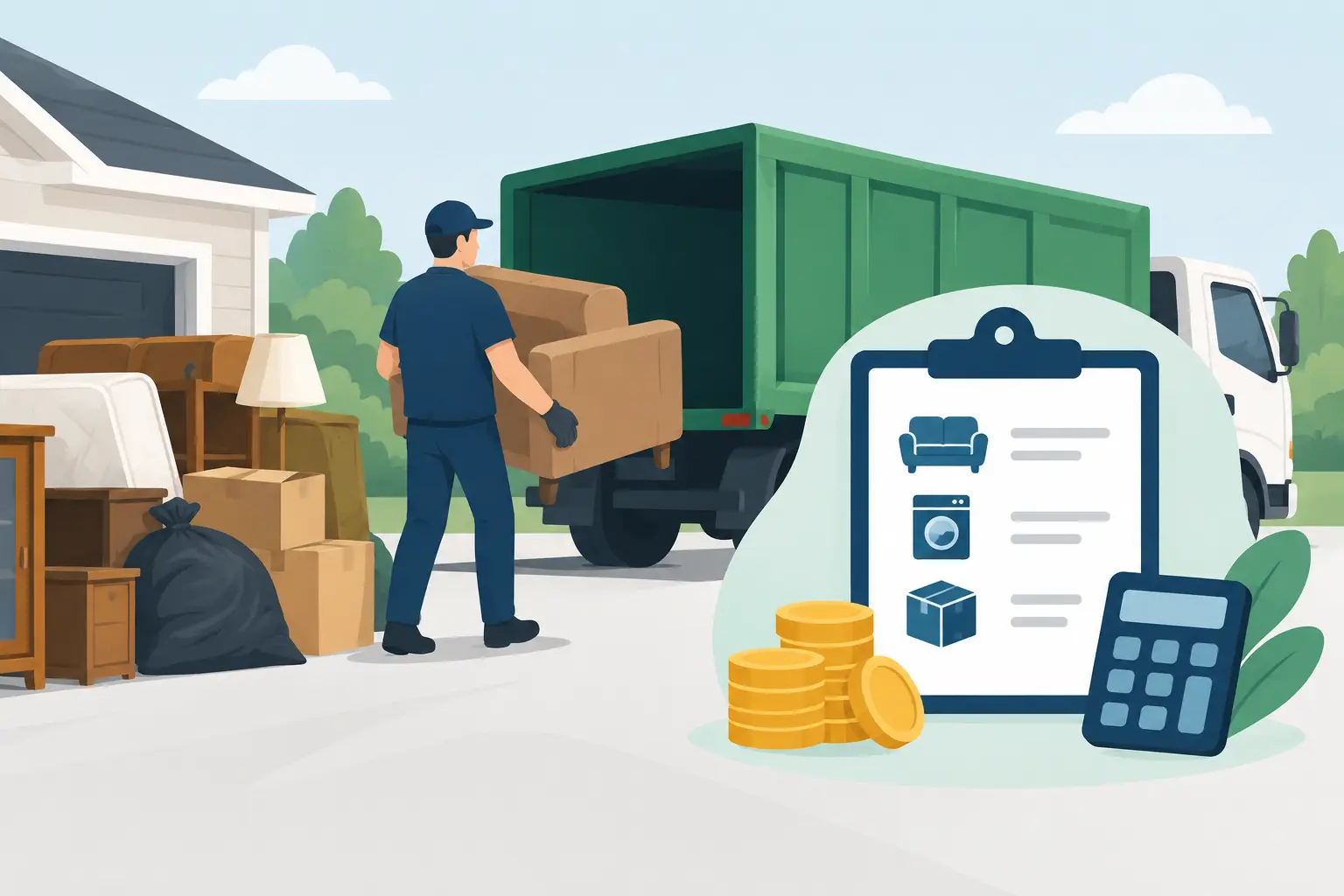
Pricing is based on the truck space your items occupy, not on how many hours the crew spends lifting them. That approach is helpful for heavy appliances because the labor, loading, hauling, and disposal are included. You receive an upfront estimate on site before work begins, so there are no hidden fees or surprise add-ons after the appliance is already loaded.
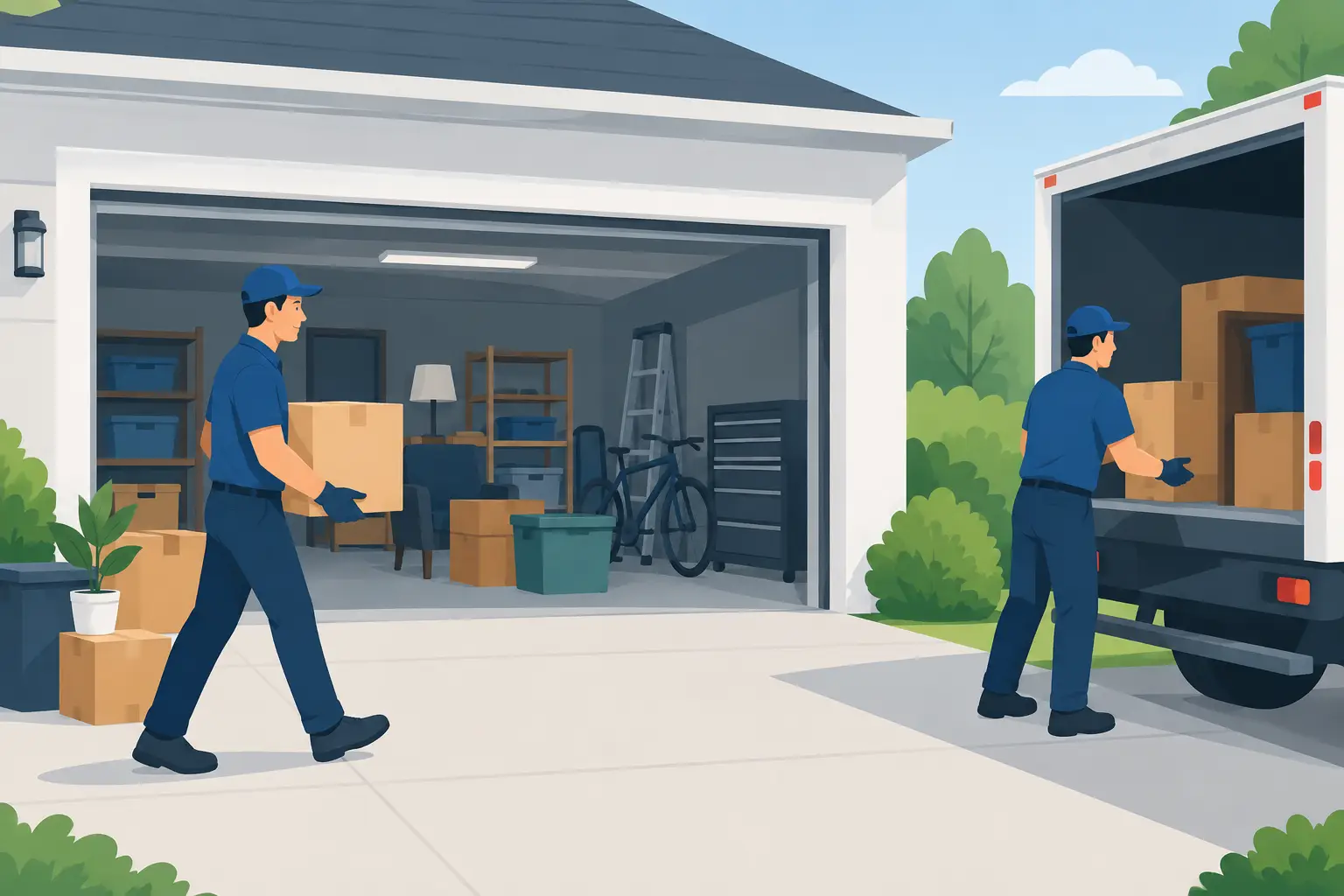
Once you approve the estimate, the uniformed crew gets to work. They carefully move the appliance from its location, using the right equipment and taking care around walls, floors, doors, and nearby furniture. You do not lift a finger. After loading, the crew handles the hauling and sorts items for donation, recycling, or responsible disposal where possible.
The final benefit is immediate: a clean, clutter-free area that is ready for the new appliance, a tenant walkthrough, a sale listing, or whatever comes next.
Why Curbside Is Not Always the Easy Option
Municipal bulk pickup can be useful for certain items, but it comes with trade-offs. Collection dates may be infrequent, item limits may apply, and some programs will not accept appliances containing refrigerant. You may also need to transport the appliance to the curb yourself, which is difficult with a 200-pound refrigerator or an upstairs washer.
Leaving an appliance outdoors while waiting for pickup can create other problems. Rain can make it harder to recycle, doors and cords can pose safety concerns, and the item can become an eyesore for neighbors or prospective renters. For property managers, real-estate professionals, and business owners, a prompt pickup keeps the property looking cared for and prevents delays.
Self-hauling is another option, but it only makes sense if you have a suitable vehicle, straps, a ramp, enough helping hands, and a confirmed destination that accepts the appliance. A single tip or damaged floor can cost far more than professional removal. For most people, the convenience is not just about avoiding hard work. It is about avoiding a preventable problem.
Choose a Removal Team That Takes Ownership
Appliance removal should not end with an item disappearing from view. Ask whether the company handles all lifting and loading, provides pricing before work starts, and has a plan for recycling, donation, and proper disposal. You should also feel comfortable asking about arrival windows, access challenges, and what happens if the job includes other bulky items.
For homes and properties across Maryland, Delaware, and Virginia, a dependable crew can turn an appliance headache into a quick, controlled task. The next time an old refrigerator, dryer, or range is standing between you and a usable room, leave it where it is, clear the path, and let experienced professionals handle the heavy part.