
That worn-out mattress is harder to move than it looks, awkward to fit through a hallway, and rarely accepted with regular household trash. If you are figuring out how to recycle old mattresses, the answer depends on the mattress condition, local options, and whether you can transport it safely. The good news is that much of a typical mattress can be recovered instead of sent straight to a landfill.
A professional removal crew can make the physical part simple: no dragging a heavy mattress down stairs, no borrowing a truck, and no guessing where it belongs. But it still helps to understand what can be recycled, what cannot, and how to prepare the item for pickup.
Why Old Mattresses Need Special Handling
Mattresses are bulky, layered products. A standard queen mattress can contain steel springs, foam, fabric, wood, cotton or fiber fill, and adhesives. Those materials are valuable when separated, but they are difficult to process when the mattress is wet, heavily soiled, or left loose in a landfill pile.
That is why most curbside trash programs will not take mattresses, or they require a special bulky-item pickup. Rules vary by town and waste provider, so do not assume that putting a mattress at the curb is permitted. An unapproved mattress can be left behind, create a neighborhood mess, or lead to an extra collection charge.
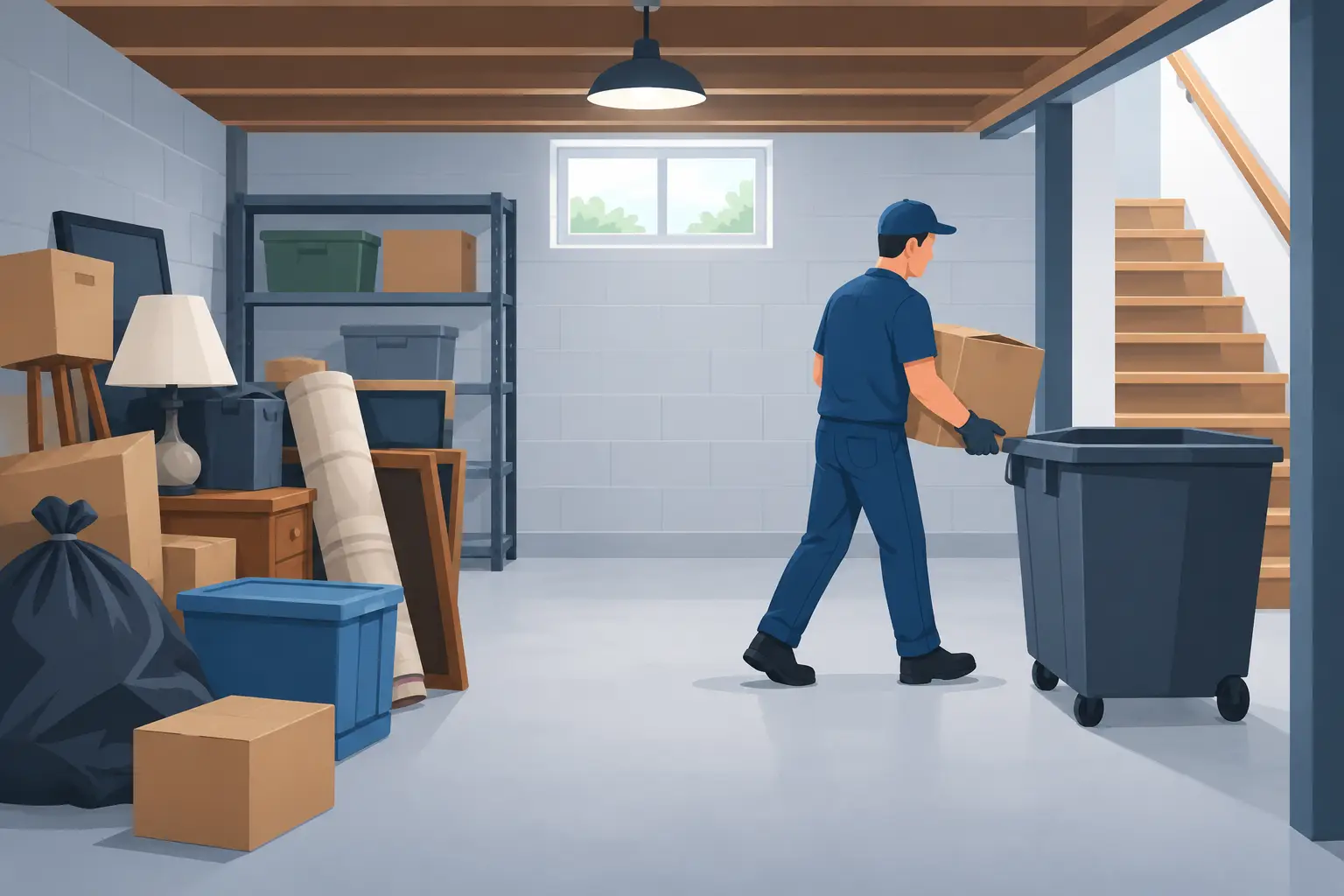
The size of the job matters, too. Replacing one mattress is one thing. Clearing a rental unit, estate home, assisted-living room, hotel space, or several bedrooms before a renovation can leave you with a stack of oversized items that need a coordinated removal plan.
What Parts of a Mattress Can Be Recycled?
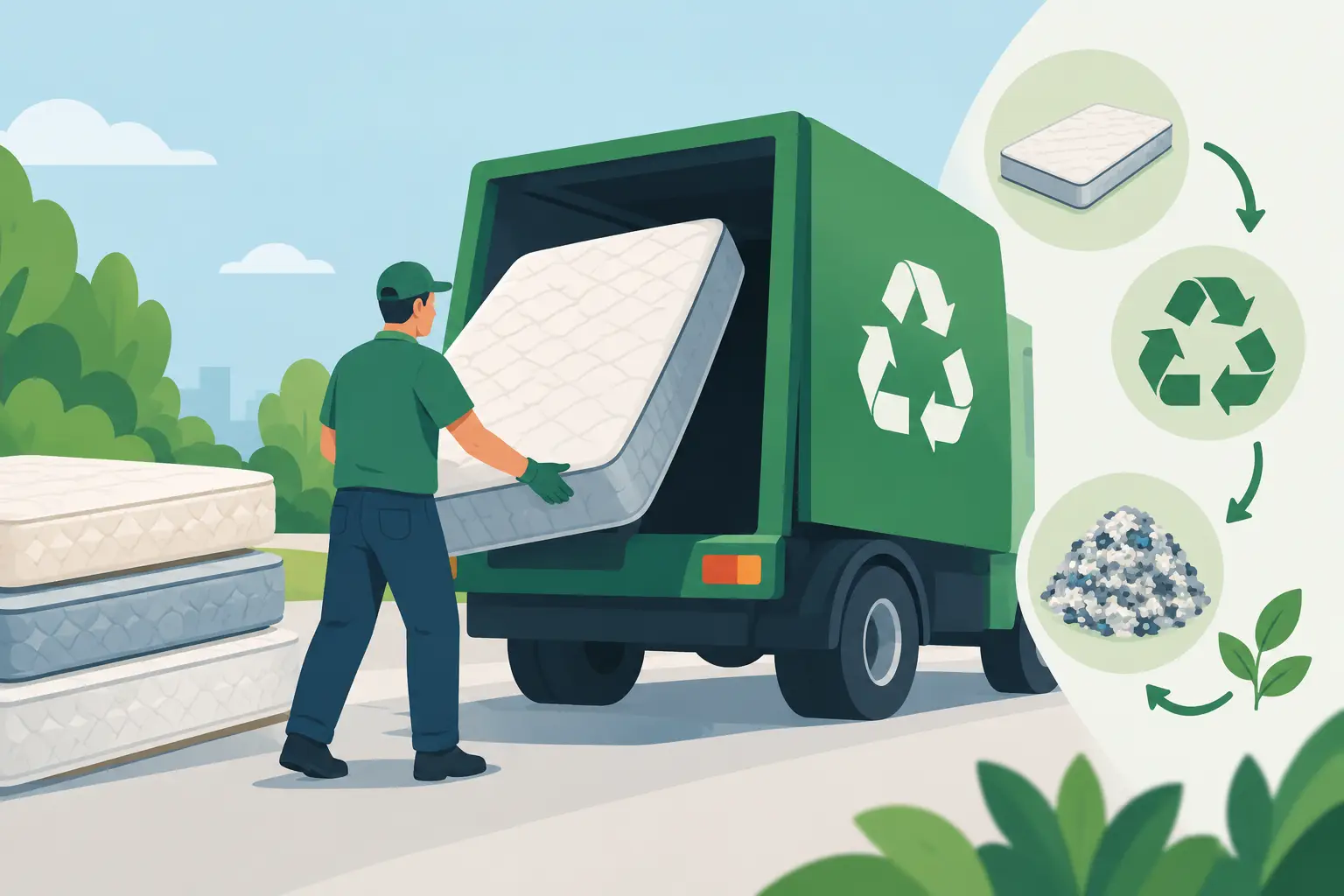
When a mattress reaches a qualified recycling operation, workers or specialized equipment break it down into individual material streams. Steel springs can be sent for scrap-metal recycling. Foam may become carpet padding, pet bedding, insulation, or other foam products. Fabric, fiber, and wood components may be reused or processed depending on their condition and the facility’s requirements.
Box springs can often be recycled as well, and in some cases they are easier to dismantle because they contain more visible wood and metal. Still, do not assume a mattress recycler will accept every item. Memory foam, hybrid mattresses, adjustable bases, and damaged box springs may have different handling requirements.
The biggest factor is cleanliness. Recycling facilities commonly reject mattresses with mold, excessive moisture, body-fluid contamination, or evidence of bed bugs. Once a mattress presents a health or contamination concern, responsible disposal is usually the safer route. Trying to donate or recycle an infested mattress can spread the problem and put workers at risk.
How to Recycle Old Mattresses: Start With Condition
Before scheduling a pickup or loading a vehicle, take two minutes to inspect the mattress. Look for stains, odors, torn fabric, dampness, mold, pests, and structural damage. Then decide whether reuse, recycling, or disposal is appropriate.
If the mattress is clean and still usable
A gently used mattress may be eligible for donation, but acceptance standards are often strict. Many charities will not accept used mattresses for hygiene reasons, even if they look clean. A shelter, furniture bank, local reuse organization, or community group may have a need, but always confirm acceptance before transporting it.
If a mattress is still in excellent shape, a local sale or giveaway can also keep it in use. Be honest about its age and condition, and never offer a mattress that has pests, stains, smoke damage, or a sagging support system.
If the mattress is worn out but clean
This is the best candidate for mattress recycling. Search for a dedicated mattress recycler, municipal transfer station, bulky-waste program, or junk removal company that sorts materials for recycling when possible. Ask directly whether the service handles mattresses, box springs, and bed frames, and whether there is a separate fee for each piece.
It is worth asking what happens after pickup. “Eco-friendly” should mean more than moving the mattress out of sight. A responsible provider should have a clear process for routing reusable and recyclable materials to the appropriate facilities when local outlets and item condition allow.
If the mattress is damaged or contaminated
Do not donate it. If there is a suspected bed bug issue, follow local guidance for containing the item before moving it. A mattress encasement or heavy plastic covering can help prevent pests or debris from spreading during transport, but it does not make an infested mattress recyclable.
For water-damaged, moldy, heavily stained, or pest-affected mattresses, disposal may be the only practical option. That is not a failure. The responsible choice is the one that protects sanitation workers, recycling staff, and the next person who might otherwise come in contact with the item.
Your Main Mattress Removal Options
The right method comes down to time, labor, access, and local rules. If you have a pickup truck, a nearby approved facility, and one clean mattress, self-hauling may be economical. Call ahead first to confirm hours, accepted materials, drop-off instructions, and fees. Secure the mattress properly in your vehicle. A loose mattress can shift, block your view, or become a road hazard.
Some towns offer scheduled bulky-item collection. This can work well if you can wait for the next available date and move the mattress to the required pickup area. Read the preparation rules carefully. Certain programs require advance registration, a tag, wrapping, or limits on the number of items.
A retailer may remove your old mattress when delivering a new one, but policies vary. Ask before purchase rather than assuming haul-away is included. This option can be convenient for a one-for-one replacement, though it may not help if you also need to remove a bed frame, dresser, carpet, or other clutter from the room.
For busy households, property managers, and families managing an estate, full-service junk removal is often the simplest option. A crew handles the lifting, carries the mattress from wherever it sits, loads it, and takes it for appropriate sorting and disposal. This is especially helpful with narrow staircases, heavy king mattresses, multiple units, or homes where no one should be lifting bulky furniture.
Prepare the Mattress for Safe Pickup
A little preparation helps any removal go smoothly. Strip sheets, blankets, protectors, and pillows from the bed. Separate the mattress from the box spring and bed frame if you can do so safely. If disassembly requires tools or the frame is unstable, let the removal team know in advance.
Clear a path from the bedroom to the exit. Move lamps, wall décor, shoe racks, and small furniture that could be bumped during removal. Keep pets in a separate room and let the crew know about tight turns, elevator access, gate codes, or stairs. These details help the team arrive prepared and protect your home during the carry-out.
Do not cut open a mattress to remove springs unless you have a specific recycling facility asking you to do so. The materials are under tension, the foam creates a mess, and loose components can make transport harder. Full-service recyclers and removal professionals have safer methods for handling the breakdown.
When Professional Mattress Removal Makes Sense
There is a difference between having a disposal option and having the time, strength, vehicle, and help to use it. Professional hauling is particularly useful when the mattress is upstairs, the household is preparing for a move, a rental turnover needs to happen quickly, or an older family member cannot safely manage the lifting.
Insta Junk Removal provides full-service mattress and furniture removal for homes, rentals, offices, and cleanout projects across the Delmarva region. The crew can assess the items on site, provide upfront pricing based on truck space, and handle the labor from start to finish. When mattresses are suitable for recycling or other responsible handling, that is part of the sorting process – not another task left on your list.
A clean bedroom should not require a strained back, a borrowed truck, and a weekend spent calling disposal sites. Choose the option that fits the mattress condition and your schedule, then let the old bed make room for a cleaner, more comfortable space.