A renovation can come to a standstill before the new work even begins. Old cabinets are still fastened to the walls, flooring is piled in the hallway, a bathroom vanity will not fit through the door, and every removed fixture creates another load of debris. An interior demolition contractor handles that hard, messy first phase so your property is clear, safer to work in, and ready for what comes next.
For homeowners, landlords, property managers, and contractors, interior demolition is not simply about tearing things out. It requires a plan for protecting the areas that stay, removing materials in the right order, managing dust and debris, and hauling everything away responsibly. The right crew saves time, reduces physical strain, and keeps a project from turning into a pile of unfinished work.
What an Interior Demolition Contractor Can Remove
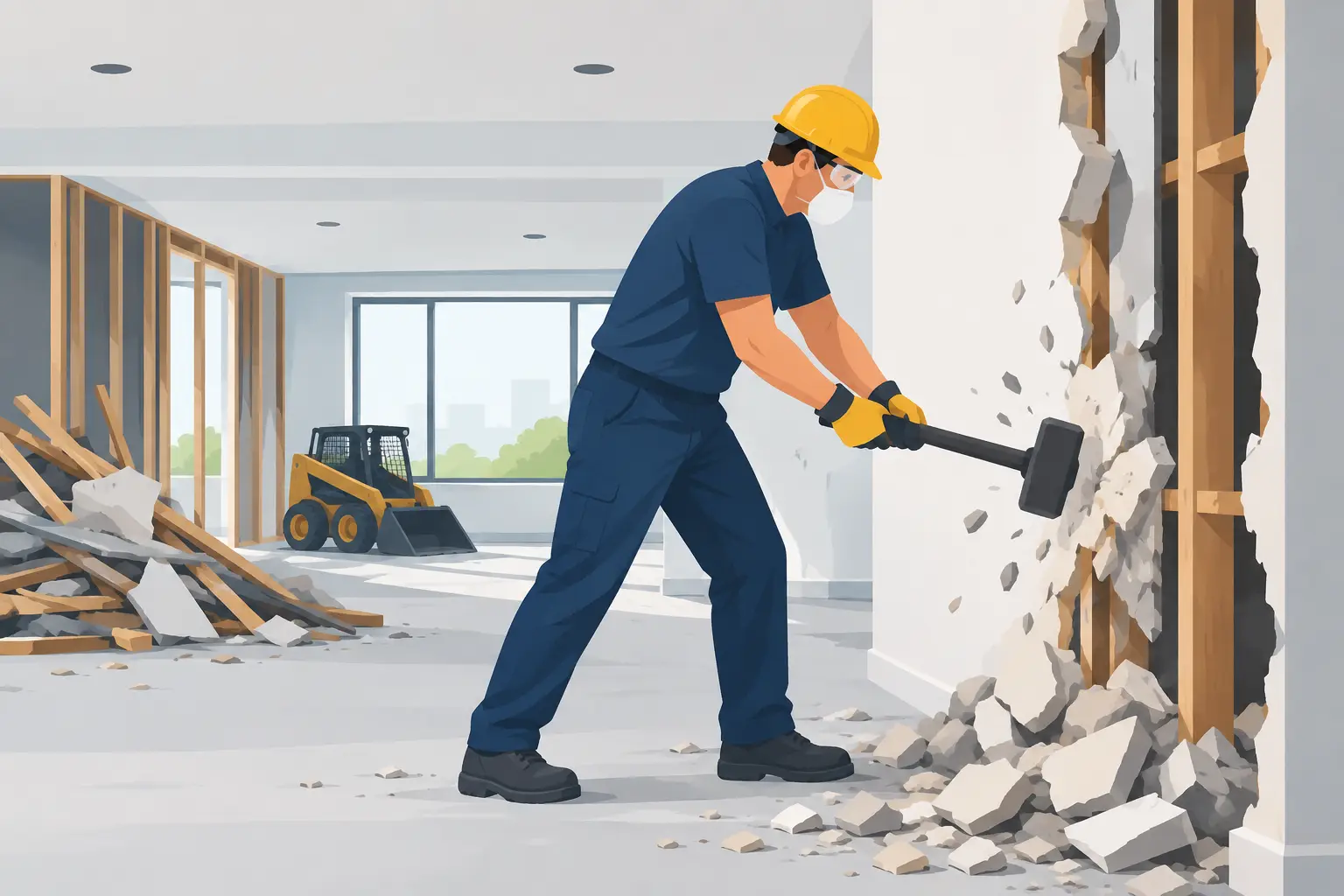
Interior demolition is targeted removal inside a home, rental unit, office, or commercial property. Unlike a full building demolition, the goal is to take out specific rooms, fixtures, finishes, or nonstructural components while leaving the rest of the property intact.
A typical project may involve removing a dated kitchen before a remodel, gutting a damaged bathroom, pulling out carpet and padding after a tenant move-out, or taking down non-load-bearing walls to open up a layout. Crews can also remove cabinets, countertops, appliances, drywall, ceiling materials, built-in shelving, tile, doors, trim, fixtures, and old insulation when appropriate.
The scope matters. Removing a few cabinets is very different from clearing an entire kitchen with tile floors, soffits, appliances, and a full truckload of debris. A reliable contractor should look at the actual space, ask what needs to remain, and provide a clear estimate before work begins.
The Difference Between Demolition and Junk Removal
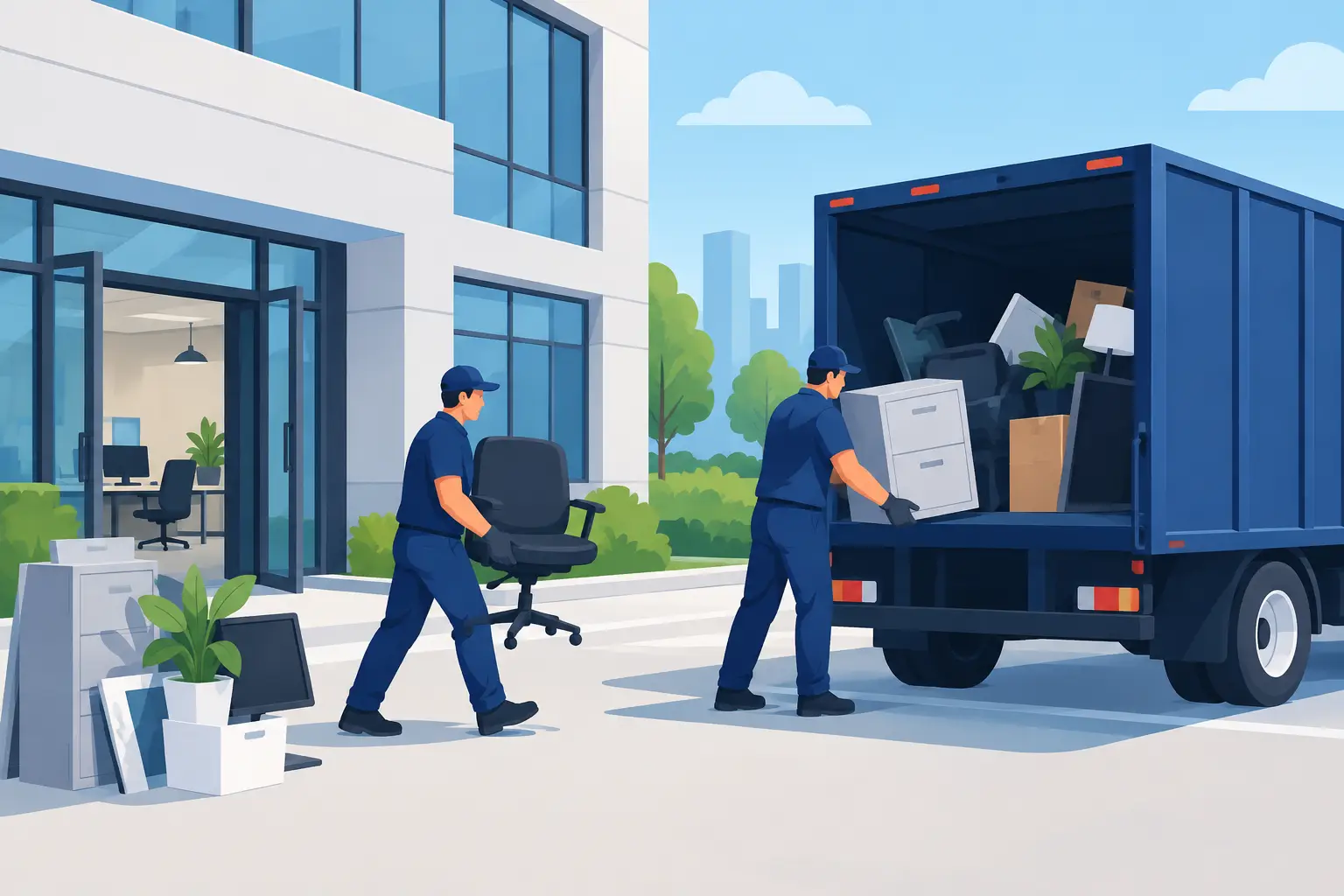
These services often overlap, but they are not the same job. Junk removal focuses on taking away items that are already loose or set aside, such as old furniture, appliances, boxes, office contents, and construction debris. Interior demolition includes the labor needed to detach, dismantle, and remove materials that are still part of the space.
For example, a crew may remove a refrigerator, a worn-out couch, and bags of debris during a cleanout. But if you need kitchen cabinets pulled from the wall, a vanity disconnected and removed, or carpet torn up across several rooms, demolition labor is part of the work.
Working with a company that can handle both is often more convenient. You do not have to coordinate one crew to tear materials out and another to haul them away. The work can move from careful removal to loading, sorting, and disposal in one visit.
When Professional Interior Demolition Makes Sense
Some small projects are manageable for an experienced property owner with time, tools, and a safe place to dispose of debris. Still, many projects become larger than expected once the first section comes out. A simple flooring removal can reveal damaged subflooring. A bathroom update can produce heavy tile, old fixtures, drywall, and sharp debris that quickly fills a trailer or pickup.
Professional help is especially useful when time is limited, the materials are heavy, or the property needs to stay presentable. Landlords preparing a unit for the next renter may need a quick turnaround. A real-estate professional may need an inherited home cleared before listing photos. A contractor may need the old kitchen removed so trades can start on schedule.
It also makes sense to bring in help when you need the work done without carrying debris through your home, finding a disposal facility, or making repeated dump runs. A full-service crew handles the lifting, loading, hauling, and cleanup, so you do not have to recruit friends or spend a weekend managing debris.
What Careful Demolition Looks Like
Good demolition is controlled. The crew should start by confirming exactly what is being removed and what must be protected. That may include adjacent walls, floors that are staying, door frames, stairways, landscaping near an exterior exit, or common areas in a commercial building.
The removal sequence matters. Fixtures and loose contents generally come out before cabinets, wall finishes, or flooring. Materials should be broken down as needed for safe carrying and efficient loading, rather than dragged through a property in oversized pieces. Careful crews also keep walking paths as clear as possible and contain the mess instead of letting debris spread through rooms that are not part of the project.
There are limits to any demolition scope. Structural walls, electrical wiring, plumbing lines, gas connections, and suspected hazardous materials may require a qualified trade professional, testing, permits, or a different approach. Be upfront about the age and condition of the property, visible water damage, unusual ceiling or floor materials, and anything you suspect may be unsafe. It is better to identify a concern before removal starts than after a wall has been opened.
Questions to Ask Before You Hire
The lowest number is not always the best value. An estimate that sounds cheap may not include labor, hauling, disposal fees, or cleanup. Before scheduling, make sure you understand what the price covers and how the crew handles unexpected changes in scope.
Ask whether the estimate includes removal, loading, transportation, and disposal. Confirm whether the crew will protect nearby surfaces and whether they will sweep up the work area afterward. If the project includes bulky materials such as cabinets, tile, drywall, carpet, or appliances, ask how those materials will be handled once they leave your property.
It also helps to discuss access. Narrow hallways, upper-floor units, limited parking, elevators, or stairs can affect the pace of a project. Sharing a few photos and explaining where the debris is located can lead to a more accurate estimate and a smoother appointment.
Pricing Should Be Clear Before the Work Starts
Interior demolition pricing depends on the amount of labor, the type and volume of material, access to the space, and disposal requirements. A small vanity removal may take little time and truck space. A complete kitchen demolition with cabinets, countertops, flooring, appliances, and construction debris is a much larger job.
Transparent pricing gives you control. You should know what work is included before the crew begins, not face surprise charges after the truck is loaded. At Insta Junk Removal, on-site assessments and upfront estimates help customers understand the plan, while pricing reflects the truck space used by the material and includes the heavy lifting, loading, hauling, and disposal.
In some cases, separating items before the crew arrives can help. If personal belongings, reusable fixtures, or items you plan to keep are clearly moved out of the work zone, the demolition team can focus on the materials that need to go. Do not feel pressured to do the heavy work yourself, though. The point of hiring a crew is to avoid the lifting and reduce the chance of damage or injury.
Responsible Disposal Is Part of the Job
A demolition project can create more waste than people expect. Cabinets contain wood, hardware, and engineered materials. Bathrooms may produce tile, porcelain, metal fixtures, drywall, and flooring. Offices can add cubicles, shelving, electronics, and furniture to the load.
Whenever possible, materials should be sorted for recycling, donation, or responsible disposal. Not every item can be recycled, and disposal options vary by material and local facility rules. But a contractor should have a plan beyond leaving a pile at the curb or filling your driveway with debris for weeks.
This matters for more than appearances. Proper handling keeps work areas safer, reduces unnecessary landfill waste when alternatives are available, and gives property owners confidence that the project is being finished properly from start to finish.
Prepare the Space Without Overworking Yourself
Before the crew arrives, remove personal valuables, paperwork, medications, and anything you want to keep from the work area. If possible, identify fixtures or materials that are being saved for reuse. Make sure the team has a clear path to the space and let them know about parking instructions, gate codes, pets, or building rules.
Then let the professionals do the physical work. You should not need to tear up carpet, carry cabinets down stairs, or make room in your vehicle for broken tile. A well-planned interior demolition appointment leaves you with open space, not another long list of chores.
Whether you are refreshing one bathroom or clearing a rental after a major turnover, start with a clear scope and an honest estimate. The right crew can turn a difficult removal job into a clean, clutter-free starting point for the next stage of your property.