Tenant Turnover Cleanup Checklist for Landlords
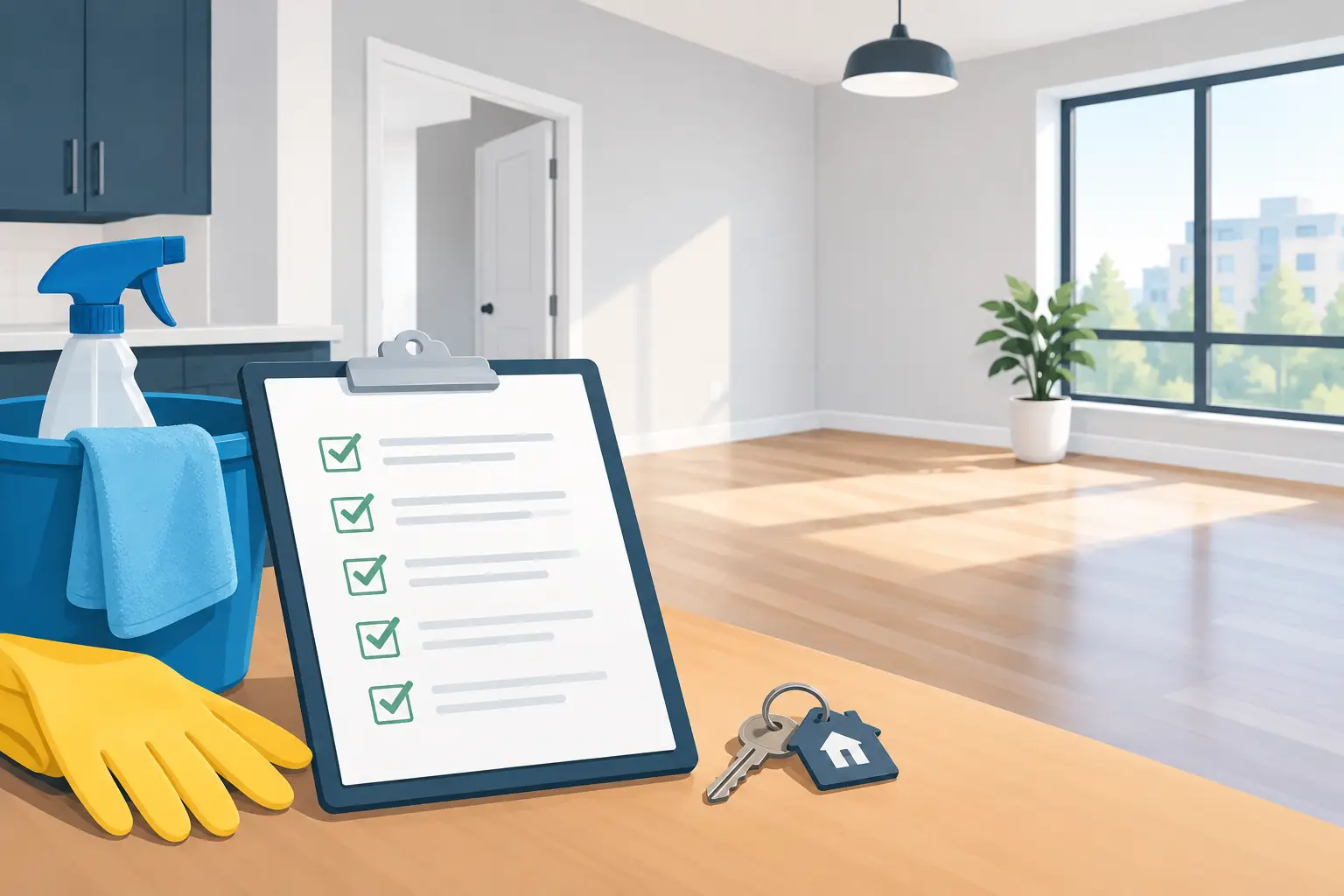
A vacant rental can start costing money the moment the keys come back. This tenant turnover cleanup checklist helps landlords and property managers move from a cluttered, uncertain unit to a clean, show-ready property without missing the work that can delay the next lease.
The goal is not simply to make the place look better. A careful turnover protects the property, documents its condition, identifies repairs early, and gives incoming tenants a clean start. Some units need a light reset between reliable tenants. Others require furniture removal, appliance hauling, deep cleaning, repairs, and a full property cleanout. Knowing the difference helps you schedule the right people and avoid paying for rushed work twice.
Start With Possession, Documentation, and Safety
Do not begin tossing items or cleaning before you have confirmed that the tenancy has ended and you have legal possession of the unit. Lease terms and state or local requirements can affect how you handle property left behind. When in doubt, follow the written lease and consult the appropriate local guidance before disposing of anything that may belong to a former tenant.
Once the unit is legally yours to enter, walk through it before moving a single item. Take dated photos and video of every room, closet, storage area, garage, shed, patio, and yard. Document wall damage, flooring stains, missing fixtures, trash volume, and any items left behind. This record helps with security-deposit accounting, vendor estimates, and disputes later.
Safety comes next. Wear gloves and sturdy shoes, especially in units with broken glass, pests, damaged furniture, or overflowing trash. Look for signs of water leaks, mold, exposed wiring, gas odors, or structural damage. If you see an immediate hazard, stop the cleanup and bring in the appropriate licensed professional. A quick turnover is never worth an injury or a bigger repair bill.
Tenant Turnover Cleanup Checklist: Clear the Space First
Cleaning around abandoned belongings wastes time. Clear the property before bringing in cleaners, painters, or maintenance crews, while following your required process for stored or abandoned tenant property.
Begin with obvious trash and disposable materials. Then separate items that can be donated, recycled, or professionally removed from items you are required to hold. Common turnover loads include mattresses, sofas, dressers, broken tables, bagged trash, clothing, food, old televisions, shelving, rugs, and boxes packed into closets or basements.
Do not forget the larger items that can stop a unit from being rented quickly. A dead refrigerator on the porch, a worn-out washer in the laundry room, or a broken playset in the yard can make an otherwise clean property feel neglected. Heavy items also create a real risk of scratches, damaged doorframes, and back injuries when someone tries to handle them without the right equipment.
For a full cleanout, professional junk removal keeps the work controlled. A uniformed crew can remove heavy furniture, appliances, construction debris, and bagged junk in one visit, so your cleaner and maintenance team can get to work. Ask for upfront pricing based on the load and access conditions, particularly if there are stairs, tight hallways, elevators, or a long carry from the unit.
Inspect Every Room Before Cleaning It
After the space is empty, do a second walk-through. This is when hidden damage becomes visible. Move room by room and write down what needs repair, replacement, or professional attention. The order matters: repairs should happen before final cleaning, and painting should generally happen before floors receive their finishing touch.
Kitchen and Laundry Areas
Open every cabinet and drawer. Check for grease buildup, loose hinges, damaged shelves, and food debris that can attract pests. Run the garbage disposal if there is one, inspect under the sink for leaks, and test the dishwasher through a short cycle. Pull appliances away from the wall when practical to check for crumbs, water damage, and lost items.
Test the refrigerator, range, microwave, washer, and dryer. Note whether an appliance is dirty, malfunctioning, or ready for replacement. If an old appliance has failed, arrange removal before the replacement arrives. That avoids a cramped kitchen or laundry area and gives installers clear access.
Bathrooms
Check toilets for leaks and secure mounting, run both hot and cold water, and inspect caulk and grout for mildew or gaps. Look beneath vanity cabinets, around the tub, and behind the toilet for moisture damage. Replace burned-out bulbs, broken exhaust-fan covers, cracked toilet seats, and worn shower curtains or rods as needed.
A bathroom does not need expensive upgrades at every turnover, but it does need to feel sanitary. Persistent odors, stained caulk, and hair-filled drains are small issues that shape a new tenant's first impression immediately.
Living Areas, Bedrooms, and Closets
Inspect walls for holes, scuffs, unauthorized paint, and adhesive damage. Test smoke and carbon monoxide detectors according to your property requirements, replace batteries where appropriate, and check doors, locks, window latches, blinds, and screens. Open closets and inspect shelves, rods, and corners for pests or water staining.
Flooring deserves close attention. Identify the difference between normal wear and damage before scheduling work or making deposit decisions. Vacuumed carpet may still need odor treatment, spot repair, or professional cleaning. Vinyl, tile, hardwood, and laminate should be checked for chips, lifting edges, deep scratches, and water damage.
Exterior, Storage, and Mechanical Spaces
Walk the exterior with the same care you give the interior. Remove bags, furniture, grills, tires, and loose debris from patios, balconies, driveways, and yards. Check sheds, crawlspaces, garages, and utility rooms for leftover paint, chemicals, tools, or bulky materials.
Do not place hazardous materials, propane tanks, chemicals, batteries, or unknown containers into general junk piles. Those items require proper handling. Responsible disposal protects your crew, your property, and the Eastern Shore communities where your rentals operate.
Clean in the Right Order
A turnover clean works best when it follows the repair schedule. Complete plumbing repairs, patching, painting, and dusty maintenance work first. Then clean from high surfaces down: ceiling fans, vents, shelves, cabinets, counters, fixtures, walls, and finally floors. This prevents one task from undoing another.
Deep-clean high-touch areas even when the unit appears tidy. Disinfect handles, switches, remotes, appliance controls, faucets, toilets, and cabinet pulls. Remove grease from kitchen surfaces, soap residue from showers, and dust from baseboards and vents. Wash interior windows when needed, and clean blinds or replace them if they are damaged beyond a reasonable reset.
Odor should be addressed at the source, not covered with fragrance. Old food, pet waste, smoke residue, damp carpet, and trash left in a garage each need a different solution. Air freshener might help during a showing, but it will not solve the problem that a new tenant notices after moving in.
Finish With a Show-Ready Quality Check
Before listing the unit or handing it to a new resident, return for one final inspection with fresh eyes. Turn on every light, flush toilets, run faucets, test locks, and open and close windows and doors. Stand in the entryway, kitchen, bathrooms, and bedrooms. Does the space look cared for, smell clean, and function as expected?
Use this final pass to confirm that all debris is gone, maintenance notes are closed, and keys, remotes, mailbox keys, and access codes are ready. Photograph the finished condition for your records. If possible, schedule cleaners, repair professionals, and junk removal with enough buffer to correct surprises before the next move-in date.
A thorough turnover does take coordination, but it does not have to become a weekend of hauling broken furniture and sorting mystery boxes. When a rental is packed with unwanted items or renovation debris, Insta Junk Removal can handle the heavy lifting with clear pricing and careful removal. You point, we remove, so you can focus on getting the property ready for its next resident.
The best time to plan a smooth turnover is before the next key exchange. Keep this checklist with your lease-closeout process, build trusted vendors into your schedule, and leave enough room for the work that cannot be rushed.
Need junk removed or something demolished?
Free, no-obligation estimates across the Eastern Shore.