Kitchen Renovation Debris Removal Made Simple
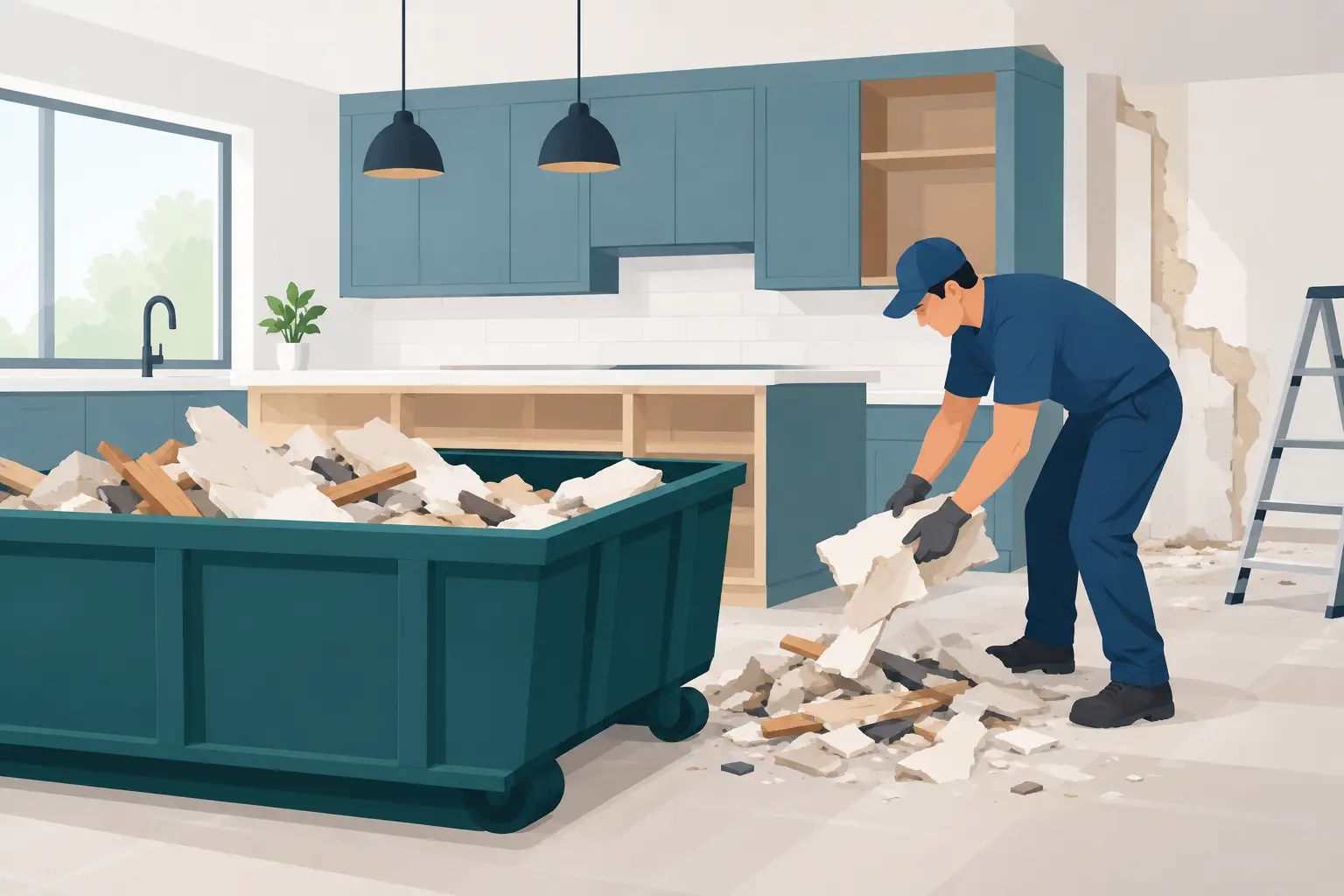
A kitchen remodel can make a home feel brand-new, but the mess starts long before the new cabinets or countertops arrive. Kitchen renovation debris builds up quickly: torn-out cabinets, old appliances, drywall, flooring, cardboard, wood scraps, and heavy countertop pieces can take over the garage, driveway, or work area in a matter of hours.
The goal is not to make every scrap disappear the second it comes loose. It is to keep the project safe, accessible, and moving forward without creating a second cleanup project for yourself. A little planning makes a major difference, especially when your kitchen is partially out of service and every clear path matters.
Start With a Clear Debris Plan
Before demolition begins, decide where material will go each day. Pick one collection area that stays out of the contractor's path, away from vehicles, and clear of walkways. For many homes, a section of the driveway works well. If space is tight, a protected spot in the garage may be a better fit, provided it does not block the door, electrical panel, or needed storage.
Avoid spreading debris between several rooms, the backyard, and the curb. That makes it harder to see what is recyclable, what is hazardous, and what still needs to be removed. It also creates more opportunities for nails, broken tile, and sharp metal to get tracked through the house.
If you are hiring a contractor, ask who is responsible for hauling away demolition material. Some crews include removal in their estimate; others leave debris hauling to the homeowner. Get that answer before work starts, not after old cabinets and a refrigerator are sitting in your driveway.
What Counts as Kitchen Renovation Debris?
Kitchen debris is more than a pile of lumber. Most projects produce a mix of bulky items, loose materials, packaging, and products that need special handling. Separating materials as you go can make removal safer and may keep usable items out of the landfill.
Common items include:
- Old cabinets, shelves, trim, doors, and hardware
- Countertop sections made of laminate, granite, quartz, or solid surface material
- Drywall, insulation, plaster, tile, mortar, and flooring
- Appliances such as refrigerators, ranges, dishwashers, microwaves, and range hoods
- Sinks, faucets, light fixtures, plumbing pieces, and scrap metal
- Cardboard boxes, plastic wrap, pallets, and packaging from new materials
Not every item belongs in the same pile. Clean cardboard can often be recycled. Metal fixtures and some appliances may have recycling value. Cabinets in solid condition may be suitable for donation or reuse, depending on local acceptance requirements and the time available. On the other hand, broken tile, wet drywall, and mixed construction waste generally need to be hauled away as debris.
Separate Items That Need Special Handling
The biggest mistake in kitchen cleanup is treating every item like ordinary trash. A few common kitchen materials require extra care for safety, environmental reasons, or local disposal rules.
Appliances and Refrigerators
Large appliances are awkward, heavy, and difficult to move without damaging floors, walls, or door frames. Refrigerators and freezers also contain components that need proper handling. Do not leave an old refrigerator on the curb with doors attached, and do not try to take it apart unless you know what you are doing.
Disconnect appliances safely before removal. Shut off water to refrigerators with ice makers and dishwashers, and make sure gas lines are handled by a qualified professional when removing a gas range. Once disconnected, appliance removal can be handled along with the rest of the renovation cleanup.
Paint, Adhesives, and Chemicals
Partially used paint cans, solvents, caulk, adhesives, cleaners, and other chemicals should not be tossed into a mixed debris pile. Leaking containers can contaminate recyclable material and create a messy, unsafe cleanup. Keep labels intact, store containers upright, and set these products aside for the appropriate local disposal option.
Old Flooring, Drywall, and Insulation
Older homes can bring added uncertainty. If you suspect older flooring, insulation, ceiling texture, or wall materials may contain asbestos or lead-based paint, stop before disturbing them further. Testing and professional guidance may be needed before demolition continues. This is one area where rushing to save time can create a much bigger problem.
Keep the Work Area Safe and Usable
Renovation debris creates trip hazards fast, particularly in a kitchen where family members may still be passing through to reach other rooms. Keep one route from the main living area to an exterior door as clear as possible. If the kitchen is your only route to laundry, a garage, or a back entrance, make that path part of the daily cleanup routine.
Bag smaller loose materials, such as broken tile and drywall pieces, in manageable loads. Overfilled bags are more likely to split and can be too heavy to lift safely. Keep nails, screws, blades, and sharp metal in a sturdy container rather than loose in a trash bag.
Cover nearby floors and protect door frames when moving cabinets, appliances, or countertop pieces through the home. A careful removal process takes a little more time upfront, but it can prevent gouges, chipped walls, and cleanup costs that were never part of the renovation budget.
Outdoor piles need attention too. Rain can turn drywall and cardboard into heavy, soggy waste. Wind can scatter insulation, plastic wrap, and small packaging across the yard. If removal is not happening the same day, cover materials that can blow away or absorb water, and keep the pile orderly.
Know When DIY Hauling Stops Making Sense
A few boxes and a small load of trim may fit in a personal vehicle. A full kitchen demolition is different. Cabinets are bulky, countertops can be extremely heavy, and loose construction debris can damage a truck bed or leave behind dust, nails, and broken material. Multiple dump runs also take time away from the renovation itself.
Professional junk removal makes sense when the pile includes heavy appliances, countertop sections, large cabinets, mixed debris, or materials you do not want to lift. It is also a practical choice for landlords, property managers, and contractors preparing a rental or renovation site on a deadline.
With Insta Junk Removal, you point out the kitchen debris and the crew handles the heavy lifting, loading, and cleanup. You receive upfront pricing before the work begins, so there are no hidden fees or uncertainty about what happens next. For homeowners across the Eastern Shore, that can mean getting the driveway, garage, or kitchen access back the same day instead of living around a growing pile.
Time Removal Around Your Project Schedule
There is a trade-off between removing debris immediately and waiting until the demolition phase is finished. Daily pickup keeps the property exceptionally clear, but it may not be necessary for a smaller remodel. Waiting until the end can be more efficient, yet a large pile can interfere with deliveries, parking, and contractor access.
For most kitchen projects, the best timing is after the major tear-out is complete and before new cabinets, flooring, or appliances arrive. That creates a clean workspace for installation and prevents old materials from being mixed with boxes, wrapping, and scraps from new products.
If your renovation happens in stages, schedule removal after each major phase. For example, remove old cabinets and appliances first, then clear out flooring and drywall debris after those tasks are finished. Breaking the job into logical pickups keeps the site under control without slowing down the work.
A Cleaner Site Makes the Renovation Easier
Kitchen renovations are disruptive enough without a debris pile becoming another thing to manage. Keep materials grouped, separate items that need special handling, protect clear walking paths, and arrange hauling before the mess reaches your limit.
When the old kitchen is out of the way, the new one has room to take shape. A clean, clutter-free work area helps everyone focus on the part of the project you actually want to see: a finished kitchen ready to use.
Need junk removed or something demolished?
Free, no-obligation estimates across the Eastern Shore.