Best Practices for Jobsite Cleanup That Work
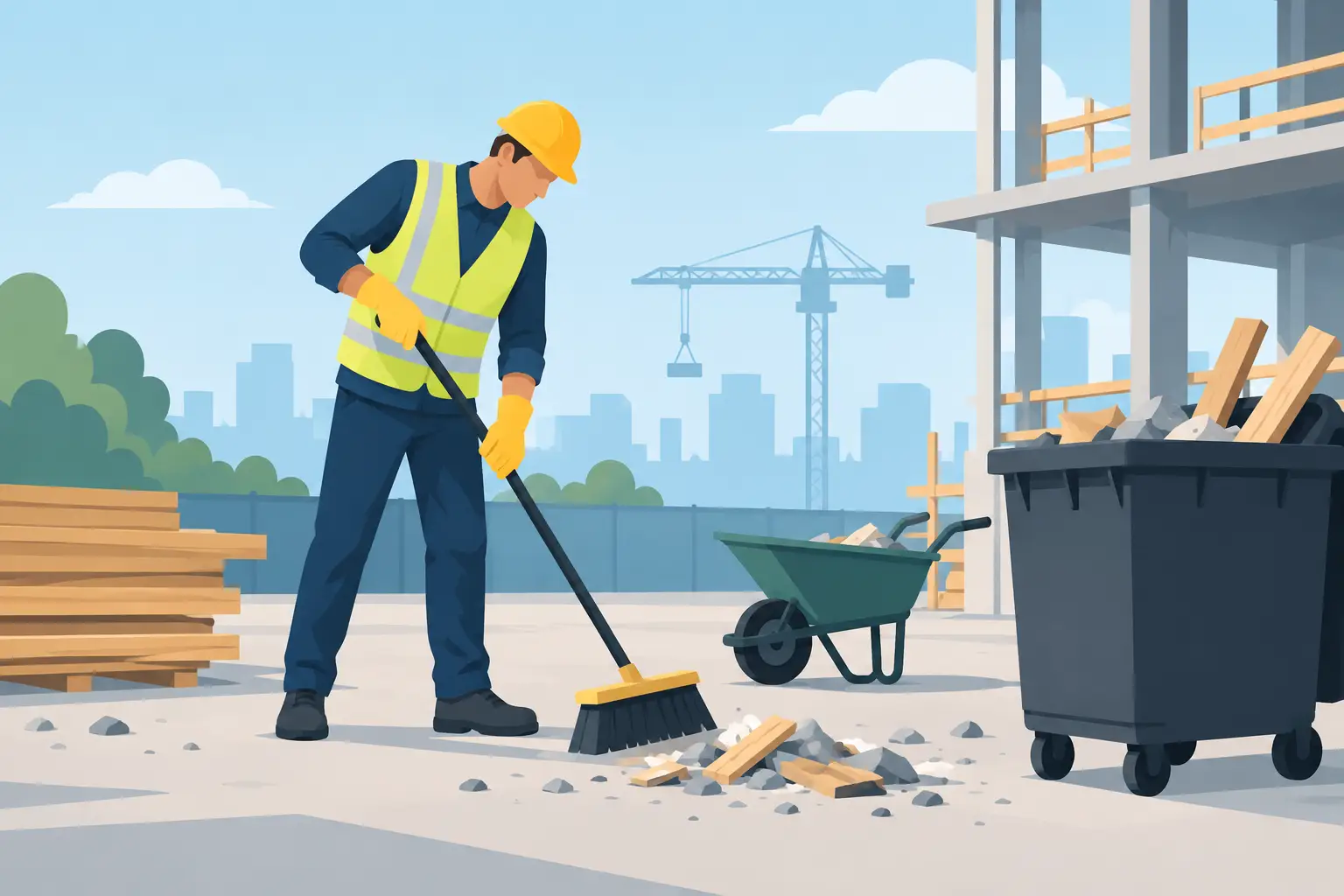
A cluttered jobsite is more than an eyesore. Loose drywall scraps, exposed nails, overflowing dumpsters, packaging, and abandoned pallets create trip hazards, slow down every trade, and leave a poor impression on customers. The best practices for jobsite cleanup keep work areas safer, protect the schedule, and make final turnover far less stressful.
For contractors, property managers, and owners handling renovations across the Eastern Shore, cleanup works best when it is part of the build plan, not a rushed task at the end. A clean site helps crews find materials, gives inspectors clearer access, and keeps debris from becoming a costly problem.
Best Practices for Jobsite Cleanup Start Before Work Begins
Cleanup should be discussed during site setup, alongside delivery access, material storage, safety procedures, and equipment placement. Decide where debris will go before the first wall is opened or the first demolition load hits the ground. Without a designated plan, waste tends to spread into walkways, parking areas, stairwells, and spaces other crews still need to use.
Choose a collection area that is easy for workers to reach but does not block entrances, emergency access, or deliveries. If the project has several active zones, one central dumpster may not be enough. Smaller rolling carts, bins, or debris stations can prevent workers from making piles wherever they happen to be standing.
It also helps to set basic expectations with every crew. Make it clear that each trade removes its own daily scraps, stores tools safely, and keeps cords, hoses, and materials out of travel paths. The foreman or project manager should own the overall standard, but a jobsite stays clean only when everyone participates.
Separate Debris Before It Becomes a Mixed Pile
Not every item belongs in the same container. Separating materials early makes disposal safer and may reduce hauling costs, especially on larger demolition, remodel, and turnover projects. Clean cardboard, scrap metal, untreated wood, concrete, appliances, and usable fixtures may have different handling options than general construction debris.
The trade-off is space and labor. A small bathroom remodel may only need one well-managed collection area, while a commercial interior demolition can justify separate containers for metal, wood, and mixed debris. Match the system to the project instead of creating a complicated sorting process nobody will follow.
Hazardous or regulated materials need special attention. Paint, solvents, batteries, fluorescent bulbs, propane tanks, asbestos-containing materials, and certain electronics should never be tossed into a general debris load without confirming the proper disposal route. When there is any doubt, stop and identify the material before it creates a safety issue or contaminates the load.
Clean as You Go, Not Just at the Finish Line
The fastest cleanup crew is often the crew that never lets debris get out of hand. Build short cleanup periods into the workday, particularly before breaks, before a new trade arrives, and at the end of each shift. Ten focused minutes can keep a manageable work area from becoming a full-day cleanup project later.
During demolition, remove debris in stages instead of waiting until every surface is covered. This gives workers better footing and makes it easier to spot nails, damaged cords, water leaks, and structural concerns. It also prevents waste from getting crushed together or buried beneath materials that need to be saved.
Dust deserves the same attention as visible debris. Drywall dust, sawdust, concrete dust, and insulation fibers can travel well beyond the immediate work zone. Use containment barriers when appropriate, cover HVAC openings, and rely on vacuums or wet-cleaning methods rather than simply pushing dust into corners. A leaf blower may seem quick outdoors, but it can send dust and small debris onto neighboring properties, vehicles, or finished surfaces.
Keep Access Routes Clear
Walkways, stairwells, loading paths, and exits should stay open throughout the project. These are the areas that people use most often, which means they are where a simple pile of debris can cause a fall, delay a delivery, or block an emergency response.
Keep cords secured and off the floor when possible. Stack materials neatly, protect sharp edges, and remove protruding nails from lumber before placing it in a scrap pile. If a path is temporarily blocked for a delivery or demolition phase, communicate it clearly and reopen it as soon as the work is complete.
Protect Finished Areas and the Surrounding Property
Cleanup is not only about removing waste. It is also about protecting what should remain. Cover floors, doorways, countertops, landscaping, and nearby vehicles before carrying debris through or past them. Use the right size path for removal so workers are not squeezing bulky furniture, cabinets, or broken materials through a narrow finished hallway.
For occupied homes, rental units, offices, and retail spaces, courtesy matters as much as speed. Keep common areas clean, avoid leaving debris bags overnight where tenants or customers pass, and schedule noisy or dusty work around the property’s needs when possible. A clean, respectful site reassures people that the project is under control.
Outdoor cleanup needs its own plan. Wind can spread insulation, plastic wrap, shingles, and paper across a yard or parking lot in minutes. Secure lightweight debris, check fence lines and drainage areas, and sweep the street-side work area before crews leave. On the Delmarva Peninsula, changing weather can turn an unsecured debris pile into a neighborhood problem quickly.
Use an End-of-Day Cleanup Checklist
A consistent closing routine helps prevent small issues from carrying over into the next morning. Before the site is locked up, the person in charge should confirm that:
- Debris is in the approved collection area or container.
- Walkways, exits, and stairs are clear.
- Tools, cords, ladders, and equipment are stored safely.
- Sharp materials, nails, and broken glass are contained.
- Dust barriers and protective coverings are still secure.
- Recyclable, reusable, and regulated items are separated from general waste.
This is not busywork. It reduces the chance of injuries during the first few minutes of the next shift, when workers are often carrying materials, answering questions, and trying to get started quickly.
Schedule Hauling Before the Site Is Overloaded
A dumpster is useful for many projects, but it is not always the most efficient answer. Tight driveways, limited parking, homeowner association rules, short-duration demolition jobs, and occupied properties can make a full dumpster impractical. In those cases, scheduled debris hauling can keep the site clear without leaving a container in place for days or weeks.
Do not wait until the pile blocks work. Schedule removal when debris reaches a manageable volume or before the next phase requires clear access. For example, clear out demolition waste before framing materials arrive, remove old appliances before flooring crews begin, and haul packaging away before a commercial space opens for inspection.
A professional removal crew can also handle the heavy lifting that often gets pushed to the end of a project: cabinets, carpet, drywall, lumber, old fixtures, broken playsets, office furniture, appliances, and mixed construction debris. Insta Junk Removal provides upfront pricing and convenient scheduling so contractors and property managers can clear the work area without pulling skilled workers off the job.
Make Final Cleanup a Separate Scope of Work
Final cleanup is different from daily housekeeping. It calls for detail: checking closets, crawl spaces, cabinets, outdoor edges, utility areas, and behind temporary barriers. It may include removing leftover materials, sweeping out hidden debris, collecting hardware, and making sure no tools or waste were left behind.
Set aside enough time and labor for this stage. A rushed final sweep can leave the customer with nails in the driveway, debris under a deck, or a storage area full of packaging. That kind of ending can overshadow weeks of solid work.
The cleanest jobsites are not necessarily the ones with the biggest dumpsters. They are the ones where cleanup is planned, handled daily, and completed with the same care given to the work itself. When the debris is gone and every access path is clear, the finished project gets the attention it deserves.
Need junk removed or something demolished?
Free, no-obligation estimates across the Eastern Shore.