A vacant cubicle is rarely just a cubicle. It may come with desks, rolling chairs, filing cabinets, monitors, broken bookcases, old carpet, and years of stored paperwork. An office furniture removal service takes that work off your team’s hands, so you can clear the space without renting a truck, finding extra labor, or wondering where everything should go.
Whether you are relocating, downsizing, renovating, replacing worn-out furniture, or turning an old office into usable space, the right removal crew keeps the project moving. You point to what needs to go. The crew does the lifting, loading, hauling, sorting, and responsible disposal.
When an Office Furniture Removal Service Makes Sense
Office furniture is awkward, heavy, and usually harder to move than it looks. A large conference table may need to be disassembled before it can leave the room. Filing cabinets are difficult to maneuver through tight hallways, especially when they are still full. Modular workstations can include panels, brackets, wiring channels, and built-in storage that take time and tools to remove correctly.
A professional crew is especially useful when your staff needs to stay focused on business. Asking employees to haul desks downstairs or load old chairs into personal vehicles can create safety issues, waste work hours, and leave the job half-finished. It also does not solve the disposal question. Many commercial items cannot simply be left at the curb.
Removal service is a practical fit for office moves, lease turnovers, business closures, tenant cleanouts, remodels, warehouse cleanups, and property management projects. It can also help when one department is being reorganized and old furniture is blocking storage rooms, break areas, or hallways.
What Can Be Removed From an Office?
Most office cleanouts involve more than desks and chairs. A full-service crew can remove individual pieces or clear an entire floor, suite, or building depending on the project.
Common items include desks, executive furniture, cubicles, conference tables, reception counters, office chairs, filing cabinets, shelving, bookcases, breakroom tables, and metal storage racks. Crews can also haul non-hazardous office contents such as printers, copiers, monitors, computers, phones, cables, boxed supplies, old décor, and unwanted equipment.
If your office is being remodeled, removal may also include carpet, cabinets, drywall, ceiling materials, and other construction debris after light interior demolition. The key is to describe the project clearly when requesting an estimate. A few chairs in a ground-floor office require a different plan than a full suite of cubicles on an upper floor with limited elevator access.
Items That Need Extra Planning
Some materials require special handling or cannot be accepted in a standard load. Paint, chemicals, fuels, certain batteries, medical waste, and other hazardous materials should be identified before the crew arrives. Sensitive records deserve attention as well. If filing cabinets contain client files, financial documents, or employee information, sort and securely shred what is no longer needed before removal.
Electronics may have separate recycling requirements. Ask about handling for computers, monitors, printers, and other e-waste so your business can make responsible choices without guessing.
How a Professional Removal Visit Works
The best office cleanouts are organized before the first item is carried out. That does not mean you need a complicated plan. It means agreeing on what stays, what goes, how the crew will access the space, and when the work can happen with minimal disruption.
A typical removal visit follows four straightforward steps:
- Show the crew the items to be removed. Walk through offices, storage rooms, break areas, and any exterior pickup locations. Point out furniture that stays, along with restricted areas and fragile surfaces.
- Receive an upfront price. Pricing is commonly based on the amount of truck space your items occupy, along with the labor and disposal needs of the job. You should know the price before the work begins, with no surprise fees added after loading.
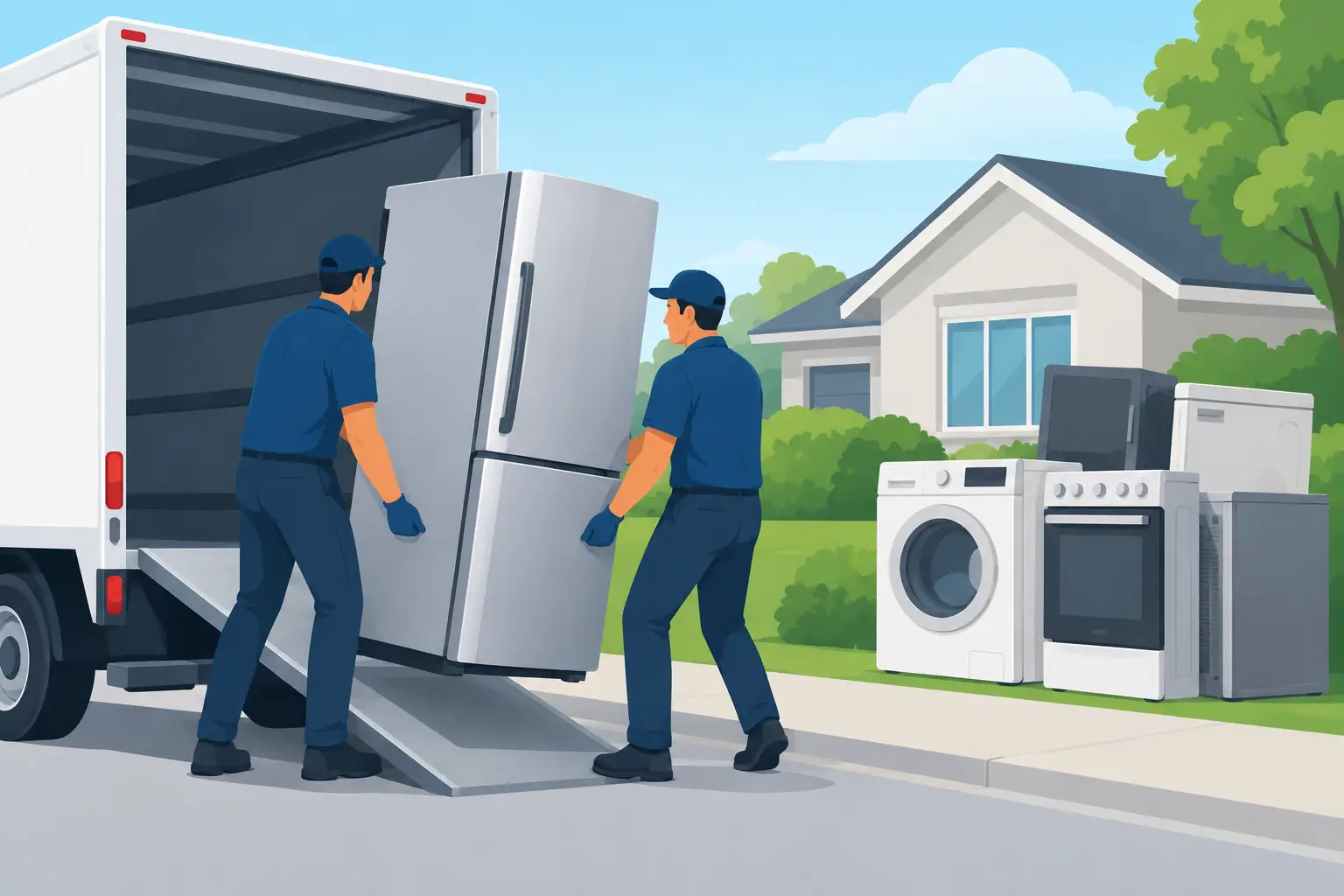
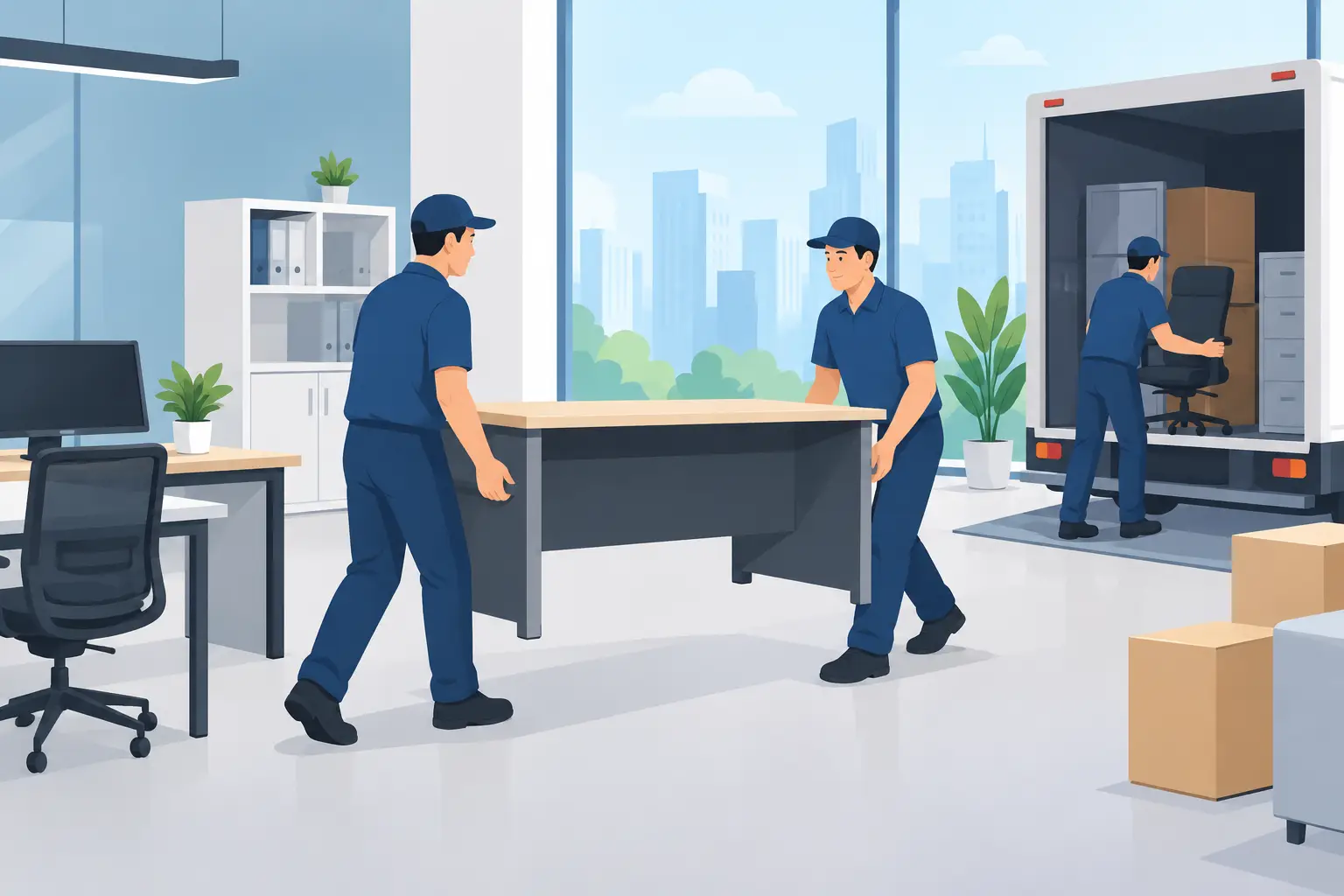
- Let the crew handle the heavy lifting. Uniformed professionals move furniture carefully, protect nearby walls and floors, load the truck, and keep the work area orderly. Your team does not have to lift a finger.
- The items are sorted for the best available destination. Usable furniture and materials may be donated when appropriate, recyclable items are separated where possible, and the remaining load is disposed of responsibly.
For businesses in Salisbury and across the Delmarva area, flexible scheduling can matter as much as hauling capacity. An early appointment, a weekend pickup, or same-day availability can help clear a space around customer traffic, employee schedules, contractor work, or a lease deadline.
Preparing Your Office for Furniture Removal
A little preparation makes removal faster, but you do not need to empty every drawer or disassemble every desk unless you prefer to. Start by labeling furniture that will remain in the office. A note, piece of painter’s tape, or a designated keep area can prevent confusion when similar desks and chairs are spread throughout the building.
Clear personal belongings, paperwork, cash drawers, keys, and devices from furniture slated for removal. Empty filing cabinets whenever possible. This reduces weight, protects confidential information, and makes cabinets safer to carry. If furniture must come apart to fit through doors or elevators, let the removal company know ahead of time so the crew can bring the right tools and allow enough time.
Access is another detail worth considering. Reserve a nearby loading area if your property allows it, alert building management when required, and share any elevator, stairwell, gate, or parking restrictions. These small steps keep a simple project simple.
Don’t Forget the Hidden Clutter
The furniture is often obvious. The hidden clutter is what delays a cleanout. Check supply closets, storage rooms, desk pedestals, server-adjacent areas, breakroom cabinets, and the space above shelving. Old binders, outdated marketing materials, damaged chairs, unused monitors, and broken small appliances can add up quickly.
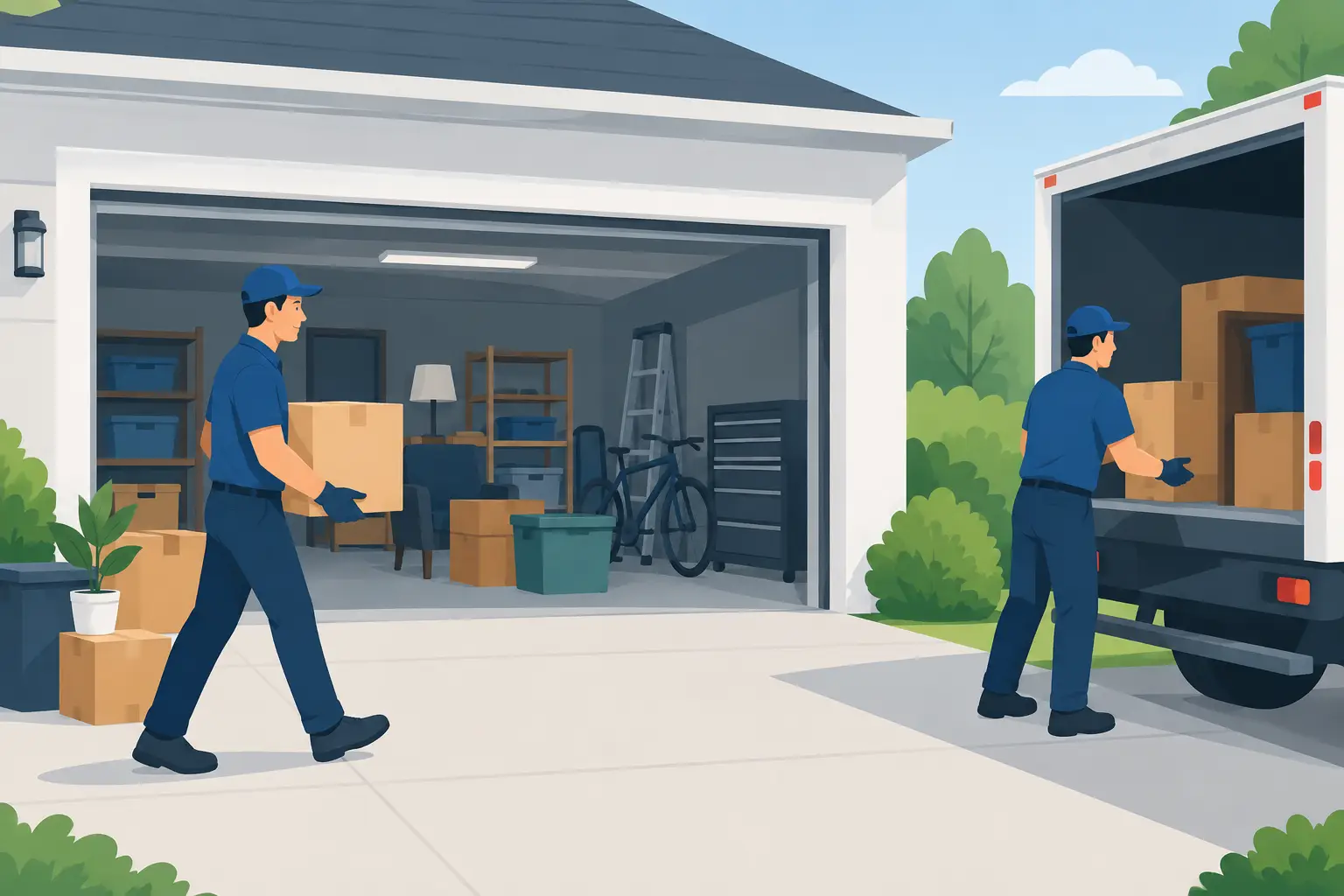
If you are clearing an office before a move, removing those extras at the same time can save your new location from becoming the next storage area. It is often easier to start fresh than to pay to transport items nobody wants.
Choosing the Right Removal Company
A low quote is not the only factor. Office removal is a labor job, a logistics job, and a customer-service job. Look for a company that can explain its pricing clearly, provide a realistic arrival window, and handle both a few large pieces and larger commercial cleanouts.
Insurance, professional conduct, and careful work practices matter. You want a crew that can move through occupied spaces respectfully, communicate before making decisions, and avoid leaving behind debris or damaged common areas. If your project includes furniture, electronics, debris, and general clutter, one company that can handle the full load is usually more efficient than coordinating separate pickups.
Responsible disposal should also be part of the conversation. Not every desk is suitable for donation, and not every item can be recycled. A dependable provider will be honest about those limits while making reasonable efforts to donate, recycle, and divert materials from disposal whenever possible.
Insta Junk Removal provides labor-inclusive commercial hauling, so business owners, property managers, and office administrators can focus on the next task instead of the loading process. From a few unwanted filing cabinets to a complete office cleanout, the goal is the same: leave you with clear space and a job handled with care.
Pricing Depends on More Than the Number of Desks
It is reasonable to want a price before booking, but office removal costs depend on the size and complexity of the load. Truck space is a straightforward starting point. A handful of chairs and a small desk may take only a portion of the truck, while cubicles, shelving, and conference furniture can fill much more space.
Access can affect the scope of work. Stairs, long carries, narrow hallways, disassembly needs, and limited loading zones may require additional time. That is not a reason to avoid professional removal. It is a reason to share details upfront and receive a clear estimate based on the real job.
If timing is flexible, scheduled pickup may be the best fit. If a lease ends tomorrow, a contractor needs the room cleared, or a new tenant is waiting, same-day service may be worth prioritizing. The right choice depends on your deadline, building rules, and how much disruption your business can accommodate.
A clean office creates room for what comes next, whether that is new furniture, a new tenant, a renovation, or simply a better way to use the space. Set aside what matters, point out what needs to go, and let a professional crew take care of the hard part.