
A garage packed with old furniture, a rental full of left-behind belongings, or a renovation pile of drywall can look like one big problem. Knowing how junk removal pricing works makes the next step much easier: you can get a clear estimate, decide what stays or goes, and let a professional crew handle the heavy work.
For most full-service junk removal jobs, pricing is based primarily on how much space your items take up in the truck. That approach is simple because it reflects the real scope of the job without asking you to sort, bag, lift, or make multiple trips to a landfill. The crew assesses the load on site, provides an upfront price, and starts only after you approve it.
How Junk Removal Pricing Works by Truck Space
Truck-space pricing means you pay for the portion of the truck your items occupy, rather than trying to guess an hourly rate or rent a dumpster that may be too large or too small. A few boxes and a broken chair use far less space than a basement cleanout with couches, mattresses, shelving, electronics, and storage totes.
The crew looks at the total volume of what needs to go. Loads are commonly described as a minimum pickup, a quarter truck, a half truck, three-quarters, or a full truck. This gives you a practical way to understand your estimate before work begins.
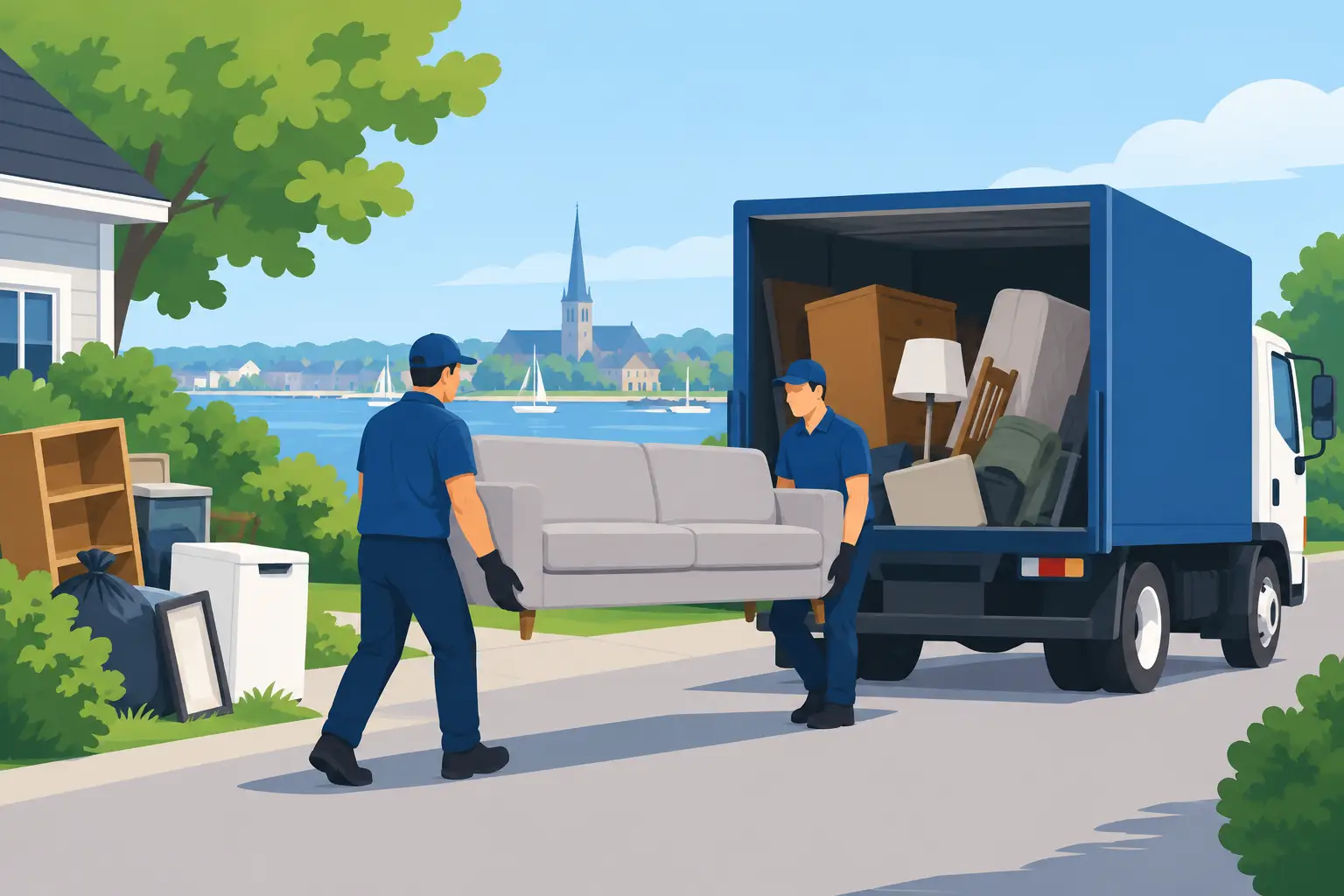
Volume-based pricing also accounts for the fact that junk removal is more than transportation. Your price generally includes the crew’s labor, loading, hauling, sorting, and disposal or recycling efforts. You do not need to drag a refrigerator to the curb, carry office furniture down a flight of stairs, or figure out where construction debris can be dropped off.
A truck-space estimate is especially helpful when the job is mixed. An estate cleanout, for example, may include bedroom furniture, clothing, kitchenware, books, old televisions, garage tools, and yard items. Rather than pricing every object separately, the team can assess the complete load and give you one clear number.
What Can Change Your Junk Removal Estimate?
Volume is the main factor, but the items themselves and the conditions of the job can affect the final price. A professional estimate should take the complete removal situation into account, not just the number of visible items.
The amount and type of material
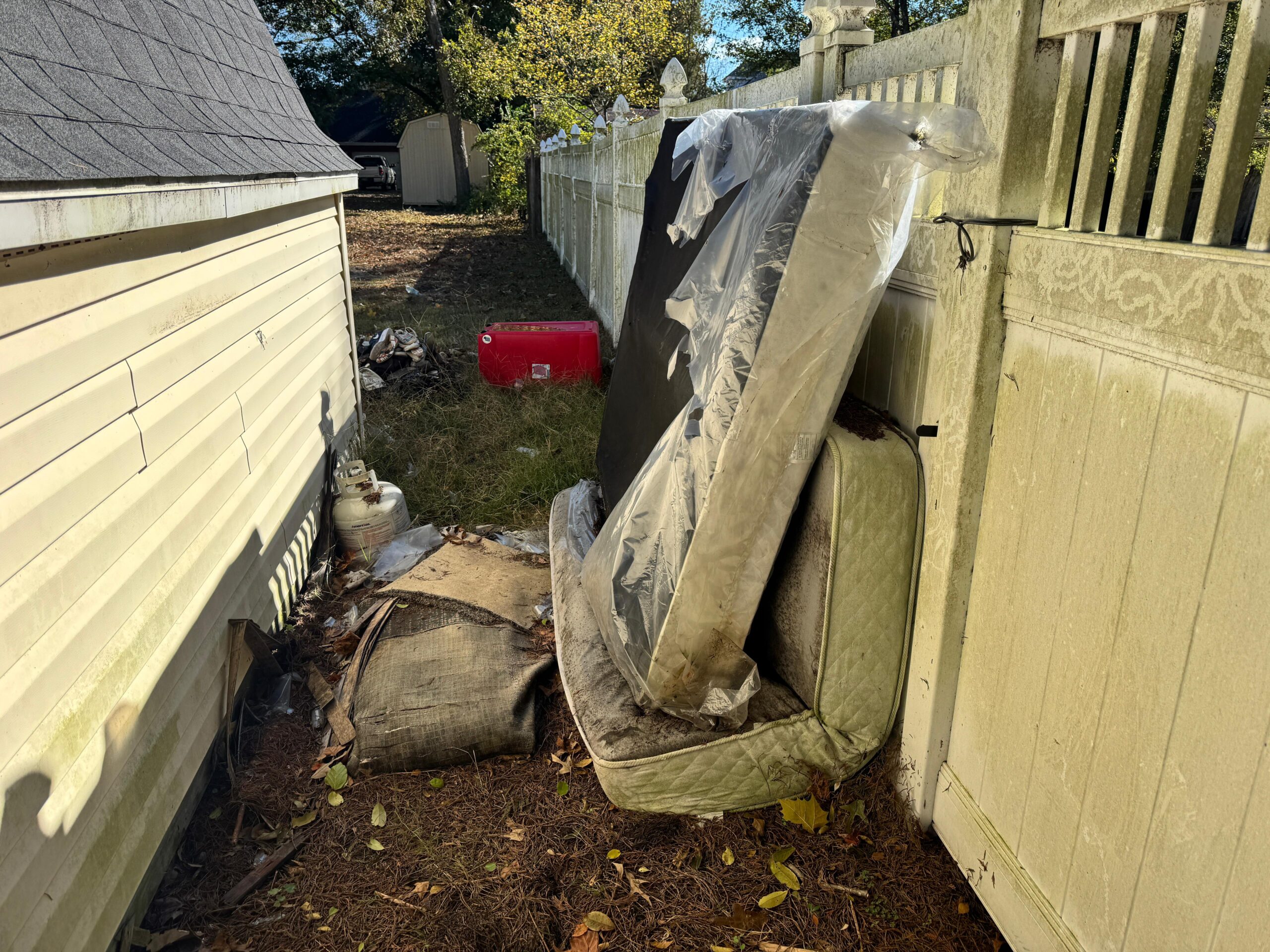
Bulky items take up truck space quickly. Sofas, sectionals, mattresses, dressers, appliances, exercise equipment, cabinets, carpet, and large piles of bagged debris can add up faster than many customers expect. On the other hand, a small pickup of boxes, a single appliance, or a few pieces of patio furniture may qualify for a minimum load.
Dense, heavy materials can also require different handling. Concrete, dirt, roofing materials, brick, tile, and certain construction debris may weigh far more than a comparable volume of household clutter. Disposal facilities often charge differently for these materials, so it is best to point them out when requesting an estimate.
Access and labor requirements
Full-service removal includes labor, but every property has different access conditions. A ground-level garage with a clear driveway is straightforward. A third-floor apartment with no elevator, a packed attic, a basement with narrow stairs, or a backyard item behind a fence can take more time and crew effort.
That does not mean difficult access should stop you from scheduling removal. It simply means the crew needs an accurate picture of the work. Mention stairs, long carries, gated areas, heavy items, and anything that may need to be taken apart. Clear details help prevent surprises and allow the right crew and equipment to arrive prepared.
Specialty items and required disposal methods
Some items need extra care because they cannot be handled like ordinary household junk. Refrigerators, freezers, air conditioners, electronics, televisions, tires, paint, chemicals, and other regulated materials may have special disposal requirements. Large outdoor items such as hot tubs, playsets, trampolines, sheds, and above-ground structures may also require disassembly before hauling.
A dependable junk removal company will explain whether an item has an added handling cost or cannot be accepted. This is one reason an on-site estimate is valuable. You receive pricing based on what is actually there, not a vague number that leaves important details out.
Demolition and teardown work
Removing a deck, bathroom vanity, kitchen cabinets, wall, shed, or chicken house is different from loading a pile of items. Light demolition involves labor, tools, safety planning, material separation, and hauling the debris afterward. The estimate reflects both the teardown work and the truck space used by the resulting materials.
For these projects, photos and a walkthrough can help establish the scope. If hidden damage, additional layers of flooring, or unexpected contents are found, the crew should discuss the change with you before moving forward.
What Your Full-Service Price Should Include
The lowest quote is not always the lowest overall cost. A bargain price can leave you with lifting, sorting, sweeping, landfill fees, or a pile placed at the curb. Full-service junk removal is designed to remove those extra jobs from your list.
A clear, professional price should cover the work needed to get your space back in order:
- Friendly crew members who do the lifting and loading
- Removal from wherever the items are located, when safely accessible
- Hauling in a properly sized truck
- Sorting for donation, recycling, or responsible disposal when possible
- Basic cleanup of the area after the items are removed
Before approving a job, ask whether labor, hauling, disposal fees, and applicable specialty-item charges are included. The answer should be direct. Honest pricing means you know what you are paying before the crew begins, not after the truck is loaded.
Why an On-Site Estimate Protects You
Online price ranges can be useful for planning, but they cannot account for every detail. Photos may not show how deep a garage pile is, whether a sofa must come down a narrow stairway, or how much construction material is mixed into a cleanup. An on-site assessment replaces assumptions with a firm, understandable quote.
At Insta Junk Removal, the crew can review the items with you, confirm the truck space needed, and explain the price before any lifting starts. If the quote does not fit your plan, you can decline. If you approve it, the crew can get to work right away, including same-day service when availability allows.
This process gives homeowners, landlords, contractors, and property managers control over the job. It is useful when a tenant has moved out, an estate needs to be cleared on a deadline, a listing needs to be photo-ready, or a renovation crew needs debris removed before the next phase begins.
Simple Ways to Get the Most Accurate Quote
You do not need to organize every closet before requesting junk removal. Still, a few quick preparations can make the estimate more accurate. Gather items that are definitely leaving in one area when possible, and keep items you want to save clearly separated. If something is located in an attic, crawl space, shed, or upper floor, mention it ahead of time.
For larger jobs, walk through each room before the crew arrives. It is easy to focus on the garage and forget the old mattress in the spare room, the filing cabinets in the office, or the broken playset outside. Showing everything at the beginning allows the crew to price the complete job instead of revising the scope halfway through.
You should also tell the crew about items that may need special handling. Refrigerants, electronics, paint cans, sharp debris, and unusually heavy materials are all worth identifying. The more accurate the information, the more confident you can be in the estimate.
The Value Is in the Work You Do Not Have to Do
Junk removal pricing is not just about the space inside a truck. It reflects the time, labor, equipment, hauling, and responsible disposal required to turn a crowded property into a clean, usable space. For a small curbside pickup, doing it yourself may make sense. For heavy furniture, renovation debris, a whole-property cleanout, or anything that would take several exhausting dump runs, full-service removal can be the easier choice.
When you are ready to clear the space, focus on what you want to keep. A clear upfront estimate and a crew that handles the rest can turn an overwhelming cleanup into a manageable afternoon.